Human sacrifice in ancient Egypt uncovered by modern forensic science
Almost four in 10 royal household members buried in an ancient Egyptian king’s tomb were probably killed by a deliberate blow to the head, according to a study of skulls excavated from the site a century ago. English Egyptologist Flinders Petrie, who has been referred to as the “father of Egyptian archaeology”, excavated graves at Abydos in Egypt in the 1920s. Due to the large number of burials…
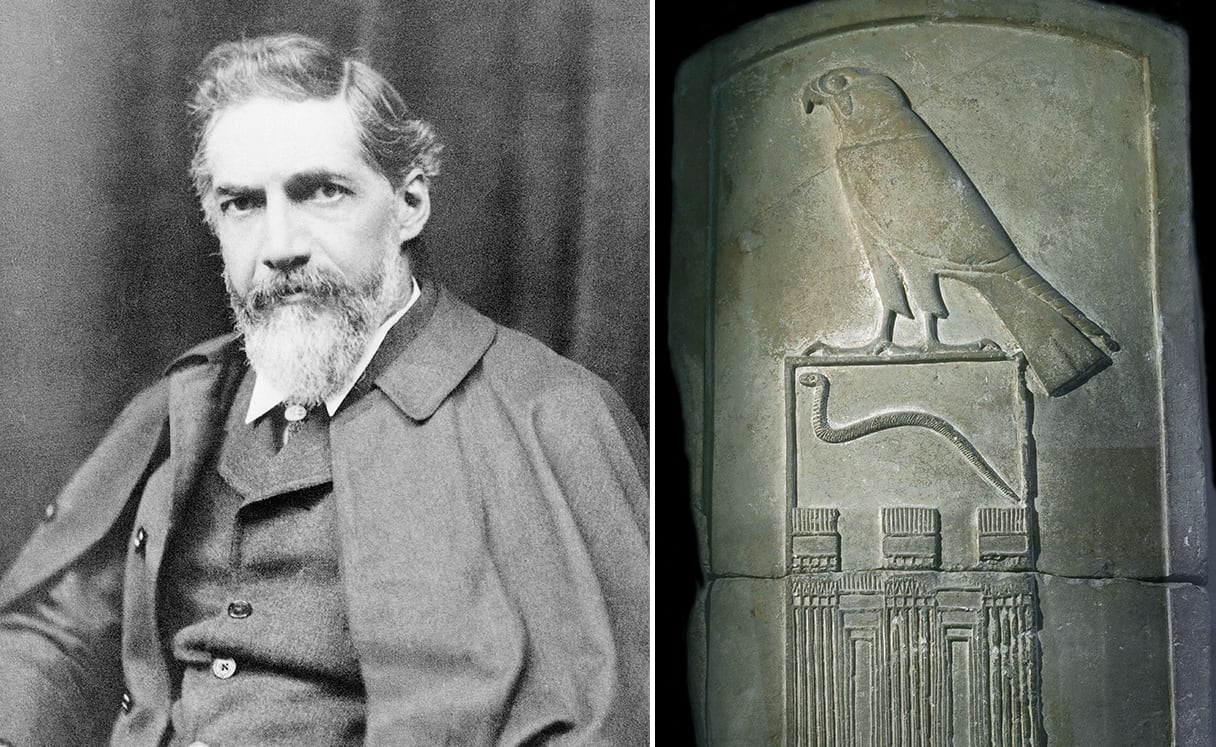
Decades ago, English Egyptologist Flinders Petrie excavated a series of graves at Abydos, Egypt, dating back to around 3000 BC. Petrie, often hailed as the "father of Egyptian archaeology", believed these burials had connections to human sacrifice, but could not definitively prove it due to the absence of fatal injuries on the skeletons.
A new study employing modern forensic techniques has revealed that nearly 39% of the skulls excavated by Petrie exhibited evidence of severe head trauma, suggesting they were victims of deliberate head injuries. Dr. Roselyn Campbell from Purdue University, who reexamined 46 of the 46 skulls previously sent to the UK, identified 18 skulls displaying significant cranial trauma, including linear fractures and sharp-force injuries.
These findings, detailed in the article "State-sanctioned Violence and Human Sacrifice in Early Dynastic Egypt" published in Frontiers in Environmental Archaeology, suggest that human sacrifice may have been a state-sanctioned practice during the Early Dynastic period in Egypt. Despite the evidence of violence, the exact circumstances surrounding these deaths remain uncertain.
Dr. Campbell posited that the injuries on the skulls could have been inflicted using a flat, wide weapon or through a fall. However, she noted that such injuries should have resulted in other visible skeletal damage, which were not apparent in Petrie's photographs or notes. The study sheds light on the retainer class – those who served the royal household – whose lives intertwined with the rulers' destinies.
These individuals, often relegated to the background in historical narratives, may have volunteered for or been compelled into human sacrifice, believing it would secure their place in the afterlife or demonstrate the ruler's power.
Written by urgent.news from The National Business's reporting — not their text. Machine-written — may contain errors; check the original before relying on it.
This story
This is one outlet's version. Read the fullest account.
- Human sacrifice in ancient Egypt uncovered by modern forensic science thenationalnews.com