Human sacrifice in ancient Egypt uncovered by modern forensic science
Almost four in 10 royal household members buried in an ancient Egyptian king’s tomb were probably killed by a deliberate blow to the head, according to a study of skulls excavated from the site a century ago. English Egyptologist Flinders Petrie, who has been referred to as the “father of Egyptian archaeology”, excavated graves at Abydos in Egypt in the 1920s. Due to the large number of burials…
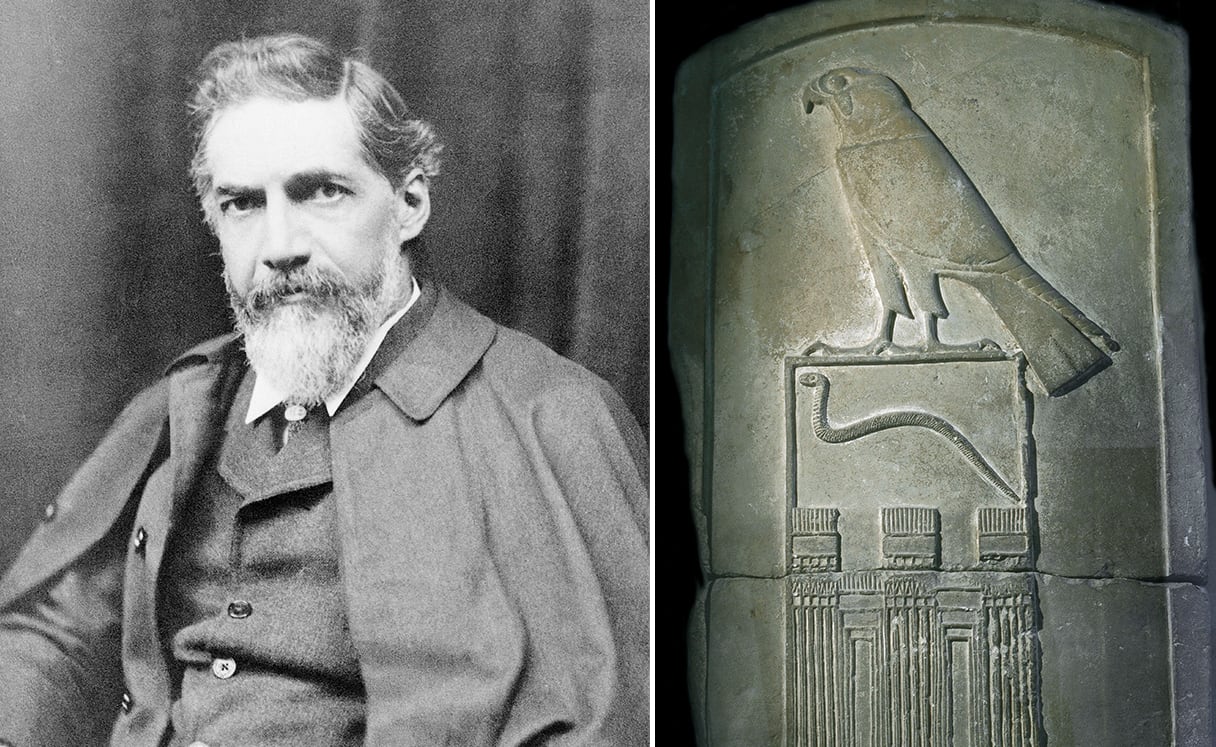
In an ancient Egyptian king's tomb, nearly four out of every ten members of the royal household were likely killed by a purposeful blow to the head, according to a recent study of skulls excavated from the site a century ago. The groundbreaking research was conducted by Dr. Roselyn Campbell of Purdue University, who utilized modern forensic methods to analyze 46 skulls previously studied by the famous Egyptologist Flinders Petrie in the 1920s.
Petrie, often hailed as the "father of Egyptian archaeology," excavated graves at Abydos in Egypt and initially suspected that members of the royal household had been sacrificed following the deaths of kings due to the high concentration of burials. However, he lacked evidence of fatal wounds on the skeletons, leading him to reburial most of the remains and keeping only the skulls.
Dr. Campbell's study revealed that 18 of the 46 skulls exhibited significant cranial trauma, including linear fractures that would have caused rapid unconsciousness, internal bleeding, and ultimately, death. Some of the skulls also displayed evidence of sharp-force trauma, such as a chopping injury to one individual's eye.
The burial complexes at Abydos were established around 3000 BC by the first kings of a unified Egypt, comprising royal tombs, chamber tombs for funerary rituals, and surrounding subsidiary enclosures. Dr. Campbell, who authored a forthcoming book on state-sanctioned violence and human sacrifice in Early Dynastic Egypt, believes that Petrie's suspicion of human sacrifice was justified due to the sheer number of subsidiary graves, some numbering in the hundreds.
While it remains impossible to pinpoint the exact circumstances, Dr. Campbell suggests that linear fractures are typically caused by a flat, wide weapon or a fall, which would likely have broken other bones. She also acknowledges the possibility of natural causes, as well as alternative methods of death that may not leave visible skeletal evidence, such as asphyxiation or other concealed means.
Written by urgent.news from The National UAE's reporting — not their text. Machine-written — may contain errors; check the original before relying on it.
Also reported by 1 other outlet
- Human sacrifice in ancient Egypt uncovered by modern forensic science thenationalnews.com