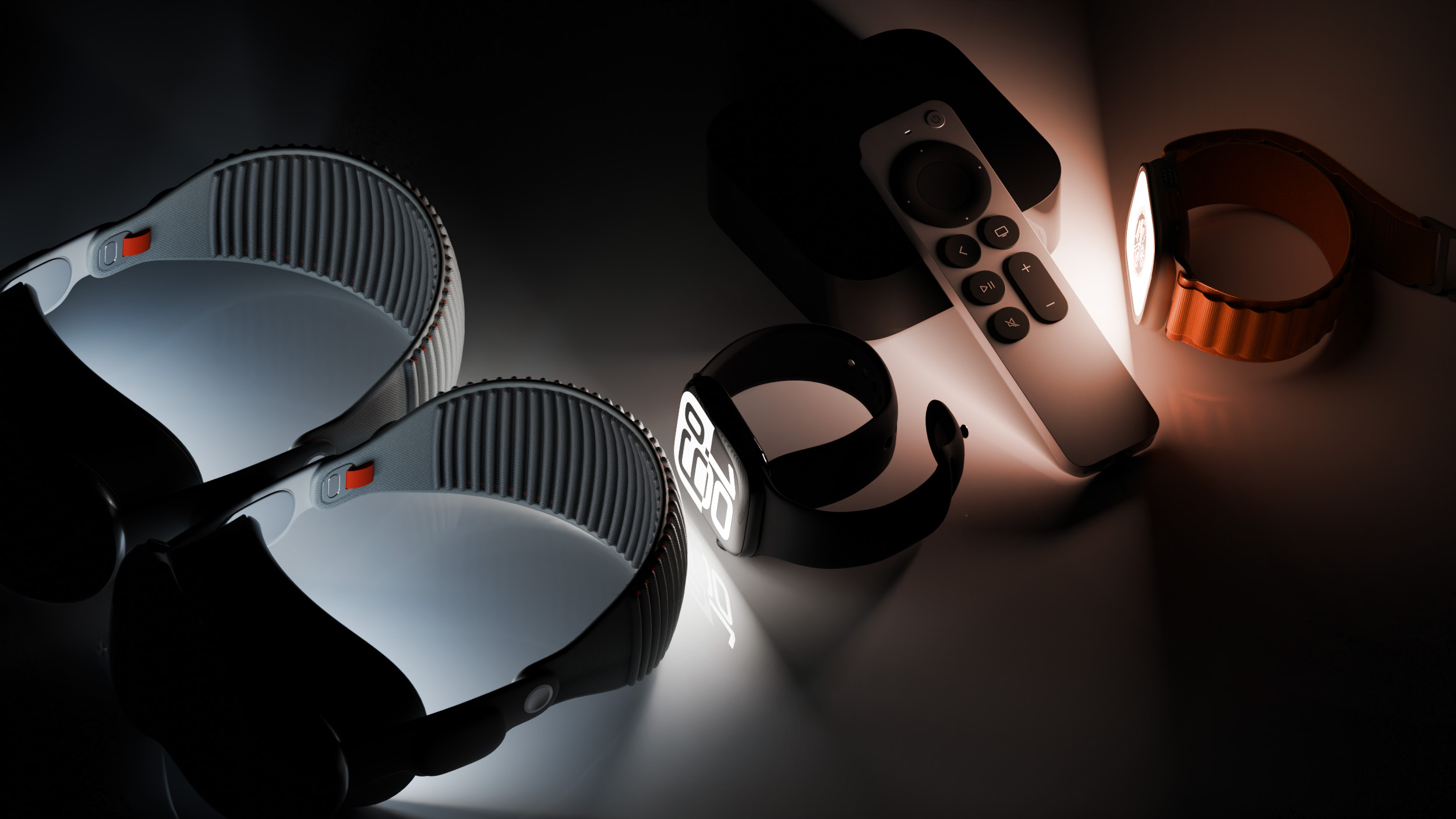
How Meta’s VR Glasses succeed where Apple’s Vision Pro fails
Apple’s Vision Pro was never going to be a big success right out of the gate. It wasn’t just the eye-watering $3,499 price—it was the headset’s reliance on highly advanced, low-yield OLED display panels from Sony, which could reportedly only be produced in quantities of under a million a year. There was never a scenario in which the Vision Pro could have turned into the next iPhone, or even the…
Apple's Vision Pro, priced at $3,499, faced a challenging launch due to its high cost and reliance on limited supply of Sony's OLED displays. While Apple acknowledged this, they hoped the platform would still gain traction. However, content for the headset was scarce, and its availability was not a major concern. The Vision Pro showcased a thoughtfully designed operating system, but its niche appeal was evident.
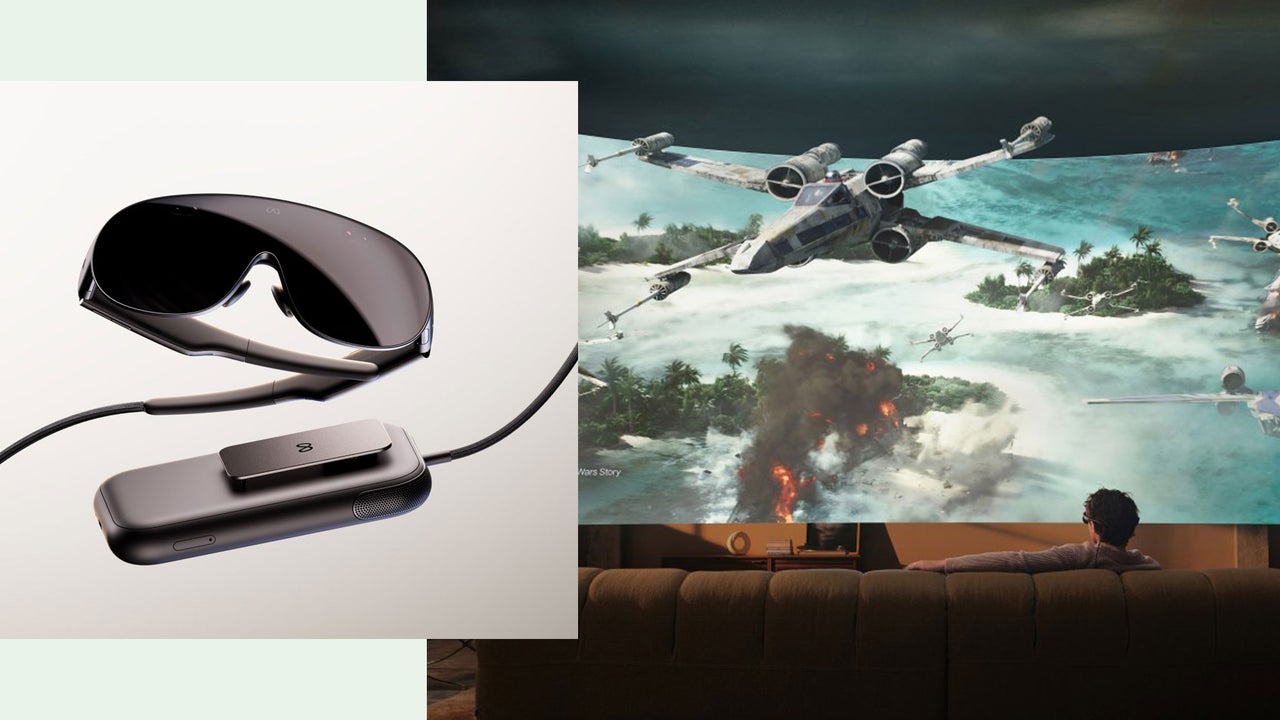
To overcome these limitations, Meta announced its VR Glasses, an alternative product that addresses three key issues: size, comfort, and cost. The Meta VR Glasses cost $1,299 and feature OLED panels, which are more affordable than the Vision Pro's dual 4K Sony displays. Meta's OLED panels are estimated at $228 each, resulting in a display bill of 35% of the total component cost.
While the VR Glasses have lower pixel density (11 million pixels) than the Vision Pro's 23 million, they offer a comparable sharpness with 37 pixels per degree. The field of view is smaller at 70 degrees horizontally, but this tradeoff comes with a lighter design (100 grams) and a more affordable price. The Meta VR Glasses also come with an optional accessory to block peripheral vision, enhancing immersion.
Compatible with Quest games and controllers, this product demonstrates Meta's focus on a more viable AR experience compared to the Vision Pro.
Written by urgent.news from Fast Company's reporting — not their text. Machine-written — may contain errors; check the original before relying on it.