Controlling the brain with light earns a physiology Nobel
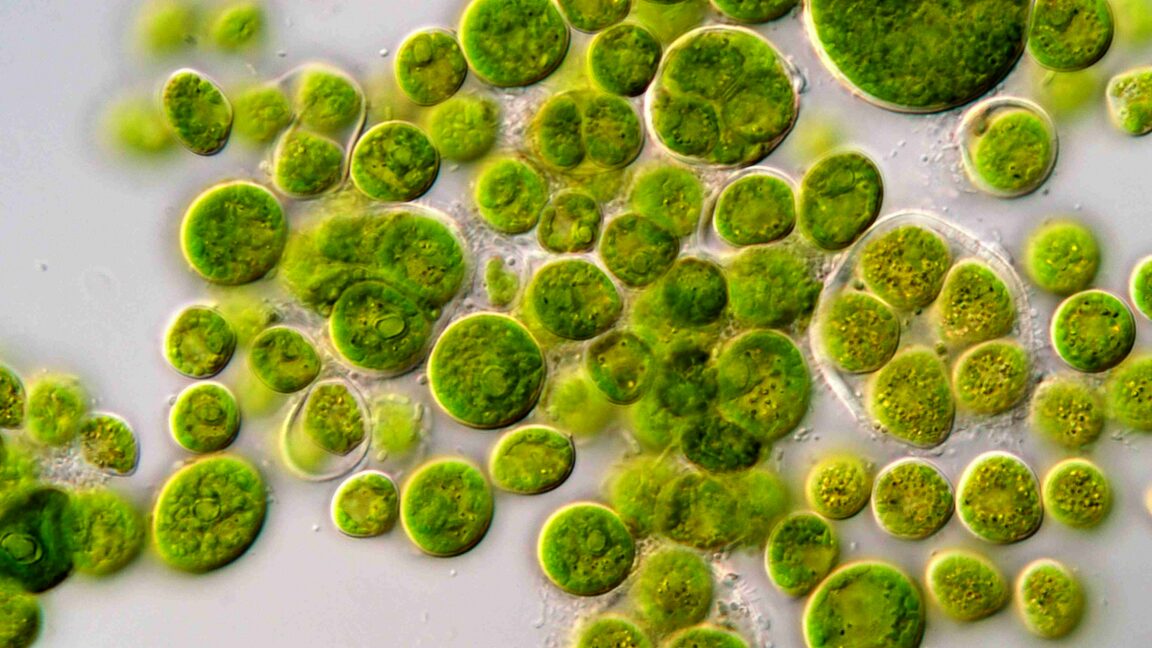
The entire field of optogenetics traces back to light-seeking algae.
Over decades of research, scientists have gradually constructed a partial understanding of the specialized cells within the brain and spinal cord. By examining the development of the brain, researchers identified genes that were active in various populations of neurons and the specific locations within the brain where those neurons were found.
In some instances, these genes could be utilized to genetically eliminate the neurons, providing insights into their potential functions. This method, however, has its limitations. The brain possesses adaptability, potentially enabling it to adjust to the absence of certain cells. Moreover, their loss during early development may impact the development of any neurons that were intended to form connections with them.
Therefore, it would be far more advantageous to activate and deactivate neurons in a fully functional brain. Today's Nobel Prize in Physiology or Medicine recognizes three individuals—Karl Deisseroth, Peter Hegemann, and Georg Nagel—for their development of this capability. Their work, along with that of numerous other researchers, has given rise to a new field of study known as optogenetics, which involves using light to manipulate the behavior of nerve cells influenced by specific genes.
Written by urgent.news from Ars Technica Science's reporting — not their text. Machine-written — may contain errors; check the original before relying on it.
This story
This is one outlet's version. Read the fullest account.
- Controlling the brain with light earns a physiology Nobel arstechnica.com