How the TikTok algorithm changed political campaigning in 2024
A new analysis of the 2024 U.S. presidential election reveals how TikTok’s design encourages candidates to use short, emotional, and performance-based videos. The study highlights how algorithmic platforms favor rapid entertainment and visual spectacle over detailed policy discussions.
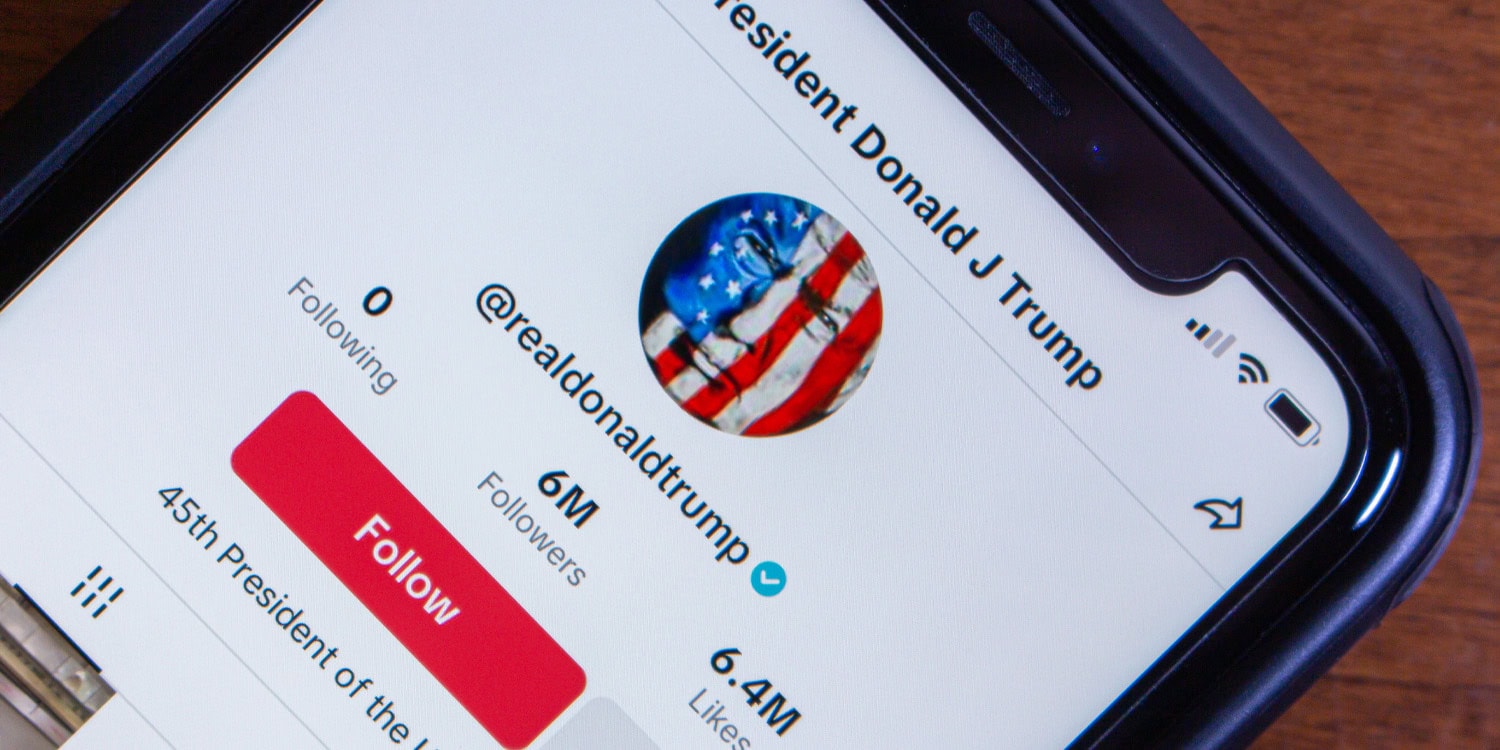
A 2024 study highlights how political candidates on TikTok achieve greater reach and interaction through short, emotionally charged, and performance-driven videos. The research, published in the Journal of Political Marketing, underscores how TikTok's algorithm prioritizes rapid engagement, favoring quick entertainment over traditional policy debates.
The findings were based on an analysis of 276 videos posted by the official accounts of Donald Trump and Kamala Harris during the 2024 U.S. presidential campaign, from their June 2024 account launches until after the November election. The study, conducted by researchers Jenny Bronstein and Tal Eitan from Bar-Ilan University, examined the structural design of TikTok, emphasizing how the platform's rules shape content to prioritize quick visual spectacle.
Trump's shorter, punchier videos averaged 18 seconds and garnered higher engagement per post, while Harris' longer, issue-focused videos averaged 37 seconds and produced steadier but lower interaction levels. Both campaigns relied heavily on visual spectacle, with over 80 percent of their videos featuring campaign stops, rallies, and energetic crowd scenes.
Trump's videos, dominated by his assertive broadcast-style speaking and economic themes, saw higher share counts, while Harris' direct-to-camera appeals, while less frequent, were instructional and focused on human rights and disaster recovery, showing moderate engagement. Both candidates included casual moments in about half of their videos, but these did not significantly boost engagement.
Humor and entertainment were highly effective for capturing attention, with less than 10 percent of the videos relying on jokes or memes. Trump's comedic posts correlated with higher engagement, whereas Harris used humor sparingly. The study also noted that while both candidates attacked each other, their formats differed; Harris often used split-screen rebuttals and specific critiques, while Trump relied on sarcasm and visual exaggeration.
Associating with celebrities and influencers was a significant strategy for Trump, who featured sports figures and podcasters to project a populist image, while Harris collaborated with musicians and actors for diversity. Overall, the research indicates that TikTok's algorithm and its emphasis on rapid engagement have fundamentally altered political campaigning, favoring concise, emotionally charged, and visually striking content over detailed policy discussions.
Written by urgent.news from PsyPost's reporting — not their text. Machine-written — may contain errors; check the original before relying on it.