Controlling the brain with light earns a physiology Nobel
The entire field of optogenetics traces back to light-seeking algae.
Science has gradually pieced together the roles of specialized brain cells over the years. By examining brain development, researchers identified genes active in different neuron groups and where these neurons were located in the brain. In certain instances, these genes could be utilized to genetically eliminate specific neurons, offering insights into their potential functions based on studies of brains with damaged areas.
However, this method has its constraints. The brain's adaptability might enable it to adjust to the absence of certain cells, and their early loss during development could influence the formation of connections with other neurons they would have normally formed. To gain a more comprehensive understanding, it is crucial to activate and deactivate neurons within a fully functional brain.
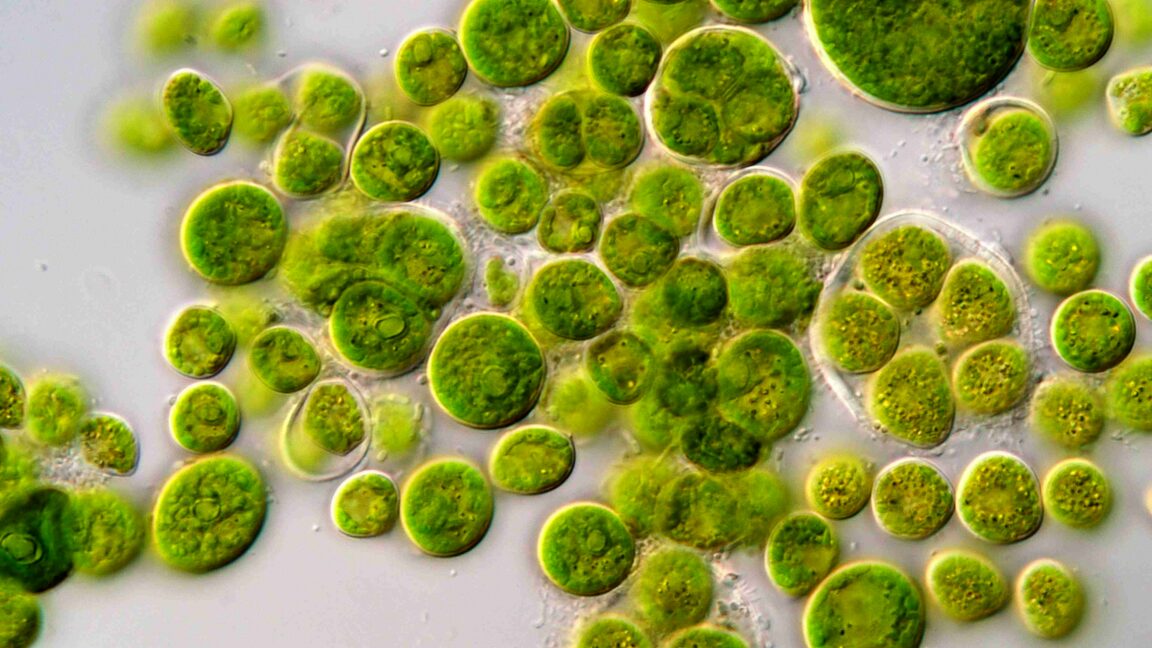
The Nobel Prize in Physiology or Medicine has been awarded to three individuals—Karl Deisseroth, Peter Hegemann, and Georg Nagel—for their work in this area. Their research, inspired by studies of single-celled algae that respond to light, has led to the development of optogenetics—an entire field of study that involves using light to manipulate the behavior of nerve cells with specific gene activities.
Written by urgent.news from Ars Technica's reporting — not their text. Machine-written — may contain errors; check the original before relying on it.
Also reported by 1 other outlet
- Controlling the brain with light earns a physiology Nobel arstechnica.com