Why the Moon Is a Legal Wild West
Private companies are taking cremated remains and stunt payloads to the moon. Former NASA attorney Steve Mirmina warns that there’s nothing stopping them.
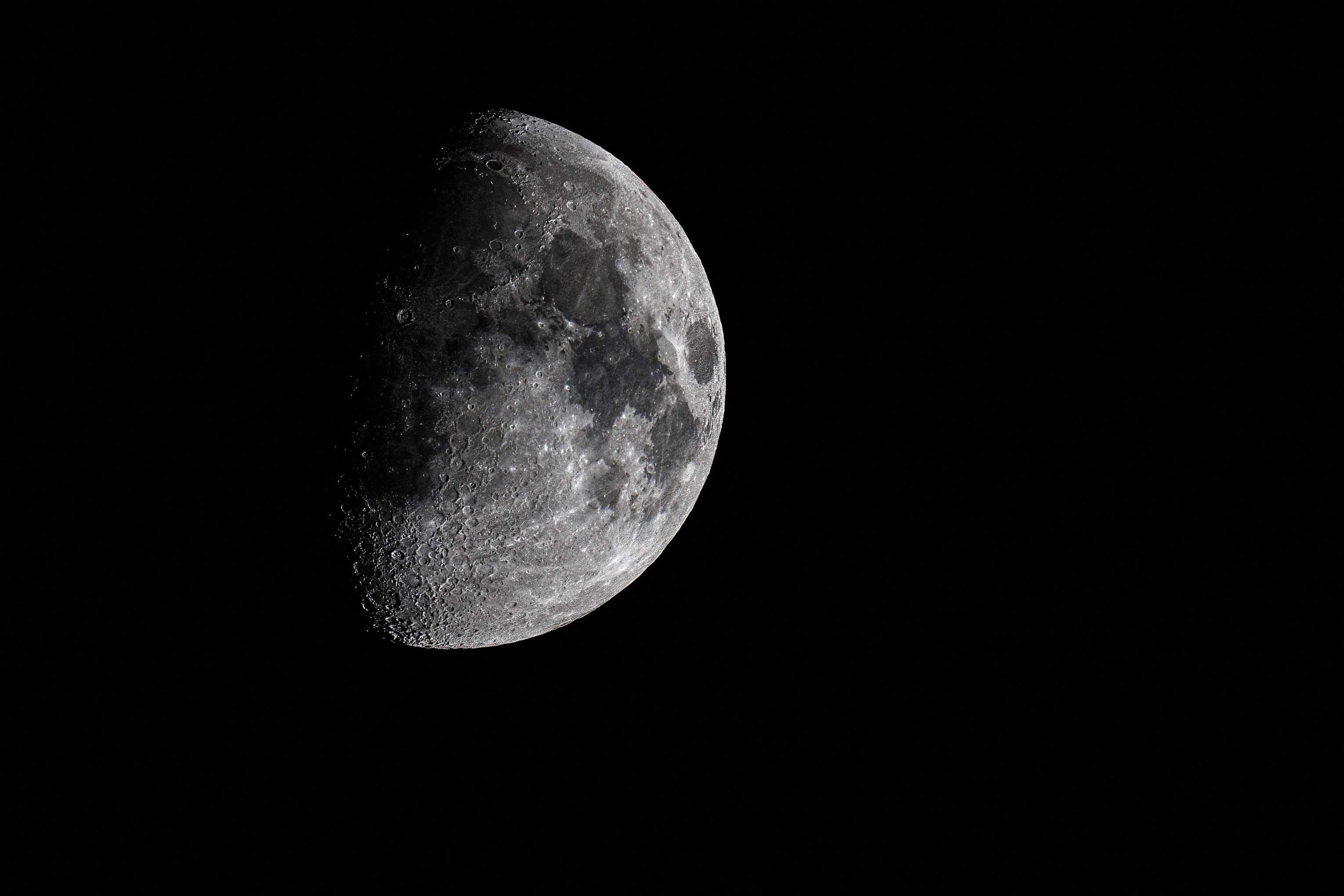
The moon is becoming a legal Wild West as commercial activity explodes on its surface. Celestis allows customers to send pet ashes to the moon for $3,495, while a Japanese beverage company sent up energy drinks in 2014 and artist Jeff Koons sent mini-sculptures in 2024, each corresponding to an NFT. One man raised $227,000 to place a giant cross on the moon.
To date, nearly 500,000 pounds of stuff, mostly government-sent lunar landers and spacecraft, have been left on the moon. This is technically legal due to the lack of regulations governing what can be sent to the lunar surface, according to Steve Mirmina, a professor of space law at Georgetown University. The Outer Space Treaty of 1967 and the 2020 Artemis Accords set international norms for space sustainability, but none of these laws sufficiently regulate commercial lunar activity.
The Federal Aviation Administration governs rocket launches, and NASA partners with American companies through the Commercial Lunar Payload Services program. However, Congress hasn't given any agency the authority to regulate private companies' payloads. Navajo Nation President Buu Nygren has expressed concern that the moon holds a sacred position in many Indigenous cultures and that depositing human remains and other materials on it is tantamount to desecration.
The moon's thin atmosphere means that once items are placed on its surface, they stay forever, becoming projectiles for future missions. While most of this activity is seen as annoying rather than reprehensible, Mirmina worries about the lack of legal safeguards to prevent truly awful conduct on the moon. Despite some bipartisan support for NASA, only a few preserve the moon for future explorers and prevent it from becoming Earth's junk drawer.
Written by urgent.news from CNET's reporting — not their text. Machine-written — may contain errors; check the original before relying on it.