Giant 2.7-Meter Predator Identified From Fossil Abandoned in Arctic for Decades
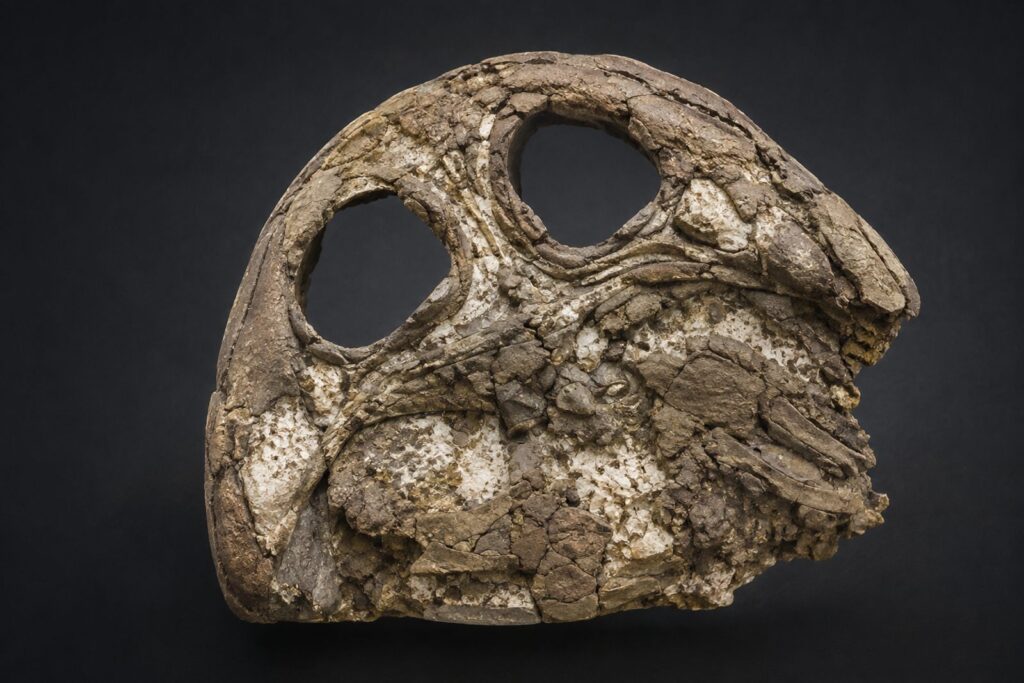
A fossil left on a remote Arctic island in 1948 has revealed Arctobatrachus urdensis, a previously unknown Triassic predator. Researchers estimate that it reached about 2.7 meters (8.9 feet), making it the largest known plagiosaurid. The findings were published in Papers in Palaeontology, a peer-reviewed journal focused on paleontology and the study of ancient life. […]
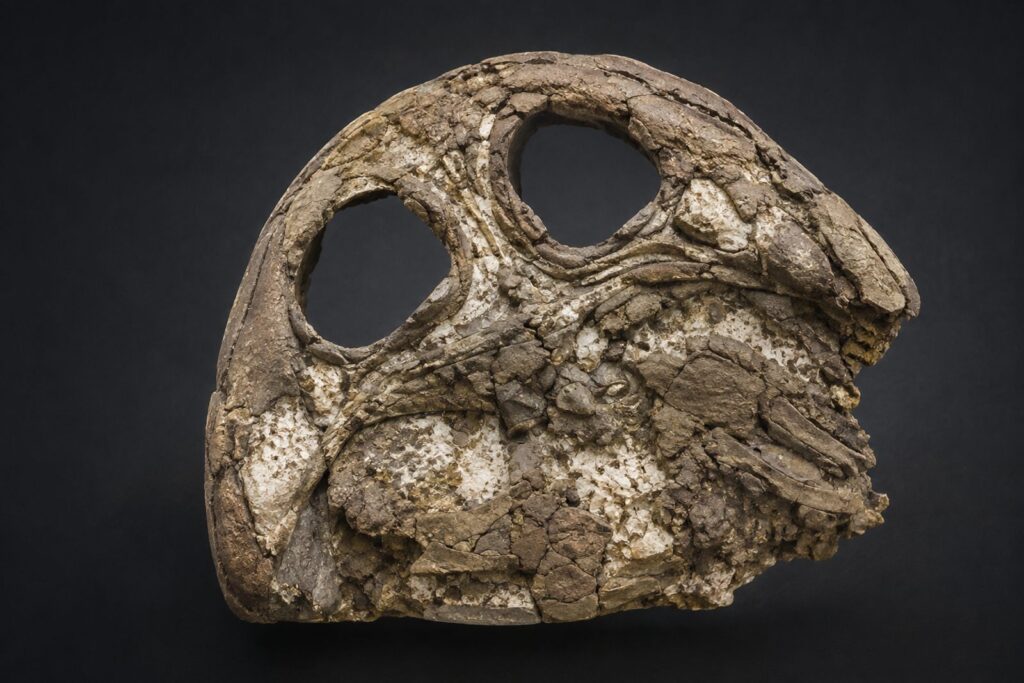
A previously unknown Triassic predator, Arctobatrachus urdensis, has been identified from a fossil left on Bear Island (Bjørnøya) in the Arctic for decades. This large predator, measuring about 2.7 meters (8.9 feet) in length, is now the largest known plagiosaurid. The remains were discovered on the remote island in 1948 by a British expedition but could not be removed due to its size.
Researchers documented the specimen through photos and collected some bones, leaving the rest exposed to Arctic weather. Decades of weathering damaged the exposed material, but the 1948 photographs proved crucial in reconstructing the animal's skeleton. Paleontologists from the State Museum of Natural History Stuttgart studied the surviving bones and photographs, identifying unique characteristics that set A. urdensis apart from other plagiosaurids.
The genus name combines "bear" and "amphibian," while the species name, urdensis, honors the mountain peak where the fossil was found. A. urdensis belonged to the plagiosaurids, an extinct group of aquatic temnospondyls that lived during the Triassic period. This new species provides insights into the ancestral body plan of plagiosaurids and their evolution, as well as the diverse aquatic environments of the Triassic period.
Written by urgent.news from Colombia One's reporting — not their text. Machine-written — may contain errors; check the original before relying on it.