Space travel can be hard on the gut
New research suggests microgravity slows digestion and changes how gut bacteria process food, offering clues to a common problem among astronauts.
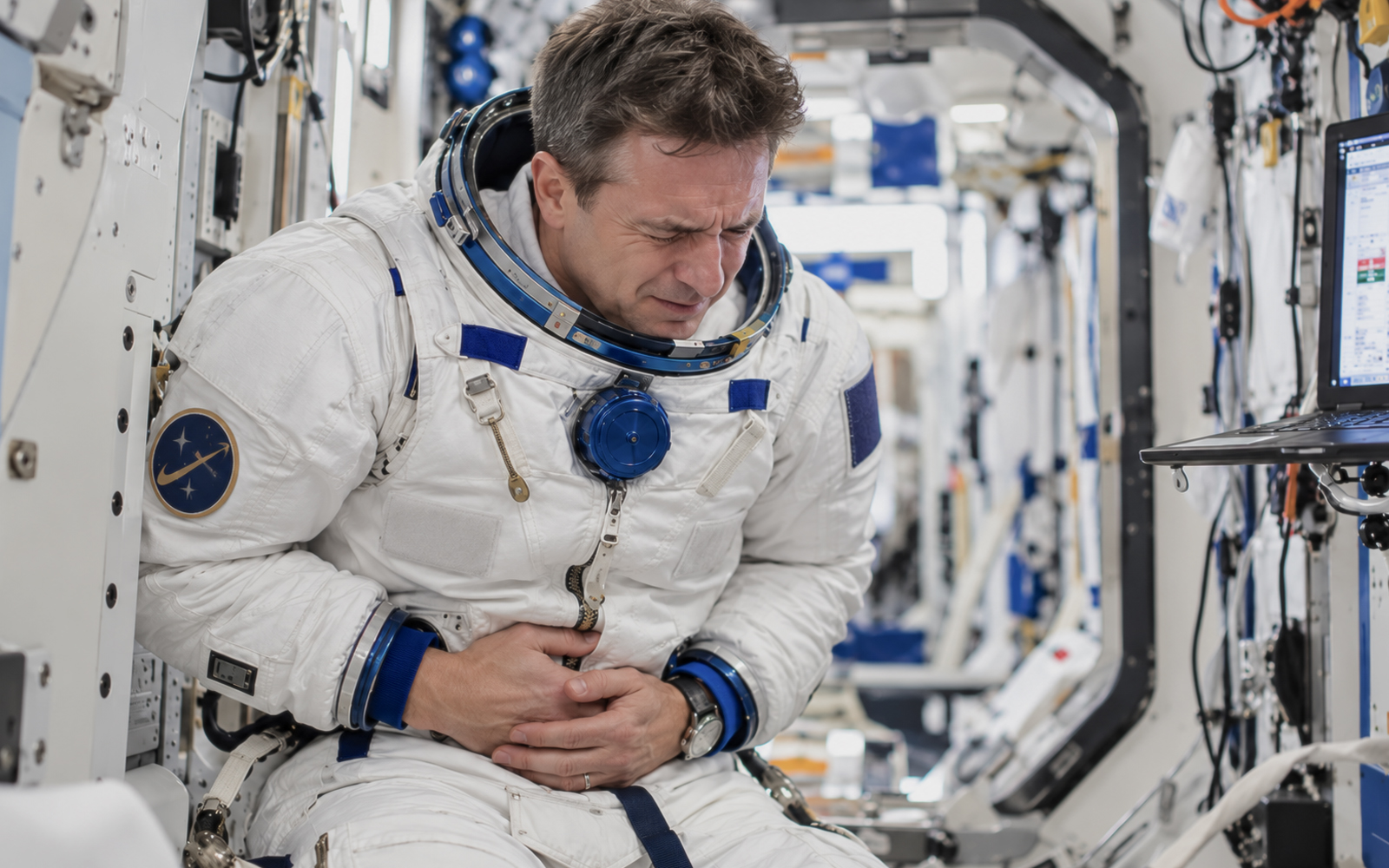
Space travel can wreak havoc on the human digestive system, with microgravity playing a role in the discomfort. While the challenges of space travel often include radiation exposure, muscle loss, and the effects of living without gravity, constipation is another lesser-known issue faced by astronauts. Researchers from the University of Copenhagen have found evidence that gut bacteria undergo changes in behavior once the body enters microgravity, potentially leading to increased protein fermentation.
This fermentation occurs when gut bacteria switch from breaking down dietary fiber to processing protein, a process that happens on Earth when fiber reserves are depleted. The researchers suspect that microgravity may slow down the movement of food through the intestines, allowing bacteria more time to ferment protein. This shift could contribute to constipation, as the slowed peristalsis - coordinated muscular contractions moving food and waste through the digestive tract - can impact overall digestion.
By analyzing blood samples from 52 astronauts aboard the International Space Station, the team identified metabolites - small molecules in the blood that reveal processes happening throughout the body - that suggest changes in gut bacteria activity. Some of these fermentation products can enter the bloodstream, potentially affecting the gut-brain axis and leading to broader health consequences.
While constipation may be a minor inconvenience for astronauts on short missions, prolonged changes in gut function during extended trips to the Moon or Mars could pose a more significant health concern. Possible countermeasures to mitigate these issues may involve increasing dietary fiber, utilizing prebiotics, or finding other ways to encourage normal intestinal movement.
The findings could also benefit terrestrial patients with constipation, as understanding the impact of microgravity on gut bacteria may lead to new strategies for managing digestive issues on Earth.
Written by urgent.news from Free Malaysia Today's reporting — not their text. Machine-written — may contain errors; check the original before relying on it.
This story
This is one outlet's version. Read the fullest account.
- Space travel can be hard on the gut freemalaysiatoday.com