Space travel can be hard on the gut
New research suggests microgravity slows digestion and changes how gut bacteria process food, offering clues to a common problem among astronauts.
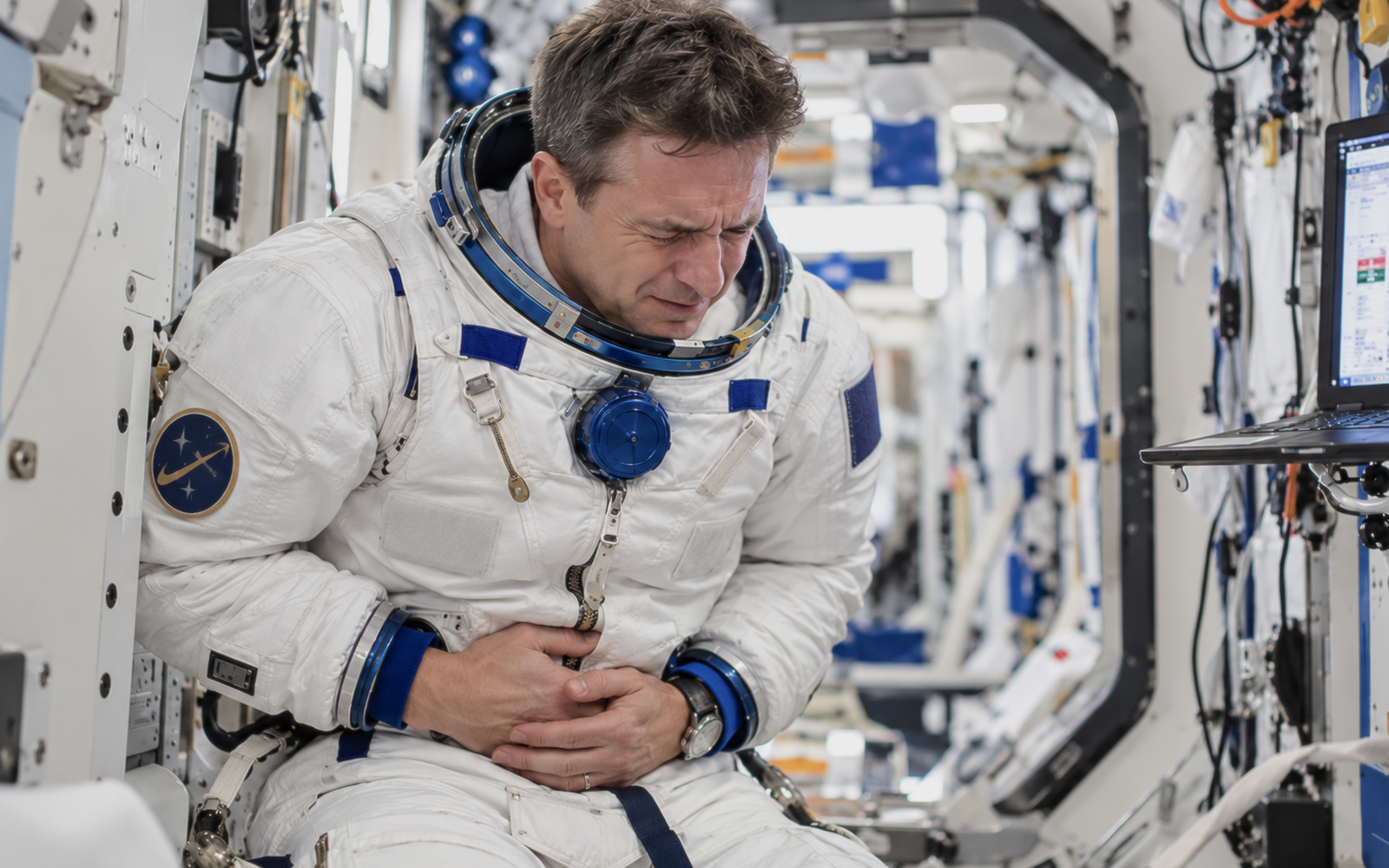
Space exploration presents a host of challenges beyond the well-known ones such as radiation exposure and muscle loss. One less conspicuous issue that affects astronauts is constipation, which scientists have long observed. A new study from Copenhagen, in collaboration with NASA, suggests that microgravity might be a contributing factor to this digestive disturbance.
By analyzing blood samples from 52 astronauts who spent months on the International Space Station (ISS), researchers discovered that the astronauts' gut bacteria started to ferment protein at a higher rate than usual within weeks of their arrival in space, according to Giorgia La Barbera, an associate professor at the University of Copenhagen.
This protein fermentation, which also occurs on Earth when gut bacteria have exhausted dietary fiber, is not exclusive to astronauts. Senior author Henrik Roager hypothesizes that the slowed movement of food through the intestines in microgravity could be the root cause, enabling bacteria to shift towards protein fermentation more readily.
The intestines typically move food and waste along the digestive tract through coordinated muscle contractions known as peristalsis. If this process slows down, as it does in microgravity, digestion can be disrupted in ways beyond mere discomfort. By examining metabolites in the blood, which can provide insights into processes happening throughout the body, including the gut, the team found that some compounds produced during protein fermentation could enter the bloodstream.
These compounds have been linked to negative health effects, such as kidney damage and potential changes in mood or concentration. This finding raises questions about the gut-brain axis, the bidirectional communication system linking the digestive tract and the brain, and whether altered gut activity in space could have wider implications.
While constipation may be an inconvenience for astronauts on shorter missions aboard the ISS, it could pose a more significant health concern during longer journeys to the Moon or Mars. Researchers propose potential countermeasures, such as increasing dietary fiber intake, using prebiotics, or finding other methods to promote normal intestinal movement.
The goal would be to shorten the time food remains in the gut, thus reducing excessive protein fermentation and maintaining a healthier digestive environment. The study's findings may also be applicable to Earth-based constipation sufferers, particularly bedridden patients, as this knowledge could help address their digestive issues.
This research adds to the growing body of evidence that the human body is intricately adapted to life on Earth, and even seemingly mundane functions like moving food through the intestines can be significantly impacted by changes in gravity.
Written by urgent.news from Free Malaysia Today's reporting — not their text. Machine-written — may contain errors; check the original before relying on it.
Also reported by 1 other outlet
- Space travel can be hard on the gut freemalaysiatoday.com