Even a blink could mean something to your dog
The seemingly automatic reflex may have a social dimension, with canines responding more strongly to the faces they know and love.
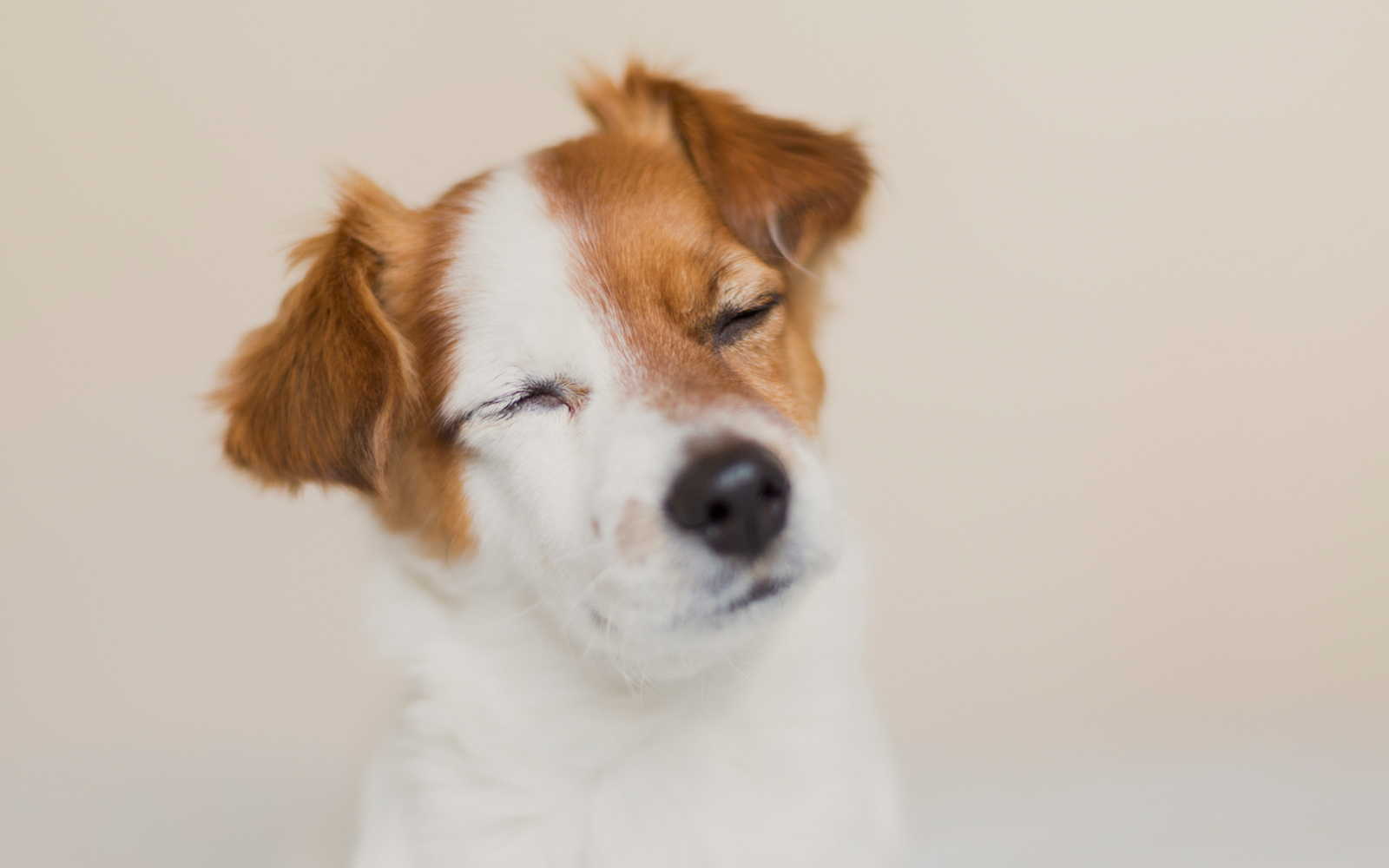
A recent study conducted at the University of Parma in Italy has revealed that dogs may be more attuned to human blink patterns than previously thought. Researchers observed that dogs blinked more frequently while watching videos where their owners blinked compared to when the individuals simply stared. This subtle observation suggests that dogs might be responding to social cues beyond just visual stimuli.
The test involved 35 dogs of various breeds, each watching videos of their owners, unfamiliar men, and unfamiliar women. The results showed that dogs blinked significantly more during the videos featuring their owners blinking, especially when the person on screen was their own owner. While more research is needed to fully understand the implications of this finding, it offers a new perspective on the complex communication between dogs and humans.
Researchers noted that the dogs' increased blinking may reflect heightened attention, automatic mimicry, or broader social responses to familiar individuals. The study also revealed that dogs did not blink in sync with the blink patterns of unfamiliar people, implying that their response could be influenced by the social importance of the person they are observing.
This finding adds to the growing body of research that suggests dogs are highly sensitive to human social signals and may interpret them in nuanced ways.
Written by urgent.news from Free Malaysia Today's reporting — not their text. Machine-written — may contain errors; check the original before relying on it.
This story
This is one outlet's version. Read the fullest account.
- Even a blink could mean something to your dog freemalaysiatoday.com