T.N. recording around 200 dengue cases a day, numbers remain steady: DPH
The Director of Public Health and Preventive Medicine says the caseload remains steady and is not of outbreak proportions; cases are being reported across cities including the Chennai belt (Tiruvallur and Kancheepuram), Coimbatore, and Madurai
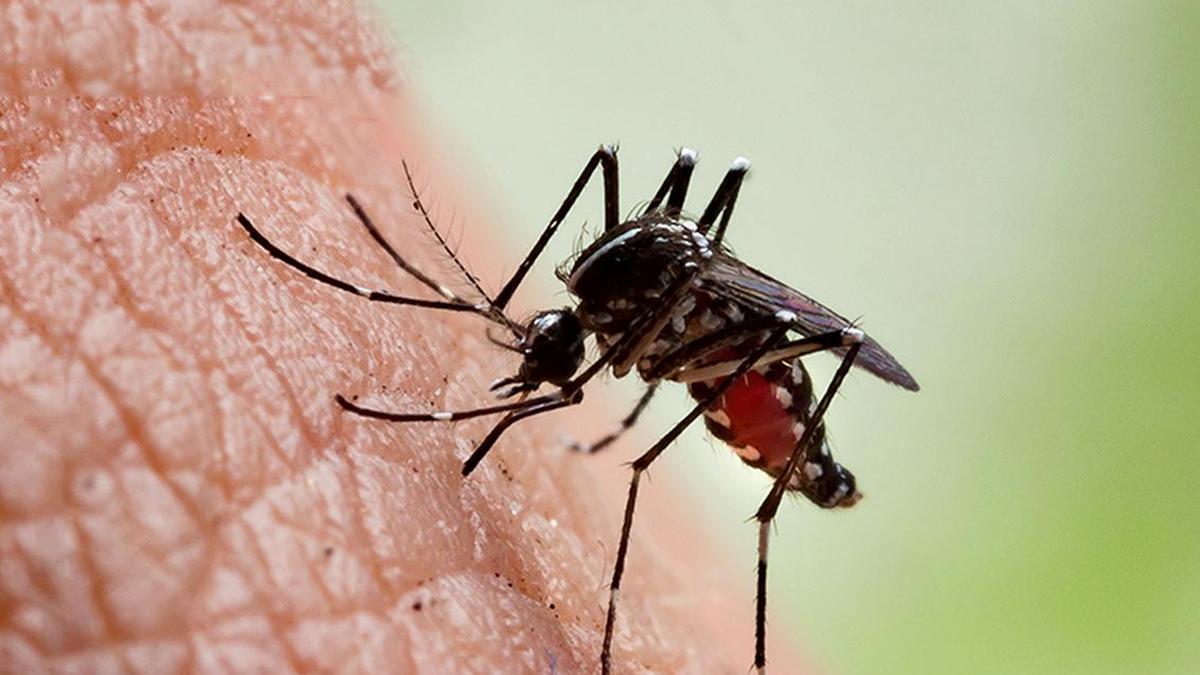
Tamil Nadu is currently recording around 200 dengue cases per day, with numbers remaining stable and not escalating into an outbreak, according to the Directorate of Public Health (DPH). The cases are being reported in various districts, including Chennai and its neighboring cities such as Coimbatore and Madurai. DPH Director A. Somasundaram stated that the caseload has not risen exponentially, as numbers are not doubling or tripling, which typically occurs during an outbreak.
He further explained that the static trend in dengue cases is expected to decline soon. The surge in reported cases could be attributed to the greater number of hospitals and testing facilities in these areas, which may lead to a "natural bias" in case reporting. DPH has instructed staff to conduct more dengue tests to improve surveillance and patient management, aiming to identify clusters of cases to prevent potential outbreaks.
Over 4,500 government and private laboratories in the state are involved in testing. Surveillance measures to detect Aedes mosquito breeding pools are ongoing, and the number of pools detected has started to decline due to source reduction efforts. The mosquito density is slowly decreasing, and about 25,000 Domestic Breeding Checkers (DBC) have been deployed across the state, with 20 persons assigned to cover one block.
DPH has intensified preventive measures and held daily monitoring meetings with District Health Officers via video conferencing to analyze case trends, laboratory test numbers, fever triaging, patient management, and discharge policies. Patients are being categorized as having mild, moderate, or severe symptoms and treated accordingly.
Currently, the severity of infections is relatively low. The official advised the public to maintain cleanliness in their household environments, particularly during crucial months of October and November when heavy rain may occur. They were advised to avoid unnecessary water storage and keep containers closed properly to prevent mosquito breeding.
Written by urgent.news from The Hindu Health's reporting — not their text. Machine-written — may contain errors; check the original before relying on it.