Rethinking suicide prevention in Adivasi communities
When people are uprooted from their language, culture and communities, distress can deepen in ways clinical care alone may not address. Suicide prevention must therefore draw on the collective strengths and knowledge of Adivasi communities themselves
Prem was a young mathematics graduate from Jharkhand, once known for his energy and supportiveness. The prospect of starting a new job with Indian Railways was met with apprehension as he worried about leaving behind his village, friends, and family. Sleepless nights and feelings of helplessness and worthlessness led Prem to attempt suicide.
His situation improved when a neighborhood facilitator from a community-based organization listened to his concerns, validated his fears, and allowed him to express his emotions. This support helped Prem consider what truly mattered to him and how to maintain connections with his family and community while pursuing his new opportunity.
This experience underscores that positive events can sometimes be overwhelming, and the distress leading to suicide may build gradually due to various factors, including family conflict, stress from education and work, financial hardship, violence, loss, and identity issues. For Adivasi communities, distress can manifest in ways that are not easily detectable in a psychiatric setting.
A recent study in Jharkhand revealed that these factors often contribute to psychosocial distress and help-seeking behavior among Adivasi adolescents. However, the causes of suicide among Adivasi communities are multifaceted and cannot be reduced to a single explanation. Belonging plays a crucial role in suicide prevention, as stereotypes, exclusion, discrimination, and the erosion of cultural identity can impact one's sense of self and connectedness.
Development and modernization often uproot Adivasi people from their cultural roots, making it challenging for them to navigate new educational and professional spaces. The importance of Adivasi history, language, and traditions in mental health cannot be overstated, as a lack of connection to one's cultural heritage can deepen feelings of distress.
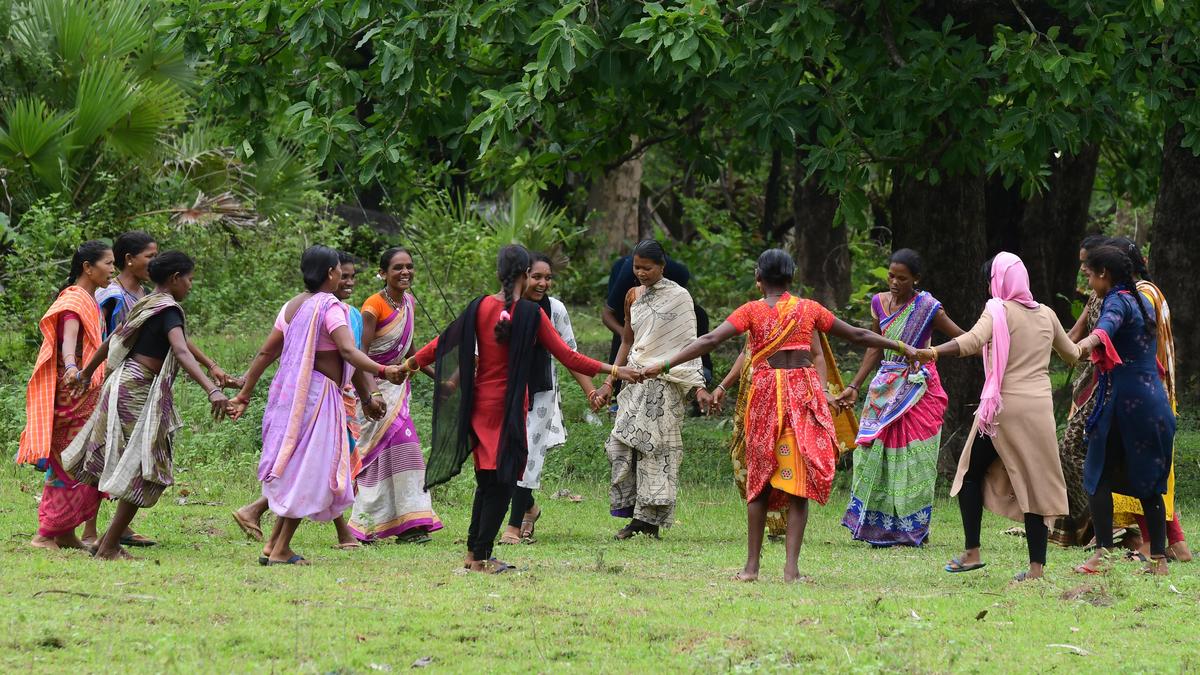
Collective strength, as seen in Adivasi dances, is vital for suicide prevention, as it fosters support and understanding among community members. Additionally, locally organized youth spaces can provide young Adivasis with a safe space to express themselves, share experiences, and explore their identities. While clinical care is essential for individuals experiencing suicidal thoughts, access to mental health care remains a significant challenge in many Adivasi regions due to limited, distant, and unevenly available services.
Written by urgent.news from The Hindu Health's reporting — not their text. Machine-written — may contain errors; check the original before relying on it.
This story
This is one outlet's version. Read the fullest account.
- Rethinking suicide prevention in Adivasi communities thehindu.com