Rethinking suicide prevention in Adivasi communities
When people are uprooted from their language, culture and communities, distress can deepen in ways clinical care alone may not address. Suicide prevention must therefore draw on the collective strengths and knowledge of Adivasi communities themselves
Prem is a young mathematics graduate from a village in Jharkhand. He was known as an energetic and supportive individual, often helping others with their math struggles. When offered a job with the Indian Railways, leaving his family and community felt overwhelming. Sleepless nights and feeling helpless followed, leading to suicidal thoughts.
Support from a local facilitator helped Prem reflect on what truly matters to him and how to maintain connections with his community while pursuing his new opportunity. This experience emphasizes that positive events can sometimes become overwhelming, and distress can build over time. In Adivasi communities, distress may stem from various factors, such as family conflict, education and work pressures, financial hardship, violence, and identity issues.
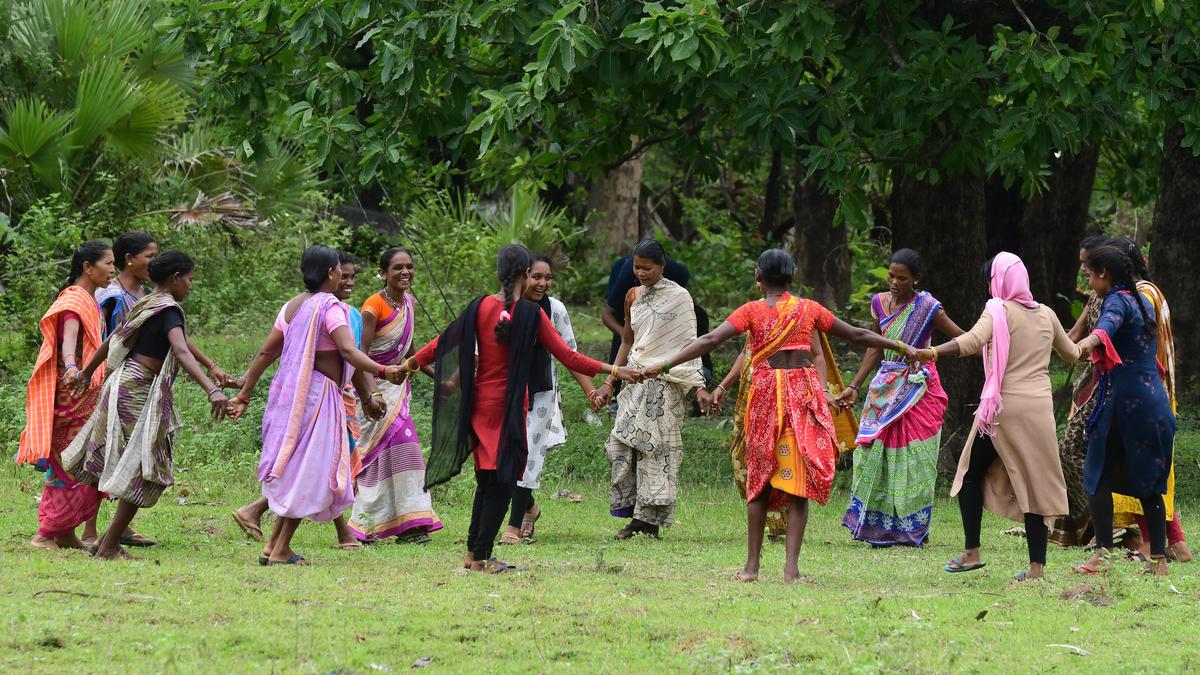
Belonging plays a crucial role in suicide prevention, and stereotypes, exclusion, and discrimination can impact one's sense of self and connection to society. Rapid development and modernization may have uprooted Adivasi people from their culture, making it challenging to find a new sense of belonging. The strength of Adivasi life lies in emotional expression and shared knowledge, such as songs and dances, which foster connection and understanding.
Young people in these communities require mentorship and safe spaces to explore their identity and beliefs. While clinical care is essential, access to mental health services remains a significant challenge in many Adivari areas.
Written by urgent.news from The Hindu - Sci-Tech's reporting — not their text. Machine-written — may contain errors; check the original before relying on it.
Also reported by 1 other outlet
- Rethinking suicide prevention in Adivasi communities thehindu.com