Russia strikes key Kyiv bridge for 3rd straight day as attacks intensify
Mayor Vitali Klitschko said that the bridge's surface as well as trolleybus overhead power lines have been damaged in the attack. Movement over the bridge was halted following the strike.
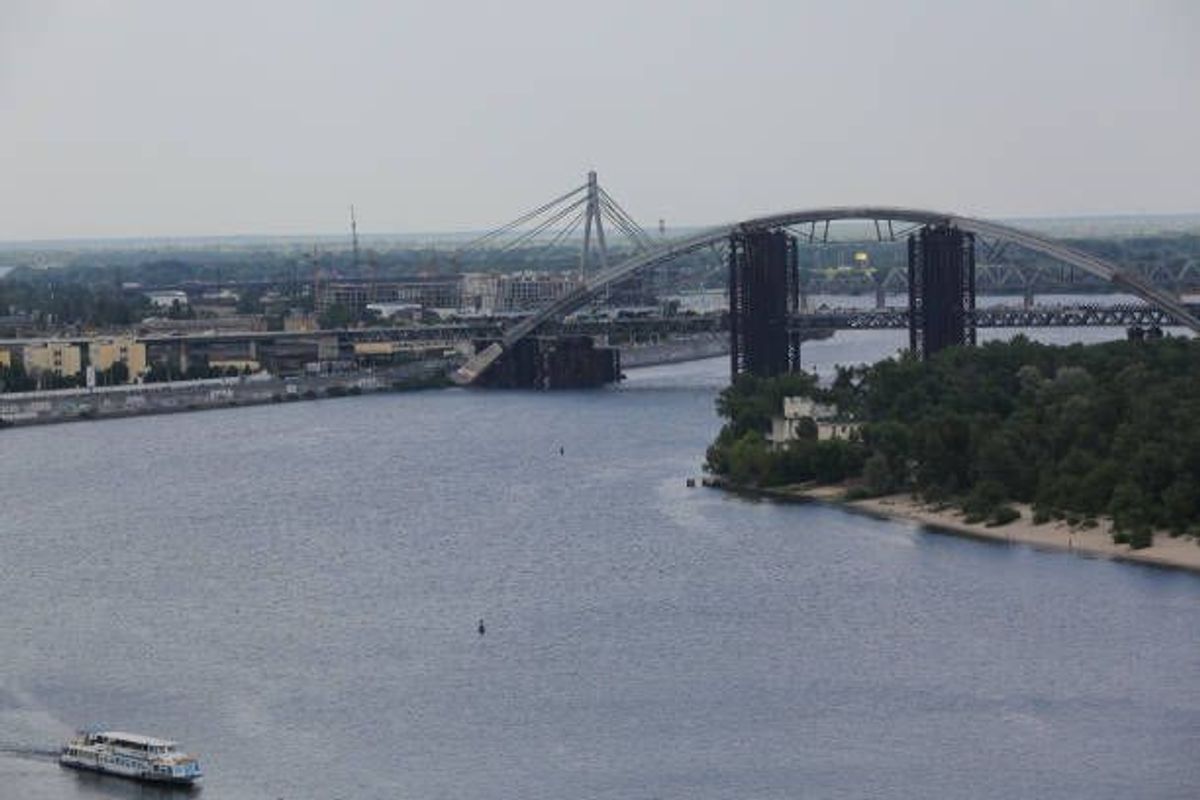
Russian forces struck the Northern Bridge over the Dnipro River in Kyiv on October 3, marking the third consecutive day of intense attacks on key bridges in the capital. The attack, which took place in the early hours of the morning, resulted in explosions that were reported throughout the city. Videos on social media showed a significant explosion on the bridge, connecting the right and left banks of Kyiv, with vehicles still passing by as the bridge was halted following the strike.
The damage caused by the attack was not immediately clear, but Mayor Vitali Klitschko reported that both the surface of the bridge and overhead trolleybus power lines were damaged. Aviation expert and former Antonov test engineer Kostiantyn Kryvolap suggested that the destruction of the bridge was unlikely to be the intended outcome of the strikes.
He explained that a 50-kilogram explosive charge, even with a highly effective warhead designed to destroy steel bridge structures, is practically impossible to achieve. Kryvolap believed that the Russian strikes may have been aimed at halting traffic, disrupting logistics, and exerting psychological pressure on Kyiv's population.
Both the Northern and Southern bridges serve as crucial traffic arteries, with millions of residents crossing them daily.
Written by urgent.news from Kyiv Independent's reporting — not their text. Machine-written — may contain errors; check the original before relying on it.
Also reported by 1 other outlet
- Russia strikes another major bridge in Ukraine’s capital freemalaysiatoday.com