Flydubai plane attack: co-pilot previously barred from flying by Oman over extremist views
The Flydubai co-pilot who officials said nearly crashed a Tel Aviv-bound flight with 182 people aboard was barred from flying by his native Oman over concerns he had adopted extremist views, a person familiar with the matter said on Saturday. The co-pilot was subsequently hired by the United Arab Emirates-based airline, the person said, speaking on the condition of anonymity to discuss the…
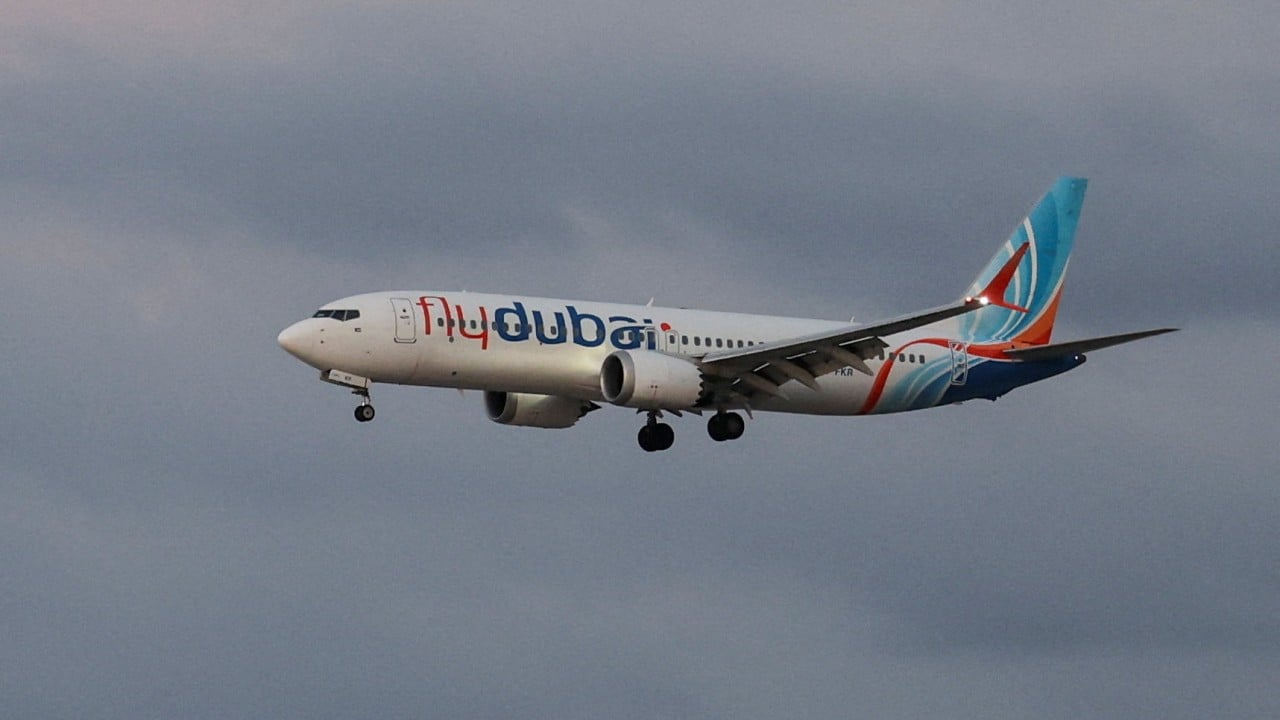
A Flydubai flight from Dubai to Tel Aviv with 182 people on board was diverted to Tabuk in northwestern Saudi Arabia for an emergency landing after the co-pilot attacked the captain. The captain, Smit Machchhar, was seriously injured but managed to open the cockpit door, allowing passengers and crew to overpower the attacker.
The co-pilot, identified as Omani national Hamam al-Hammami, had previously been barred from flying by Oman over concerns about his extremist views, according to the Wall Street Journal, citing people familiar with the matter. He was subsequently hired by Flydubai. Israeli Prime Minister Benjamin Netanyahu said the suspect had undergone "Islamist radical indoctrination" and had attempted to crash the plane.
The incident has raised questions about background checks in aviation hiring. The co-pilot was removed from a job at Oman's national airline last year over concerns about extremist views, according to CNN, citing two sources familiar with the matter. Al Arabiya reported that Omani authorities determined that the co-pilot held extremist views and had spent time in Syria.
Brief written by urgent.news from South China Morning Post, The Mainichi, Malay Mail, The Indian Express, DW English (Top Stories) — 5 reports on this story. Machine-written — may contain errors; check the original before relying on it.
This story
This is one outlet's version. Read the fullest account.
- How did he get back in the cockpit? Flydubai co-pilot accused of mid-air attack was previously banned in Oman malaymail.com
- Flying ban in Oman, spent time in Syria, held ‘radical views’: What we know about flydubai co-pilot hindustantimes.com
- flydubai Co-Pilot Was Banned By Oman From Flying Over Extremist Views: Report ndtv.com