Milk them, then cap them
EDITORIAL: Dairy and livestock farmers demanding a seat at the policy table are asking for something considerably more fundamental than another increase in the official price of milk. Their complaint goes to the economics of producing it. Feed, fodder, electricity, medicines, vaccines, labour and transport all carry costs that producers must absorb, while government price controls can restrict…
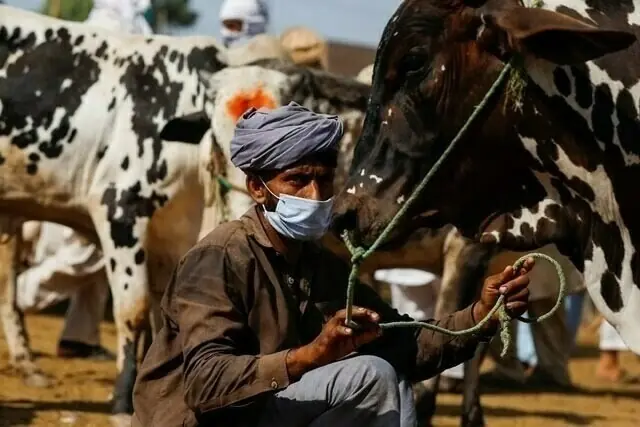
Dairy and livestock farmers are demanding a more significant role in shaping agricultural policies beyond just receiving higher milk prices. Their concerns stem from the hidden costs involved in producing milk, including feed, fodder, electricity, medicines, vaccines, labor, and transportation, which ultimately impact their profits.
The imbalance between what producers receive and what they spend can't be sustained indefinitely, as someone must bear the difference. The livestock sector is a vital part of Pakistan's economy, contributing nearly two-thirds of agricultural value addition and 14.64 percent of the GDP in 2025-26. While agriculture often focuses on crops, livestock's influence on rural incomes, food security, nutrition, and the wider economy cannot be underestimated.
The farmers' request for a transparent assessment of milk-production costs should not be dismissed lightly. The Pakistan Kissan Ittehad proposes a meeting to determine the actual cost of producing a liter of milk, with hopes that a farm-gate price of Rs250 per liter and a profit margin of 25-30 percent are justified. The government should require producers to substantiate their costs, while also being prepared to explain the economic rationale behind any imposed prices.
Current policies that set prices without considering production costs create a problematic cycle. Federal taxes, duties, and trade policies affect livestock businesses, yet agricultural income is exempt from federal income tax and taxed provincially. This disconnect impedes investment and productivity growth in the sector. Policymakers must enable commercially viable producers to earn a reasonable return, as failure to do so will discourage investment, informality, and potential exit from the business.
Although temporary price controls may benefit consumers initially, they could ultimately lead to reduced supply and poorer quality. While questioning complete deregulation of milk and meat prices, it's crucial to consider that food affordability remains a pressing issue, and effective competition in the market is needed. However, protecting vulnerable households can be achieved through targeted measures while allowing prices to align with genuine production economics.
Strengthening quality enforcement and traceability is also essential to ensure that higher prices, if justified, come with safe and superior products. The urgent need, therefore, is for a credible policy process that includes farmers at the table, rather than waiting on the sidelines. The collaboration between government, producers, dairy experts, and consumer representatives should aim to establish verifiable production costs and identify the distortions caused by taxes, imports, inefficiencies, and regulations.
Pakistan cannot develop a modern livestock industry by treating farmers as both the investment plan and the subsidy.
Written by urgent.news from Business Recorder's reporting — not their text. Machine-written — may contain errors; check the original before relying on it.