Rebuilding Nigeria’s Free Zones for Next Investment Wave
Nigeria’s Free Zones are entering a critical phase as government moves to modernise the regulatory framework, protect existing investments and position the zones to attract new capital, expand exports, create
Nigeria’s Free Zones are undergoing a transformative process as authorities work to modernize the regulatory framework, safeguard existing investments, and attract new capital. Established over three decades ago to boost production, exports, and job creation, these zones now face evolving global trade dynamics and the need for streamlined operations.
The Federal Ministry of Industry, Trade and Investment has collaborated with Free Zone Authorities to review the legislative and regulatory structure governing these zones. This review aligns the framework with the recently enacted Nigeria Tax Act 2025 and addresses the sale of up to 25% of production into the Nigerian Customs Territory.
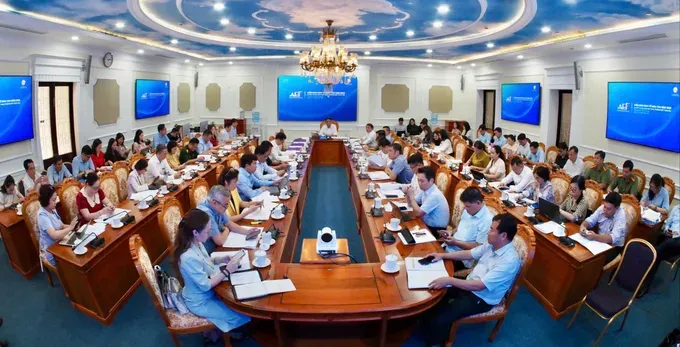
While the review cannot modify existing statutes, it aims to ensure seamless integration within these laws. Key stakeholders have gathered to discuss market access, customs treatment, taxation, and regulatory jurisdiction. The Ministry is now drafting a coherent framework that provides investors with legal certainty and minimizes multiple regulatory interfaces.
This integrated approach will leverage technology, such as digital platforms and the National Single Window, while preserving the distinct legal responsibilities of agencies like the Nigeria Customs Service and Nigeria Revenue Service.
Written by urgent.news from This Day's reporting — not their text. Machine-written — may contain errors; check the original before relying on it.