Beyond the gas pump: How much oil do we really consume?
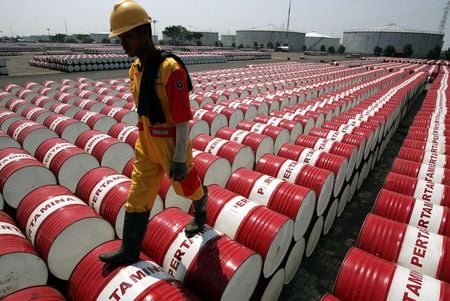
UBS, a global investment bank, predicts that worldwide oil consumption will continue to increase through the 2030s, driven by population growth, urbanization, and rising living standards in developing nations. The demand for oil extends far beyond transportation, as it is a crucial ingredient in producing plastics, chemicals, synthetic fibers, pharmaceuticals, packaging materials, and various industrial products.
In 2025, global oil consumption hit a record high of 105 million barrels per day, which equates to about 17 billion liters per day, or roughly two liters for each person worldwide.
Transportation is responsible for slightly more than half of the demand for oil. Road transport, encompassing passenger vehicles and road freight, accounts for less than half of this consumption. Passenger vehicles make up 27% of oil demand, while road freight accounts for 18%. Other modes of transportation, including aviation (7%), shipping (4%), rail, and waterways (2%), contribute to the remainder.
Emerging markets are anticipated to be the primary driver of future oil demand. India, in particular, is poised to assume the role of China as a major force behind global oil demand growth. With favorable demographic trends, robust economic expansion, and relatively low per-capita oil consumption, India's market presents significant potential for increased demand as incomes rise and urbanization accelerates.
Currently, India consumes about 0.6 liters of oil per person per day, in stark contrast to China's consumption rate of approximately 1.9 liters per person daily.
UBS anticipates that the adoption of electric vehicles and advancements in fuel efficiency will eventually temper gasoline and diesel demand. While gasoline and diesel fuels are expected to peak over the next decade, the report suggests that most of the growth in oil demand will stem from sectors outside of road transportation. This includes petrochemical feedstocks like naphtha, liquefied petroleum gas, and ethane, as well as increasing jet-fuel consumption.
The research firm also warns that oil consumption data can be skewed in countries with substantial petrochemical industries or key transportation hubs. Singapore, for instance, exhibits abnormally high per-capita oil consumption due to its role as a global marine-fuel bunkering center and aviation hub.
Written by urgent.news from Investing.com's reporting — not their text. Machine-written — may contain errors; check the original before relying on it.