Nirmala Sitharaman Says India’s Economic Fundamentals Strengthened Amid Global Turbulence
Finance Minister Nirmala Sitharaman said India has navigated a period of global economic uncertainty while maintaining and strengthening its underlying economic fundamentals. She noted that the global economy is facing reduced policy buffers and increasing public debt. Sitharaman said global public debt had climbed to nearly 94% of GDP in 2025 and could reach 100% by 2029, a level last witnessed…
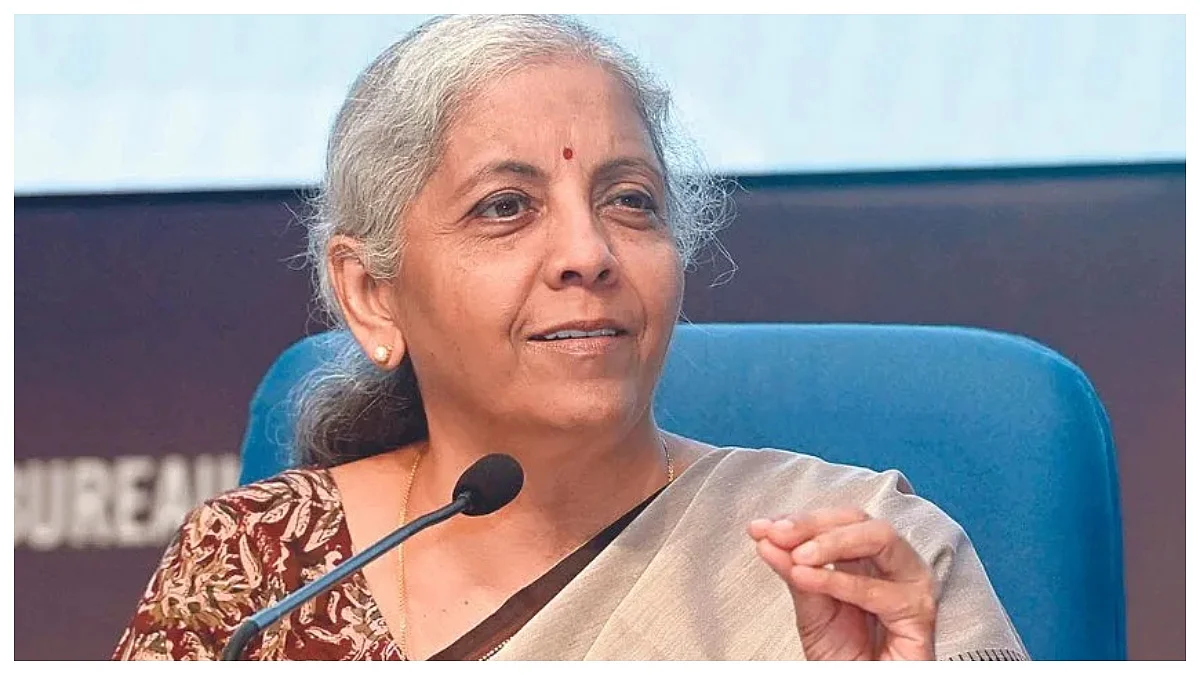
Finance Minister Nirmala Sitharaman emphasized India's ability to maintain and enhance its economic fundamentals amidst a global economic climate marked by reduced policy buffers and rising public debt. In 2025, global public debt reached nearly 94% of GDP and had the potential to reach 100% by 2029, a figure not seen since the aftermath of World War II. Despite these challenges, India's GDP growth in the second quarter of FY27 was recorded at 7.3%, according to the Finance Ministry's economic review.
Sitharaman pointed to significant reforms in the banking sector as crucial in supporting businesses through external uncertainties. These reforms included recapitalization, resolution of stressed assets, and enhancements in governance and risk-management systems. However, she stressed that the availability of working capital and access to financial markets remained critical factors. She also highlighted emergency credit line schemes that provided vital support to businesses during periods of disruption.
Infrastructure development emerged as another area of notable progress. Since 2014, India's national highway network expanded by approximately 60%, while Indian Railways added 36,429 kilometers of new track between 2014 and 2026. The number of operational airports more than doubled during this period, and cargo-handling capacity at major ports increased by nearly 60%.
Sitharaman also discussed various economic reforms, such as the Goods and Services Tax (GST), the Insolvency and Bankruptcy Code (IBC), labor codes, and Jan Vishwas measures. The overarching goal of these reforms was to simplify economic activity, improve predictability, and boost productivity. She stressed the importance of effective implementation, including timely completion of public infrastructure projects and the last-mile delivery of government programs to ensure beneficiaries receive intended benefits.
On inflation, Sitharaman highlighted India's flexible inflation-targeting framework, introduced in 2016, as a key element in managing inflation expectations. The government continuously monitors prices, market arrivals, stocks, and crop conditions to identify and address emerging pressures. Price stabilisation funds and food buffers were also mentioned as resources for timely intervention when necessary.
Sitharaman concluded that these economic reforms, infrastructure investments, and measures to manage inflation have collectively enabled India to navigate a period of heightened global uncertainty.
Written by urgent.news from Free Press Journal's reporting — not their text. Machine-written — may contain errors; check the original before relying on it.