Fuel, finance shocks already hitting global economy; India better placed but not insulated: Neelkanth Mishra
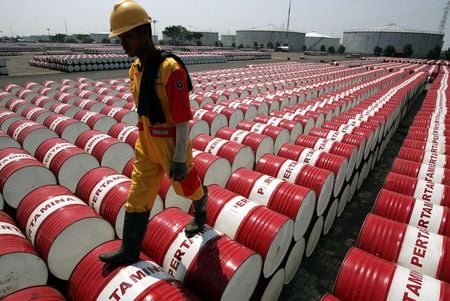
Higher fuel costs and tighter financial conditions are significantly affecting global demand and capital costs. India is comparatively better positioned than many developed markets, yet it remains vulnerable due to imported energy. The high dependence on crude oil and foreign capital poses risks for India's growth amid global economic pressures. Global bond yields have risen, increasing pressures…
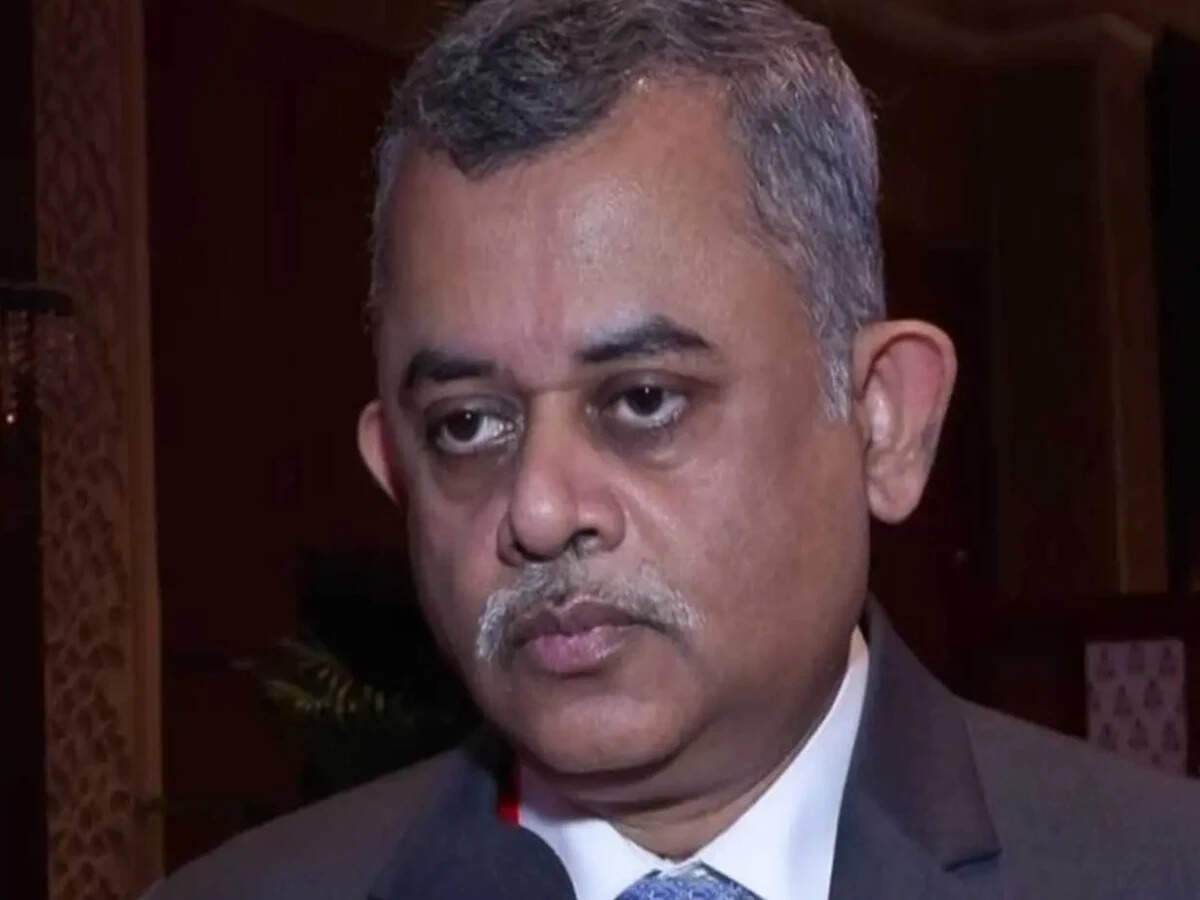
Higher fuel costs and tighter financial conditions are already impacting global demand and increasing the cost of capital, according to World Bank Group Executive Director and UIDAI Chairperson Neelkanth Mishra. Speaking about the economic effects of geopolitical disruptions, Mishra noted that the impact is already evident in fuel consumption and global financial markets, with fuel prices rising and global demand for fuel falling.
India is better positioned than several developed economies, but remains vulnerable due to its heavy reliance on imported crude oil and foreign savings. Mishra warned that global bond yields have risen significantly, raising borrowing costs and affecting areas such as mortgage rates and new mortgage issuance. However, he advised against directly aligning India's interest rate policy with developments in the US or other advanced economies, stating that India's fiscal condition differs from that of other countries.
Despite relying partly on foreign capital to finance investment, Mishra stressed that India's economic strategy involves running a current account deficit, leading to a reliance on foreign savings. If foreign savings become more expensive and less available, it could negatively impact India's growth. Regarding monetary policy, Mishra suggested that any rate increases should be based on domestic conditions rather than simply following the global rate cycle.
Written by urgent.news from The Economic Times - Economy's reporting — not their text. Machine-written — may contain errors; check the original before relying on it.
Also reported by 1 other outlet
- India can sustain around 7% growth despite global concerns: Nilesh Shah economictimes.indiatimes.com