Why are stink bugs moving into your house — and how to stop them
How to keep stink bugs out of your home this fall (and why they come in).
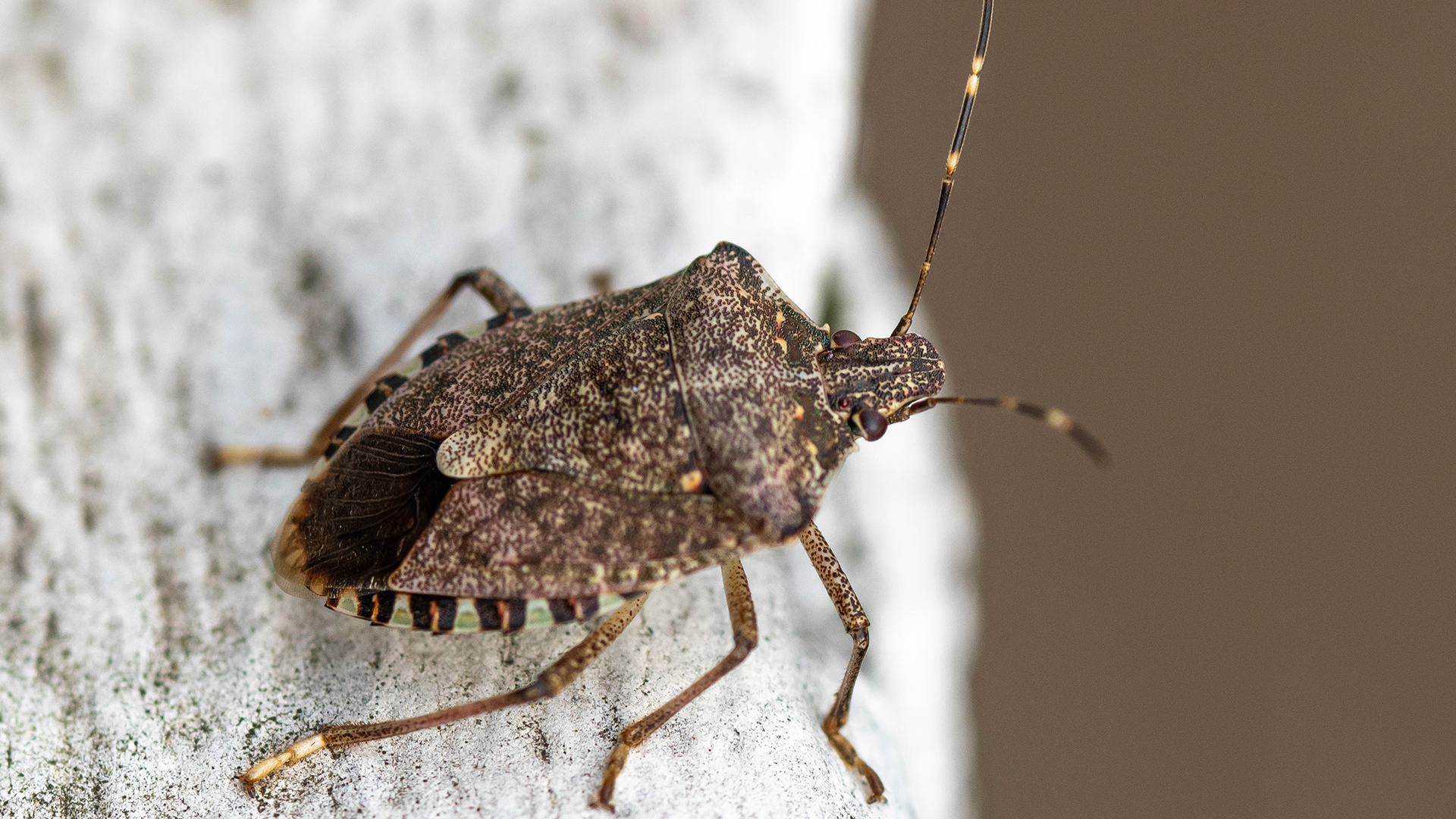
As temperatures cool in the fall, stink bugs make their way into homes to find a warm place to shelter. These insects are cold-blooded and cannot regulate their body temperature, so they seek out protected areas to overwinter. Emma Grace Crumbley, an entomologist, explains that stink bugs are drawn to the cracks and crevices of our homes, which provide ideal conditions for their survival during the colder months.
Unlike hibernation, which involves a seasonal slowdown of metabolic activity, stink bugs enter a state called diapause, a genetically programmed pause in their development. Stink bugs do not come inside looking for food; they feed on fruits, flowers, and crops outdoors. They enter homes to escape the cold. Entomologist Brandon Runyon notes that the gaps and crevices in our homes offer the perfect environment for stink bugs to go into diapause.
Stink bugs are attracted to sunlight and gather on the sunny sides of buildings in the afternoon, eventually finding their way into any gaps they can locate. Once inside, stink bugs can be challenging to eliminate, so it is crucial to take preventive measures to keep them out. Inspect the exterior of your home for potential entry points and seal any cracks or gaps around windows, doors, siding, vents, utility openings, and other areas where stink bugs may enter.
Additionally, repair torn screens, check door sweeps, and examine the openings around exterior trim. However, avoid quick fixes like indoor sprays and foggers, as they only target visible bugs, and more will emerge from wall voids and attics after the product dries. If stink bugs do make their way inside, avoid crushing them, as this releases the odor they produce.
Instead, remove them manually using a cup and piece of paper, drop them into soapy water, or vacuum them up and empty the canister immediately to prevent lingering odors. For further assistance, consider calling professionals to assess your home for potential entry points and create a tailored pest management plan.
Written by urgent.news from Tom's Guide's reporting — not their text. Machine-written — may contain errors; check the original before relying on it.