Satellite data reveal massive scale of routine oil pollution in oceans. See the map
Oil slicks from ships and offshore oil platforms cover nearly 1.6 million square kilometers (618,000 square miles) of the ocean surface each year, an area slightly larger than the nation of Mongolia. The estimate comes from a recent report by Skytruth, a U.S.-based nonprofit that used satellite imagery, machine learning and vessel tracking data to […]
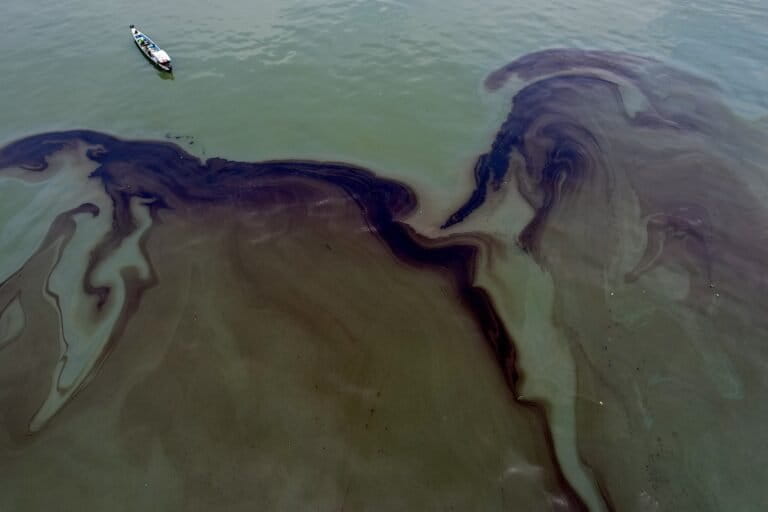
Oil pollution from ships and offshore platforms blankets an area roughly equivalent to Mongolia's landmass each year, according to a recent Skytruth report. Utilizing satellite imagery, machine learning, and vessel tracking data gathered between 2023 and 2025, the nonprofit organization quantified the vast extent of this environmental damage.
CEO John Amos highlighted the pervasiveness of this issue, explaining that prior to satellite technology, such pollution remained largely undetected at sea. He noted that vessel operators felt secure in their ability to conduct operations without detection, stating, "Any vessel operator could be pretty confident that nobody was going to notice what they were doing out in the middle of the ocean."
The primary source of these oil slicks is bilge waste—a blend of oil and water generated during a ship's operation. Additionally, tankers occasionally release crude oil residue from their cargo holds. Amos emphasized the detrimental nature of this "nasty, oily, dirty gunk," which is often simply discharged directly into the ocean during sea voyages.
MARPOL, the international maritime pollution treaty enacted in 1973, prohibits discharges of bilge water exceeding 15 parts oil per million parts water. However, Skytruth's modeling indicates that a significant portion of these illegal discharges persist unabated.
Written by urgent.news from Mongabay's reporting — not their text. Machine-written — may contain errors; check the original before relying on it.