Probiotics prevented coral bleaching during a Red Sea heat wave: Study
As a heat wave settled on the Red Sea in 2022, a patch of corals in a reef 15 kilometers (9.3 miles) off the coast of Saudi Arabia reacted differently than other corals. They’d been treated with probiotics, beneficial bacteria isolated from healthy corals, and those treatments prevented the corals from bleaching, scientists now report. […]
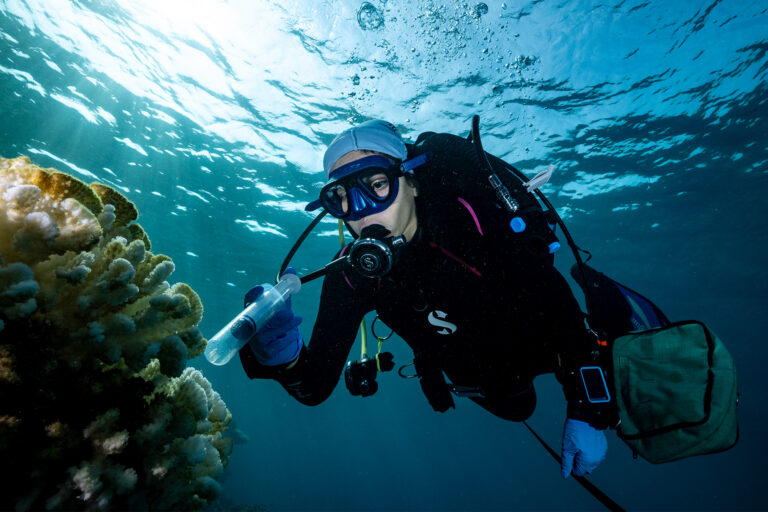
In 2022, a heat wave struck the Red Sea, prompting scientists to observe how a group of corals in a Saudi Arabian reef responded differently compared to others. These corals had been treated with probiotics, beneficial bacteria obtained from healthier corals, which researchers claim protected them from bleaching. Corals serve as homes for approximately one-third of marine life, but they are experiencing a rapid decline, as noted in the most recent report from the Global Coral Reef Monitoring Network.
Rising temperatures trigger coral bleaching, an issue caused by the breakdown of the beneficial relationship between corals and algae, potentially leading to coral death. If global temperatures climb by 1.5°C (2.7°F) above pre-industrial levels, experts predict that 70-90% of corals could face severe damage worldwide by 2100. Raquel Peixoto, a microbial ecologist at King Abdullah University of Science and Technology (KAUST) in Saudi Arabia and the lead researcher of the new study, explained to Mongabay that corals can adapt and adjust, but only if they remain alive.
While her previous research demonstrated that probiotics could prevent bleaching and maintain coral survival in controlled tank environments, the findings published in Cell Reports on September 3 are the first to suggest that probiotics may safeguard corals in their natural habitats during marine heat waves.
Written by urgent.news from Mongabay's reporting — not their text. Machine-written — may contain errors; check the original before relying on it.


