Urgent.News

What's breaking now, across thousands of outlets.

Science

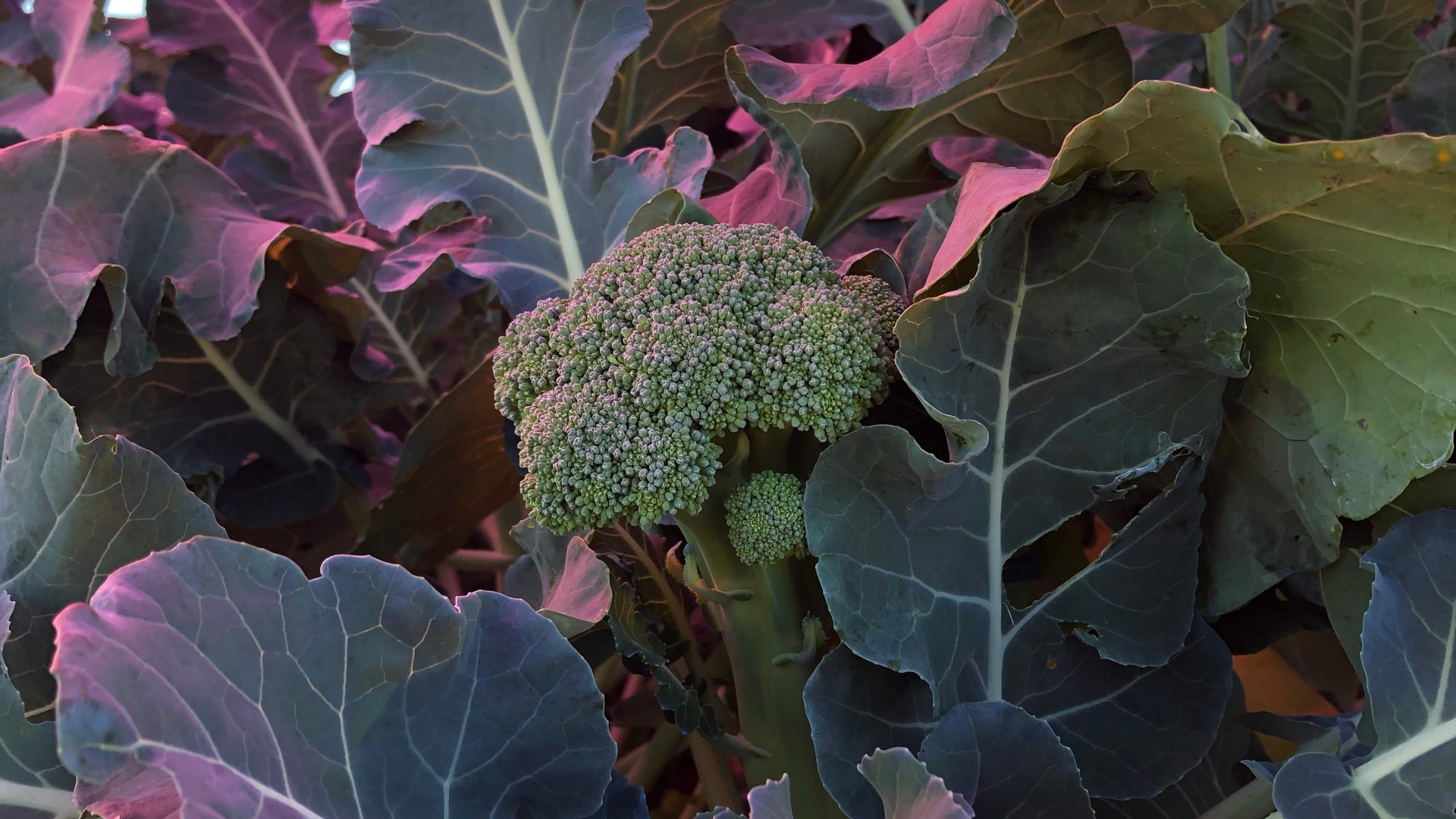
First U.S. tomato spotted wilt virus clone could speed development of disease-resistant crops

New technology from Texas A&M AgriLife Research could be a major step toward bringing disease-resistant peppers and tomatoes to growers' fields and lowering costs at grocery stores.

First U.S. tomato spotted wilt virus clone could speed development of disease-resistant crops

Researchers at Texas A&M AgriLife have created the first official "clone" of the tomato spotted wilt virus (TSWV) in the United States. This breakthrough, detailed in a new study, could greatly accelerate the development of disease-resistant pepper and tomato crops for farmers, potentially leading to cheaper produce in grocery stores.

Led by Dr. Jeanmarie Verchot, the team engineered a DNA copy of a pepper-infecting TSWV isolate, creating an infectious clone that behaves just like the natural virus. This clone allows scientists to easily produce unlimited amounts of the virus, speeding up research on disease-resistant genetics. It also provides breeders with a standardized tool to quickly identify and develop new TSWV-resistant varieties.

TSWV, spread by insects like thrips, damages over 1,000 different plant varieties, causing significant crop losses and higher food prices. The researchers hope this technology will lead to more abundant and affordable produce for consumers nationwide.

Written by urgent.news from Phys.org's reporting — not their text. Machine-written — may contain errors; check the original before relying on it.

Read the original at phys.org →

More in Science

The solar system will fall apart far sooner than anyone thought, scientists say

Earth will be long gone by then, but new research shows the outer planets will be thrown out too, and a billion times earlier than expected, according to astrophysics research.

  • Outer planets of solar system face instability soon after Sun becomes white dwarf
  • New study from Caltech challenges long-held belief of solar system's stability
  • Stochastic solar mass loss causes chaotic orbits of Jupiter, Saturn, Uranus, Neptune

A 'reality check' for lab-grown human embryo models

University of Sydney researchers have developed a new way to test how closely lab-grown biological models resemble real human embryos, finding that while some models perform well, none yet fully capture the complexity of early human development.

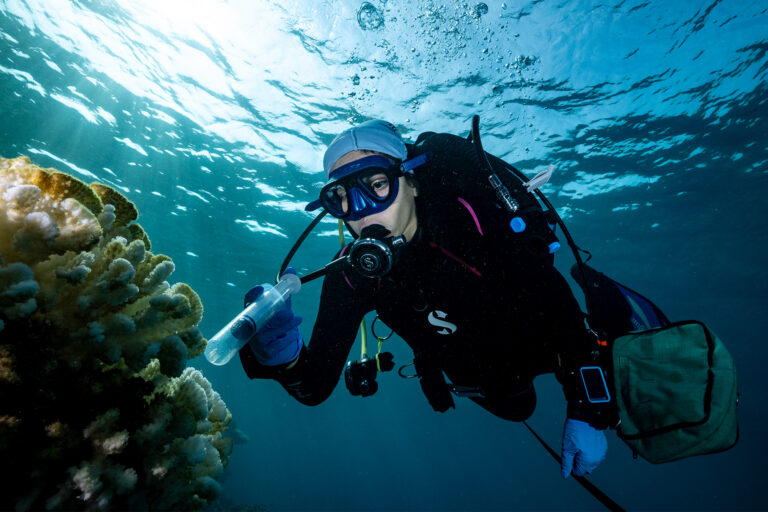
Probiotics prevented coral bleaching during a Red Sea heat wave: Study

As a heat wave settled on the Red Sea in 2022, a patch of corals in a reef 15 kilometers (9.3 miles) off the coast of Saudi Arabia reacted differently than other corals. They’d been treated with probiotics, beneficial bacteria isolated from healthy corals, and those treatments prevented the corals from bleaching, scientists now report.

More from Friday 2 October →