Man-made clay burrows hoping to save endangered dragon from summer heat
One of Canberra's rarest residents, the grassland earless dragon, is being given a new lease on life with clay homes built to help the critically endangered species survive another scorching summer.
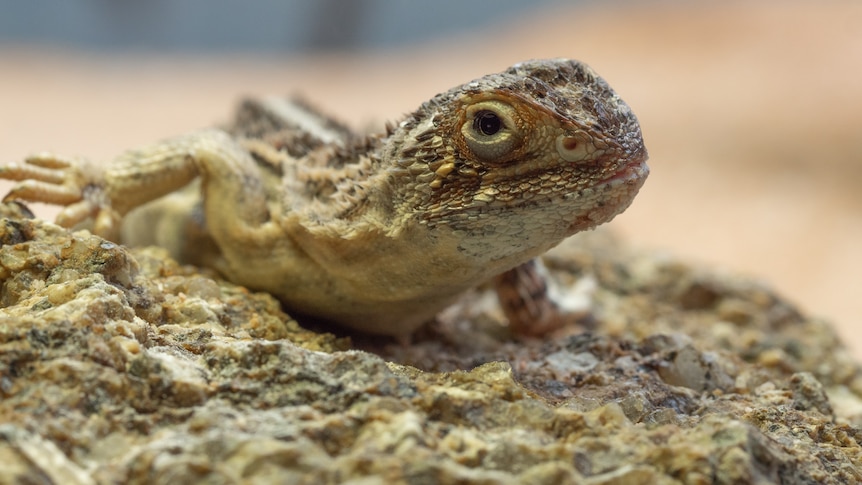
Endangered Canberra grassland earless dragons are facing a deadly heat in the grasslands, with temperatures soaring up to a lethal 70C during summer. The University of Canberra's Ryan Colley, who has been studying the species' genetics since 2020, explains that these dragons are elusive, rarely seen outside their burrows. To aid their survival, researchers have constructed clay burrows resembling the natural spider burrows these tiny reptiles inhabit.
These 20-centimeter deep terracotta tubes, installed at two sites in Canberra, are designed to create a thermal gradient that allows the dragons to regulate their body temperature. The clay holds moisture, which may help buffer the effects of climate and support egg incubation. The trial aims to evaluate the effectiveness of these clay burrows ahead of an impending hot summer.
Within just a few days of installation, the dragons quickly adopted the clay burrows over the PVC tubes used for monitoring. Researchers are closely monitoring the dragons' behavior using an endoscope, noting that they curl up at the bottom of the burrows. One of the challenges faced during the project was finding someone to create the 100 clay burrows, each precisely 20 centimeters long and thin yet structurally sound.
Tom from Strathnairn Arts in North Canberra ultimately embraced the project and crafted the burrows, which have now been installed by the research team. Preserving this critically endangered species also involves addressing the genetic isolation of the populations, with Colley highlighting the need for translocating animals between sites to boost genetic diversity.
Written by urgent.news from ABC News AU's reporting — not their text. Machine-written — may contain errors; check the original before relying on it.