London rail soil helped rebuild Essex wetlands; reserve later saw 39,000 birds
More than three million tonnes of soil excavated for London’s Elizabeth line were transported to Wallasea Island in Essex to help create coastal wetlands. Ten years after seawalls were breached, the restored RSPB reserve has recorded a record 39,000 wintering birds, including thousands of Knot, Avocets, Grey Plovers and Bar-tailed Godwits.
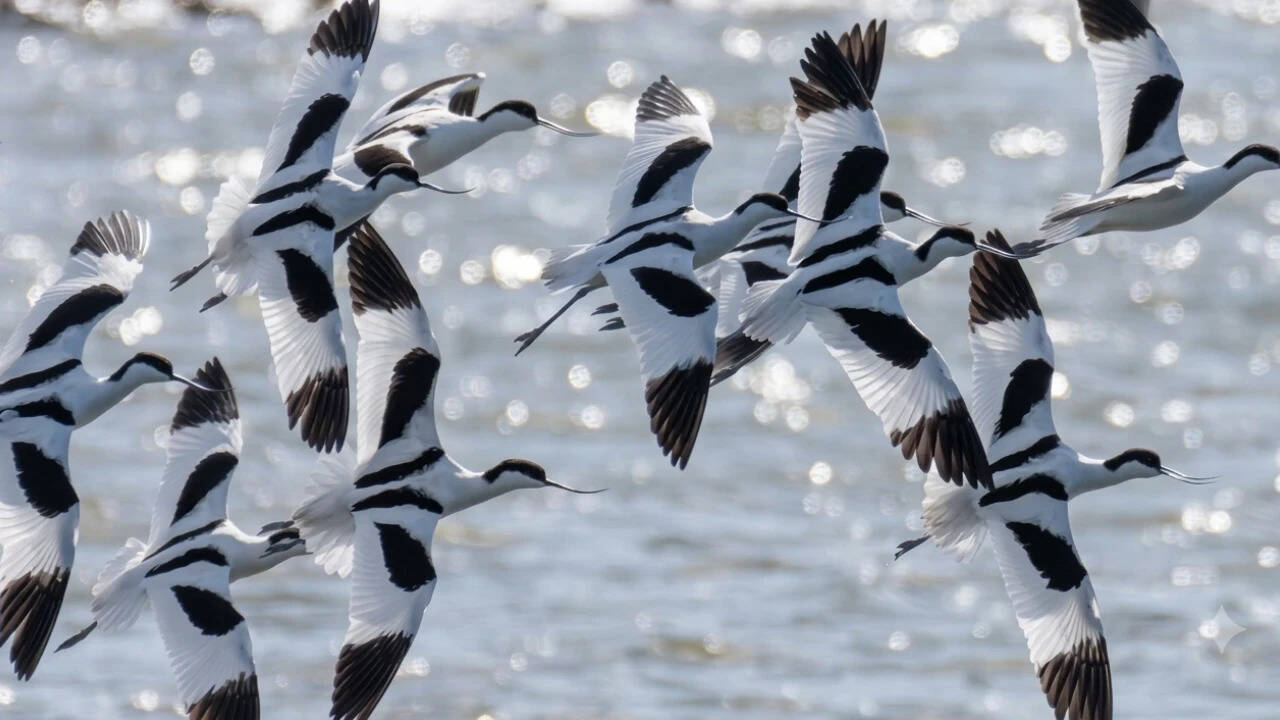
The construction of London's Elizabeth line led to the creation of new wetlands on Wallasea Island in Essex, which has since attracted nearly 40,000 birds, including thousands of Knot, Avocets, Grey Plovers and Bar-tailed Godwits. The project involved transporting over three million tonnes of soil excavated during railway construction to the island to raise its ground and create coastal wetlands.
When sections of the seawall were removed in 2015, seawater returned to the island after a 400-year absence, forming lagoons, saltmarshes and new islands. This restoration has provided natural flood defences by absorbing storm surges and rising water levels. The RSPB reserve recorded a new wintering bird record of 39,000 birds last winter, with nearly 800 Avocets and over 10,000 Knot.
The transformation of Wallasea Island into a thriving nature reserve showcases how infrastructure projects can also benefit wildlife conservation.
Written by urgent.news from Times of India's reporting — not their text. Machine-written — may contain errors; check the original before relying on it.