For the first time, captive-bred Great Indian Bustard will set foot in the wild
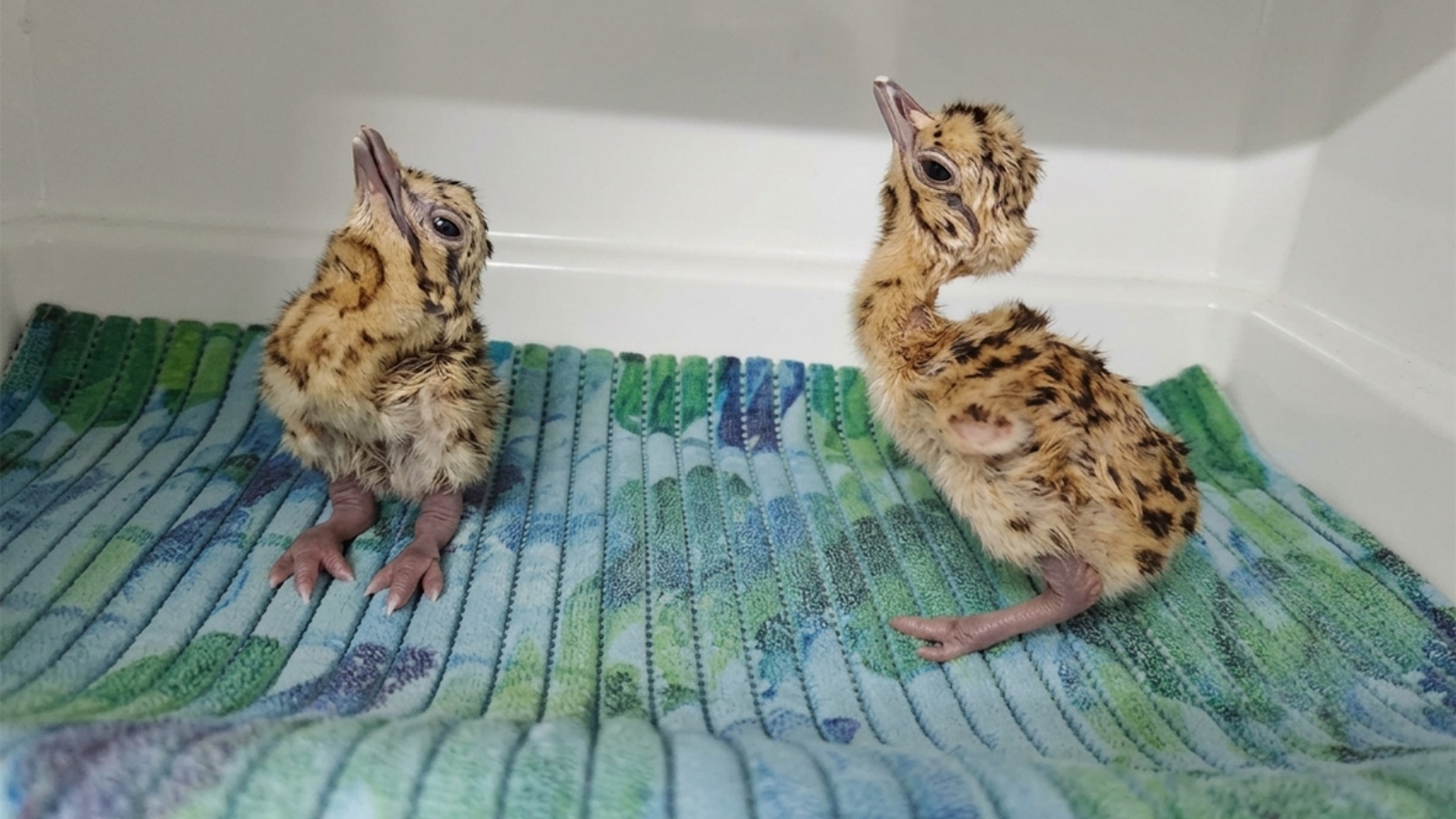
The critically endangered Great Indian Bustard (GIB) population, currently estimated at around 140 birds in the wild, is set to undergo a pivotal phase this weekend with the release of captive-bred chicks into enclosures at the Desert National Park (DNP) in Jaisalmer. This marks the commencement of the 'rewilding' phase for Project GIB, a conservation initiative in operation since 2013 aimed at the long-term recovery of the species that has been on the brink of extinction.
Union Environment Minister Bhupender Yadav and Rajasthan Chief Minister Bhajan Lal Sharma are expected to preside over the pilot release event slated for October 4. Prior to this, a few chicks have been introduced at an aviary in Sam to acclimate them to the wild environment away from human presence, preparing them for the rewilding process.
At least two male chicks, aged between four to six months, are expected to join the existing enclosures within DNP. They will be equipped with radio transmitters to monitor their movement and behavior. The GIB, a keystone species of arid and semi-arid open natural ecosystems, has faced threats such as habitat loss, poaching, predation of individuals and eggs, and recently, mortality due to collisions with power lines associated with renewable energy projects.
The chicks being released were bred and raised in captivity under the conservation breeding phase of Project GIB. A total of 98 GIBs have been bred in captivity over the past few years, with 98% of these birds being released in the wild. The timing of the pilot release aligns with the end of the monsoon season, ensuring that the grasslands in DNP are rich in insects to feed the chicks. The slow reproduction rate of GIB, which involves laying eggs once every one-two years, has necessitated this urgent intervention.
Written by urgent.news from The Indian Express - India's reporting — not their text. Machine-written — may contain errors; check the original before relying on it.