From giraffes to pandas: The millennia-long history of animal diplomacy
For centuries, the act of gifting animals has played a significant role in international relations. This practice, known as "animal diplomacy," involves sending faunal gifts to symbolize goodwill, demonstrate power, or solidify alliances between nations. The concept of animal diplomacy dates back to ancient Egyptian pharaohs who sent African animals to Mediterranean rulers and continued through the Roman Empire, which displayed exotic species to showcase its dominion.
One notable exchange came from Egyptian Queen Cleopatra, who gifted a "cameleopard" — a creature believed to be a giraffe — to Roman Emperor Nero. In later centuries, the Abbasid Caliph Harun al-Rashid presented the Roman Emperor Charlemagne with an elephant named Abul-Abbas, while Russian Tsar Peter the Great sent a polar bear to the King of Sweden.
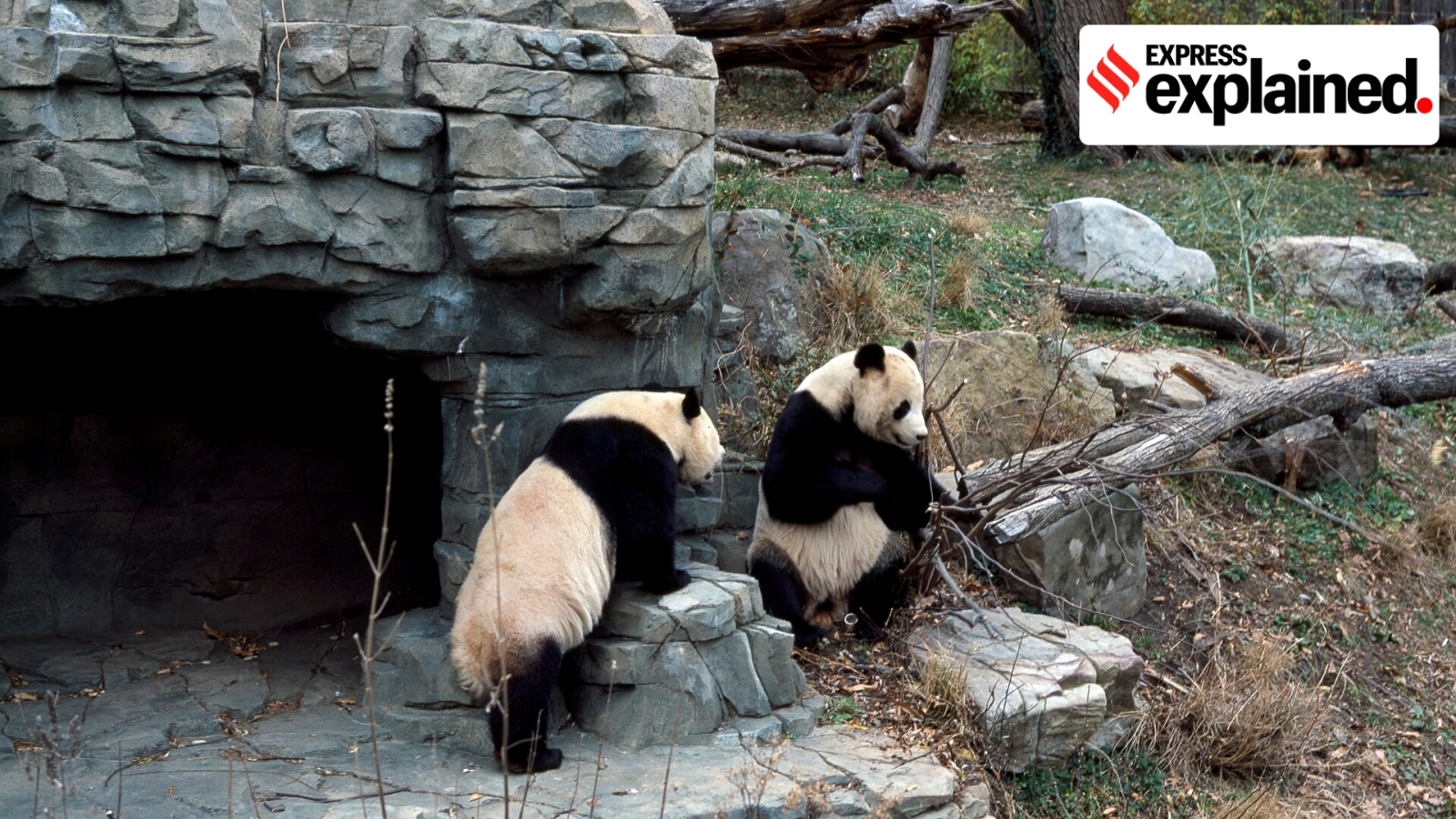
During the 20th century, animal diplomacy gained momentum, particularly with China's "panda diplomacy." This involved the strategic exchange of two giant pandas between China and the United States in 1972, following President Richard Nixon's visit to China. Similarly, Australia sent a platypus named Winston to the UK during World War II and birds to European rulers as symbols of goodwill.
In India, the use of animals in diplomacy has a rich history. In 1414, envoys from Malindi, Kenya, brought giraffes to Chinese Admiral Zheng He as tributes to Ming Emperor Yongle. In the 17th century, Sultan Muzaffar II of Gujarat gifted a rhinoceros to King Manuel I of Portugal, which gained widespread attention in Europe and inspired German painter Albrecht Dürer to create a painting of the animal despite never having seen it.
Mughal Emperor Jahangir (1569-1627 CE) was also fascinated by exotic species, leading him to commission an official in Goa to procure rare animals for his collection.
Under India's first Prime Minister Jawaharlal Nehru, elephants were gifted to various countries as a token of goodwill. During the post-independence era, India sent elephants to nations including the US, the Soviet Union, China, Turkey, and Iran. The Indian government also received elephants, such as Shankar and Vimbai, which arrived in India from Zimbabwe in 1996. Although Vimbai passed away in 2001, Shankar lived at Delhi Zoo for over two decades until his death in October 2025.
A contemporary example of animal diplomacy occurred in 2022 when India collaborated with Namibia under Project Cheetah to reintroduce African cheetahs to India. This marked the first time the Asian cheetah, which went extinct in India in the 1950s, was returned to the country as a diplomatic gesture. In 2026, India gifted five peacocks to the United Nations to be displayed at its European headquarters in Geneva, furthering the tradition of using living creatures as political and cultural representatives.
Written by urgent.news from The Indian Express's reporting — not their text. Machine-written — may contain errors; check the original before relying on it.