Food security strengthened through local production and resilient supply chains
<p>Doha, Qatar: Qatar’s food security strategy is increasingly focused on building a resilient system that combines stronger local production with reliable imports, flexible supply chains and greater private-sector participation, Ministry of Municipality Undersecretary H E Eng. Ali bin Mohammed Al Ali has said.</p> <p>Speaking on the fifth episode of the National Planning Council’s AlTanmiya…
Doha, Qatar: Qatar's approach to food security emphasizes a balanced blend of domestic production and imports, bolstered by flexible supply chains and increased involvement from the private sector, according to H E Eng. Ali bin Mohammed Al Ali, Undersecretary at the Ministry of Municipality. Speaking on the National Planning Council's AlTanmiya podcast, Al Ali stressed the necessity of local production alongside external imports due to Qatar's challenging climate and limited natural resources.
The country's near-full self-sufficiency in fresh milk and fresh poultry exemplifies the success of policies that protect and nurture domestic production. Al Ali highlighted that achieving 100% dairy production and approximately 99.9% poultry production resulted from protective regulations and support for local industries. He emphasized the upcoming focus on empowering the private sector, which plays a crucial role across the entire food-security chain, from production to logistics and imports.
Al Ali noted that the private sector, encompassing producers, logistics, supply chains, and suppliers, is instrumental in maintaining a resilient food system. He stressed that reducing government intervention while nurturing the private sector would ultimately enhance the nation's food security. Coordination among key government departments, including health, commerce, and interior ministries, as well as customs, defence, and Qatar Ports, is overseen by the Committee for Follow-up on the Implementation of Food Security Policies.
The committee's weekly meetings involve representatives from various entities and focus on strategic stocks and essential commodities to ensure the availability of products in markets, even during crises. Despite a global crisis beginning late February, supplies have remained steady for six months, entering the seventh month. Al Ali attributed this resilience to collective efforts among government bodies and the committee's emphasis on strategic planning.
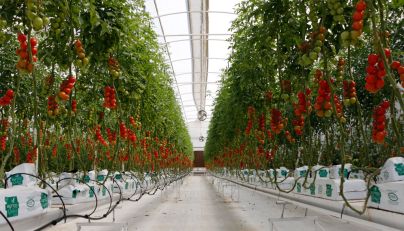
Looking forward, Qatar aims to increase agricultural self-sufficiency to 55% by 2030, a challenging goal given the country's climate. Currently, agricultural production averages around 49% to 50%, with peak production from October to April. Despite only about 460 active farms among Qatar's 1,300, the country reached 100% self-sufficiency in several key crops, including tomatoes, cucumbers, eggplants, and zucchini, during the peak growing season in 2025.
Agricultural support includes assistance with animal feed, fertilizers, pesticides, and technical training for farmers. Around 8,000 individuals have participated in training workshops, and the Ministry purchases and markets farmers' produce through Hassad, an executive arm supported by the Ministry.
Written by urgent.news from The Peninsula Qatar's reporting — not their text. Machine-written — may contain errors; check the original before relying on it.