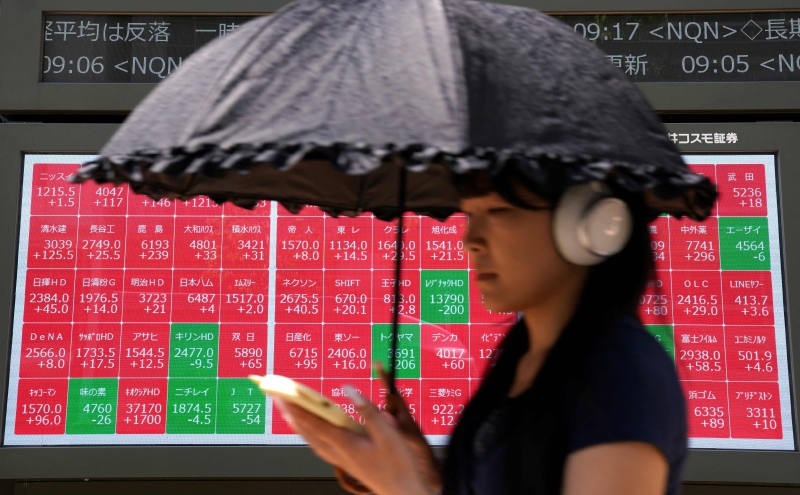
Editorial: Japan cannot talk its way out of the yen's slide
No matter how strongly leaders seek to check the yen's slide, their efforts will remain no more than a temporary fix. Japan should instead review its
The yen's depreciation is a significant issue for Japan, and verbal interventions by government officials have proven to be only temporary solutions. Prime Minister Sanae Takaichi's meeting with U.S. President Donald Trump in September highlighted the problem, with Trump expressing concerns about the yen's undervaluation affecting U.S. trade.
Takaichi acknowledged the yen's undervaluation as a general problem. The yen's weakness has led to inflationary pressures in Japan, prompting the government to take notice. While verbal interventions by senior officials are often used to curb market swings, the prime minister's direct involvement raises questions about its effectiveness.
Previous attempts, such as yen-buying by the Japanese and U.S. governments, have also been short-lived. Takaichi's proactive fiscal spending policy, despite Japan's high debt levels, has raised concerns about the government's ability to stabilize the economy. With Japan's government bonds being sold and long-term interest rates reaching a 30-year high, the government must rethink its fiscal management to halt the trend of investors selling off Japanese assets. A credible path towards restoring fiscal health is crucial to stabilize the markets.
Written by urgent.news from The Mainichi's reporting — not their text. Machine-written — may contain errors; check the original before relying on it.