Asian stocks hit as oil spike fans rate hike bets, eyes on US jobs
HONG KONG: Most Asian stocks dropped Friday as investors grow increasingly concerned about surging oil prices and bond yields, while key jobs data later in the day will be pored over for an idea about the Federal Reserve's next interest rate move.
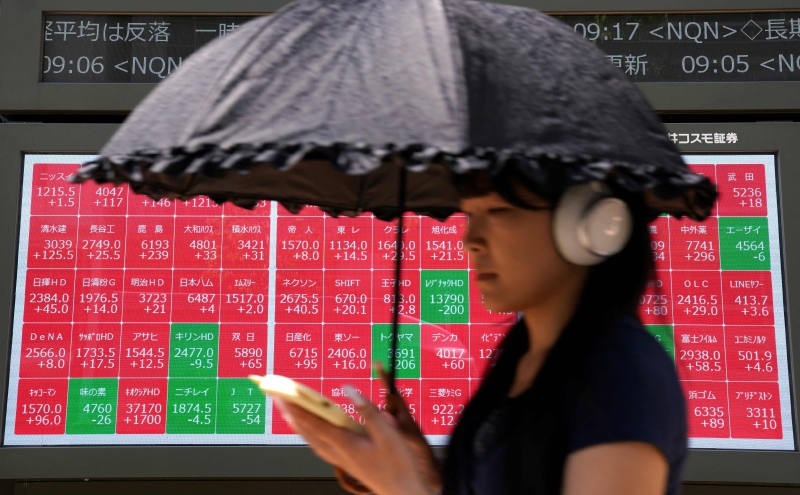
Most Asian stocks fell on Friday as investors became increasingly worried about rising oil prices and bond yields, according to the <source>. US Treasuries and government debt yields spiked on Thursday due to fears that soaring energy costs from the Middle East crisis would lead central banks to raise borrowing costs well into next year.
While yields eased in early trading on Friday, concerns remained high due to fears of more instability in the US-Iran war. Both major crude contracts declined after the previous day's surge as the US and Iran remained deadlocked on ending the crisis and unable to reopen the Strait of Hormuz. Additionally, there were worries that the US military might deploy more warships, jets, and troops to the region amid speculation that President Donald Trump could resume the war.
The USS Theodore Roosevelt aircraft carrier and its strike group were reportedly set to arrive in the Middle East next month. Meanwhile, Trump warned on Thursday that Iran could face repercussions if it was found responsible for an attack on a flydubai flight to Israel, stating that Iran would be "hit very hard." Rising fuel costs have driven inflation since the war began in February, prompting rate hike expectations and pushing bond yields to levels not seen since the 2000s.
FOREX.com's Fawad Razaqzada noted that bond markets were now pricing in four additional 25-basis-point rate hikes by June 2027, a significant shift from the expectation of at least 100 basis points of cuts over the same period before the conflict began. The Bloomberg Commodity Index jumped more than 37 percent year-over-year and was on track for one of its largest 12-month gains since the 2022 energy crisis, indicating a renewed wave of commodity-driven inflation.
This inflationary pressure complicates the outlook for central banks as borrowing costs continue to rise. Despite a positive lead from Wall Street, Asian stock markets struggled, with Hong Kong losing nearly three percent as the Hang Seng Index opened lower due to disappointment over Chinese stimulus measures. Financial firms were also pressured by concerns over the impact of rising rates.
Tokyo, Singapore, Wellington, Manila, and Jakarta experienced declines, while Seoul, Sydney, Taipei, and Bangkok saw modest gains. Shanghai was closed for a holiday. On the US side, traders were closely watching the upcoming non-farm payrolls figures for Friday to gauge the Federal Reserve's next move following last month's rate hike.
Some officials called for a measured approach, with Vice Chair Philip Jefferson stating that policymakers should make a decision after carefully examining data trends, while others, like Dallas Fed President Lorie Logan, warned that the target range may need to rise by an additional 50 basis points or more to balance dual mandate goals.
Written by urgent.news from New Straits Times's reporting — not their text. Machine-written — may contain errors; check the original before relying on it.