How was Gandhi’s portrait chosen to appear on rupee notes?
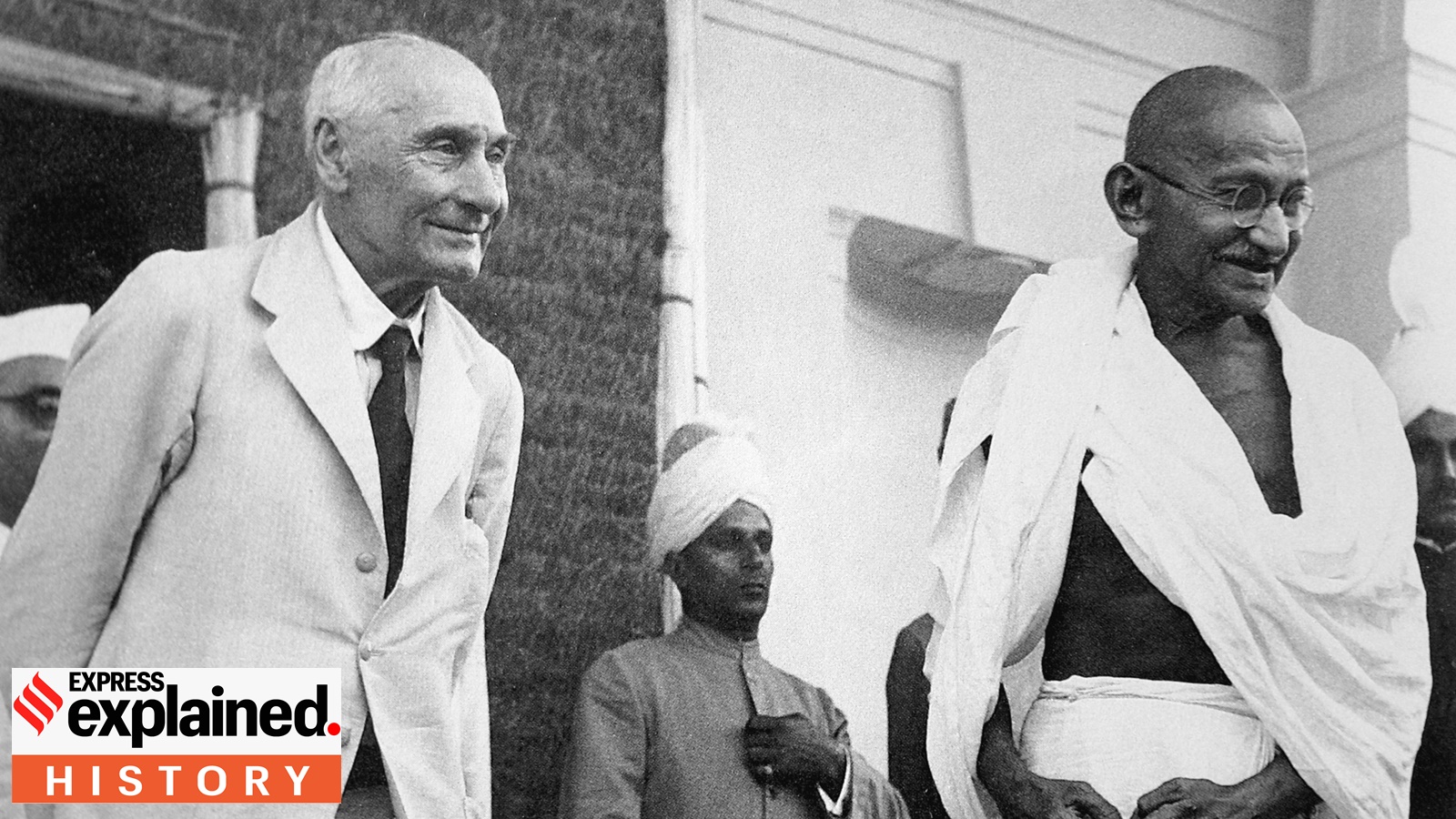
Mahatma Gandhi, revered as the Father of the Nation, was selected to grace Indian rupee banknotes in 1996, marking a significant moment in India's monetary history. Prior to this, King George VI adorned the currency, but his image was replaced by the Lion Capital of Ashoka Pillar at Sarnath in 1949. Gandhi's portrait on the banknotes originated from a photograph taken in Delhi in 1946, capturing him smiling.
The selection of this photograph was based on its suitable expression of the beloved leader. Before Gandhi, colonial currency featured King George VI, but in its place, the RBI designed banknotes featuring the Lion Capital. The first commemorative Gandhi banknotes were released in 1969 for his 100th birth anniversary. However, it wasn't until 1987 that a series of 500 rupee notes featuring Gandhi's image was launched, marking the beginning of his permanent presence on Indian currency.
Despite suggestions to include others like Lord Ganesha, Rabindranath Tagore, or APJ Abdul Kalam, the RBI emphasized Gandhi's national appeal and consensus that he best represented the ethos of India.
Written by urgent.news from The Indian Express's reporting — not their text. Machine-written — may contain errors; check the original before relying on it.