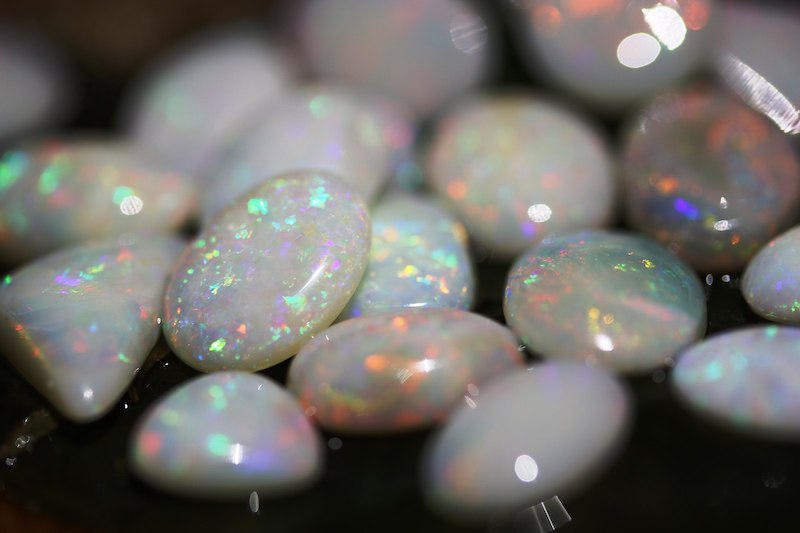
Crop outputs grew up to 100% in China’s big agricultural experiment: scientists
Large-scale field trials across China show that irrigation water treated with natural minerals radiated by sunlight could dramatically increase the yields of several crops, according to Chinese scientists behind the experiments. The team said the trials, including on rice, wheat, soybeans, peanuts, sweet potatoes, sugar cane and vegetables, improved photosynthetic efficiency. Their study,…
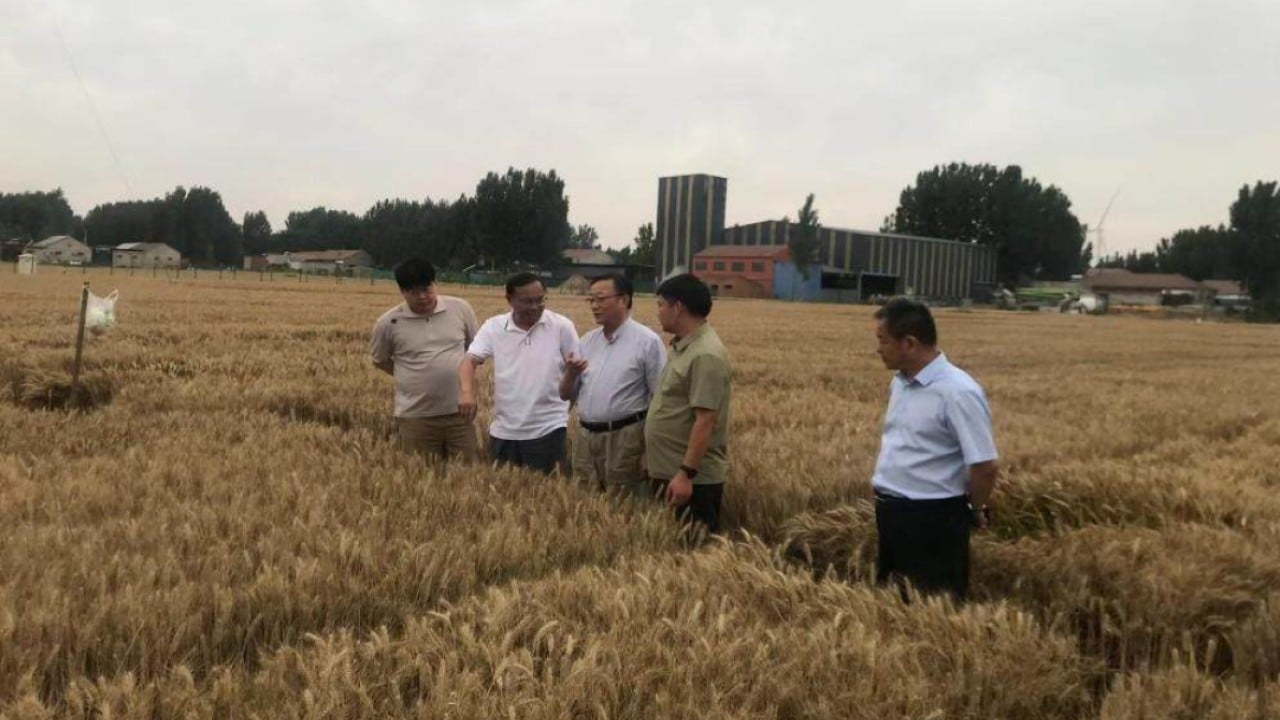
A groundbreaking agricultural experiment in China has shown that irrigation water treated with natural minerals, irradiated by sunlight, can significantly boost crop yields, according to scientists involved in the research. The trials, spanning provinces from Heilongjiang in the northeast to Hainan in the south, recorded yield increases ranging from 24.7% for wheat to a remarkable 45.7% for sugar cane.
Sweet potatoes even saw a staggering 109.5% increase in a single trial, according to lead scientist Dr. Lu Anhuai from Peking University. Lu believes this approach could offer an alternative to traditional methods of increasing agricultural production, such as new crop varieties and fertilizers, by enhancing the efficiency with which plants utilize sunlight through improved photosynthetic efficiency.
The research, spanning over two decades, involves adding mineral powder to irrigation water, which is then exposed to sunlight for an hour before being used to irrigate crops. The minerals do not dissolve, allowing the treated water to be reused. The technology, which has broad applicability across various crops, is currently being developed further for wider use.
Written by urgent.news from Reuters Business via SCMP's reporting — not their text. Machine-written — may contain errors; check the original before relying on it.
This story
This is one outlet's version. Read the fullest account.