WhatsApp Rolls Out New Parental Controls For Teens
Meta has been steadily rolling out safety features for younger users on its platforms, including Facebook and Instagram. Now, the company is bringing similar functions to WhatsApp with the introduction of parental controls. As detailed in a new blog post, these are a set of optional, flexible tools designed for teens. Created to help families […] The post WhatsApp Rolls Out New Parental Controls…
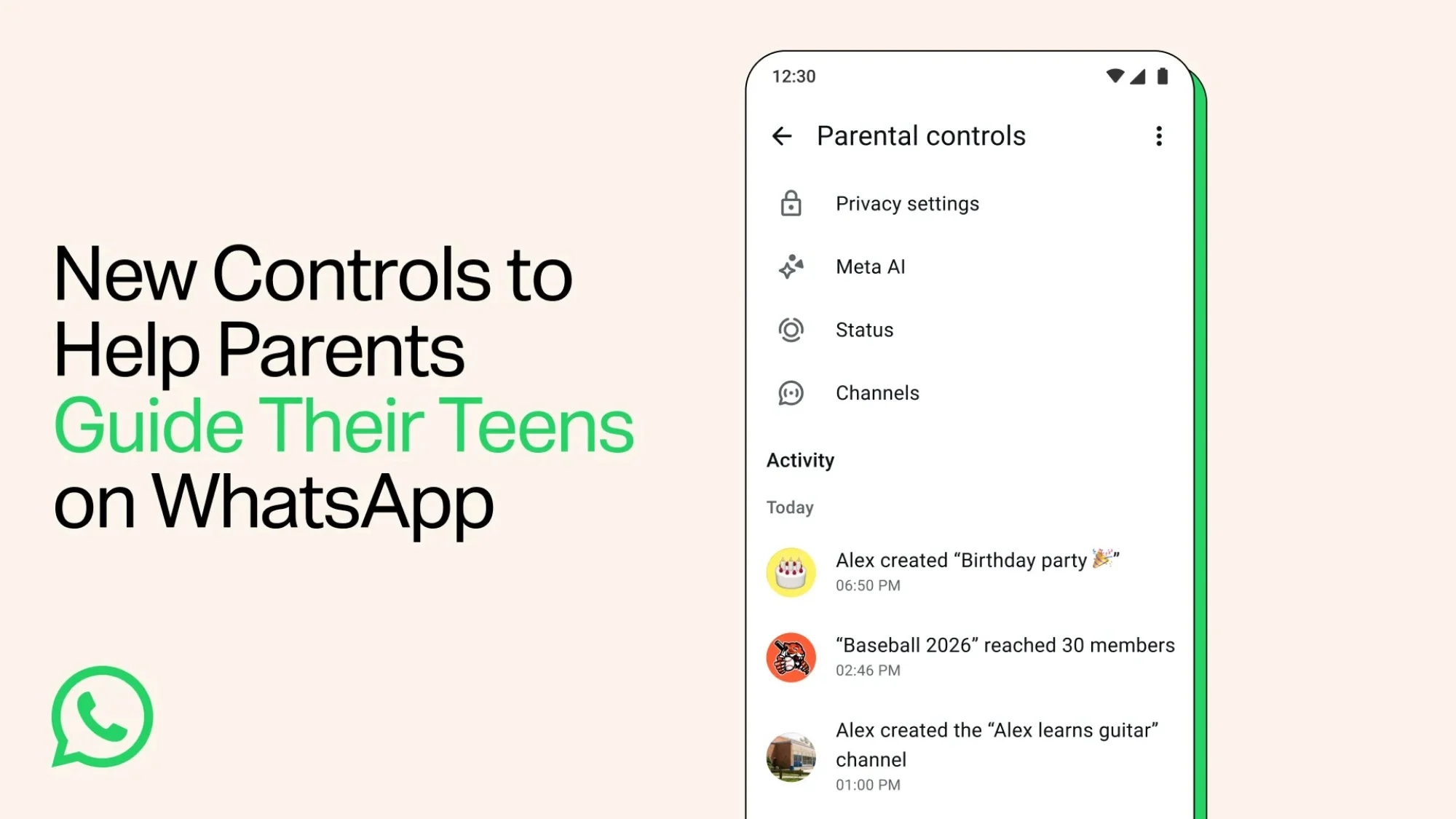
Meta has recently introduced parental controls for WhatsApp, aimed at helping parents manage the experience for their teenage children. These optional, customizable tools are designed to give families the flexibility to choose the most suitable features for their needs. Parents can control various aspects of the teen's WhatsApp account, such as privacy settings and group management.
To set up these controls, parents must link their account to the teen's, verify their adult status, and create a unique PIN. With this PIN, they can make changes to certain settings, including who can view the child's profile photo and join groups. Additionally, parents can manage the teen's usage of Channels and adjust their Status privacy settings, determining who can see the child's updates.
Notifications will be sent when the teen leaves or joins a group or when the group size significantly increases. Parents also have control over the child's Meta AI experience, selecting between the default 13+ setting or a more restrictive "Limited Content" option. Although these controls are currently optional, Meta plans to roll out more features based on parent feedback.
It is important to note that despite parental controls being enabled, the teen's calls and messages remain protected by end-to-end encryption. This new feature builds upon the introduction of parent-managed accounts earlier this year, which provides pre-teens with more limited features, primarily calling and messaging, to allow safe communication with family and trusted individuals.
Written by urgent.news from Lowyat.NET's reporting — not their text. Machine-written — may contain errors; check the original before relying on it.