How MIT students helped shape modern hacker culture in the 1950s
The roots of modern hacking and open-source culture can be traced to MIT's Tech Model Railroad Club and its students' experiments with the TX-0 computer in the late 1950s. Steven Levy's Hackers documented the community's emphasis on access, experimentation, merit and sharing. From Spacewar! and Silicon Valley hobbyists to Richard Stallman's GNU Project, these ideas helped shape collaborative…
In the late 1950s, a group of MIT students captivated by model trains were granted access to the TX-0 computer. Rather than simply submitting tasks to an operator, these students were drawn to the machine's inner workings, interacting directly with its switches, relays and control circuits. This hands-on approach marked the beginning of a new era in computing.
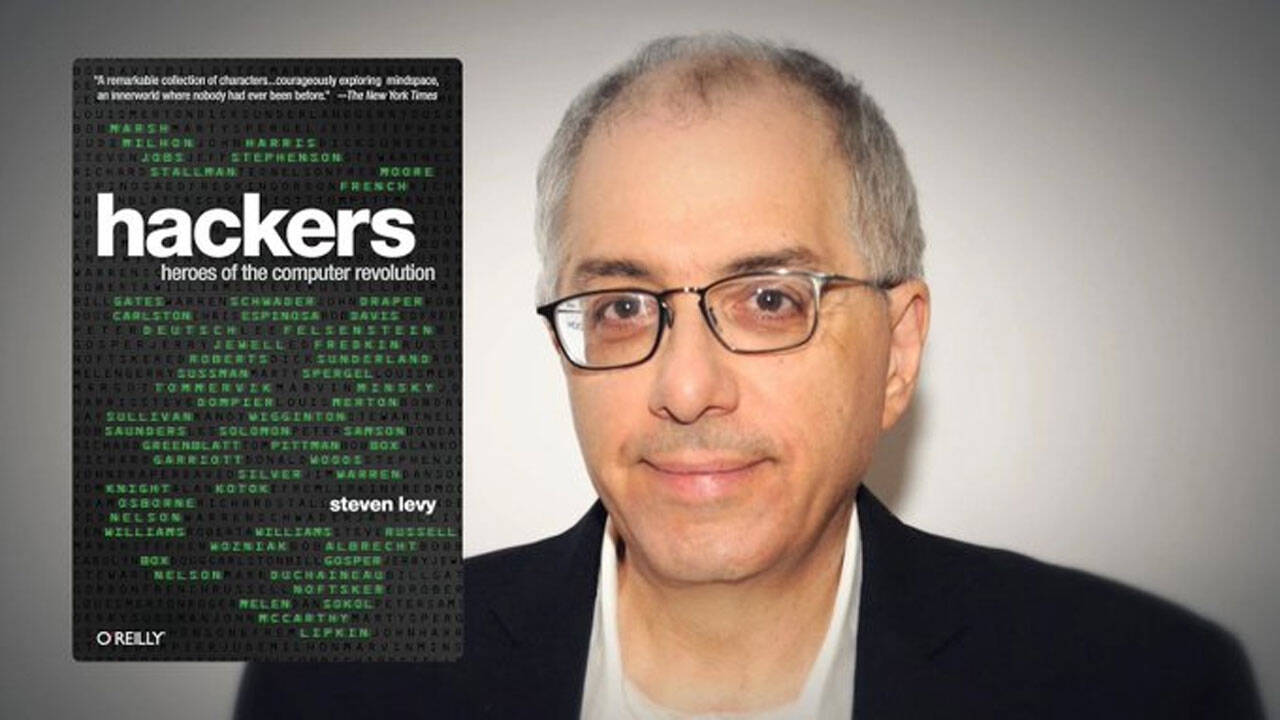
Steven Levy's 1984 book, Hackers: Heroes of the Computer Revolution, chronicled the principles that defined this early hacker culture. Among these was the belief that access to computers and information should be available to all, and that understanding systems through dismantling and examination was essential. Hacker status was judged based on accomplishments, not age, academic background or social position.
The community produced landmark programs such as Spacewar!, an early computer game created by Steve Russell and others. This program was shared among users and improved upon, a practice that diverged from today's software industry model. Code was seen as open and shareable, a concept that predated the modern "open source" movement.
MIT's influence extended beyond its borders, reaching California's burgeoning community of computer enthusiasts. Here, hobbyists exchanged hardware designs and ideas, fostering a culture of shared technical knowledge. Notably, a young Steve Wozniak, who would later co-found Apple, was among these early adopters.
However, another perspective emerged. In 1976, Bill Gates issued an open letter criticizing the widespread copying of commercial software without payment. He argued that software development required investment and that unauthorized copying diminished incentives for software creation.
These clashes over software ownership and licensing would persist for decades, shaping the ongoing debate over whether software should be treated as a commercial product or as knowledge that users can freely study, modify and share.
MIT's Richard Stallman became increasingly concerned about the restrictions imposed on software. In 1983, he launched the GNU Project, aiming to create a free Unix-like operating system. His efforts laid the groundwork for the free software movement, which later evolved into the broader open-source development landscape.
Today, collaborative software development is a cornerstone of the technology industry. Developers routinely share code, report bugs, modify projects and contribute enhancements through platforms like GitHub. While the tools and platforms have evolved, the foundational principles remain unchanged: understanding how systems work, experimenting with them, improving upon them and sharing the results.
The spirit of MIT's early hackers lives on in the shared knowledge and collaborative spirit that drive modern software development.
Written by urgent.news from Times of India's reporting — not their text. Machine-written — may contain errors; check the original before relying on it.