What’s gone wrong at Nike? How the world’s sportswear giant lost its mojo
t's been a difficult few years for Nike.
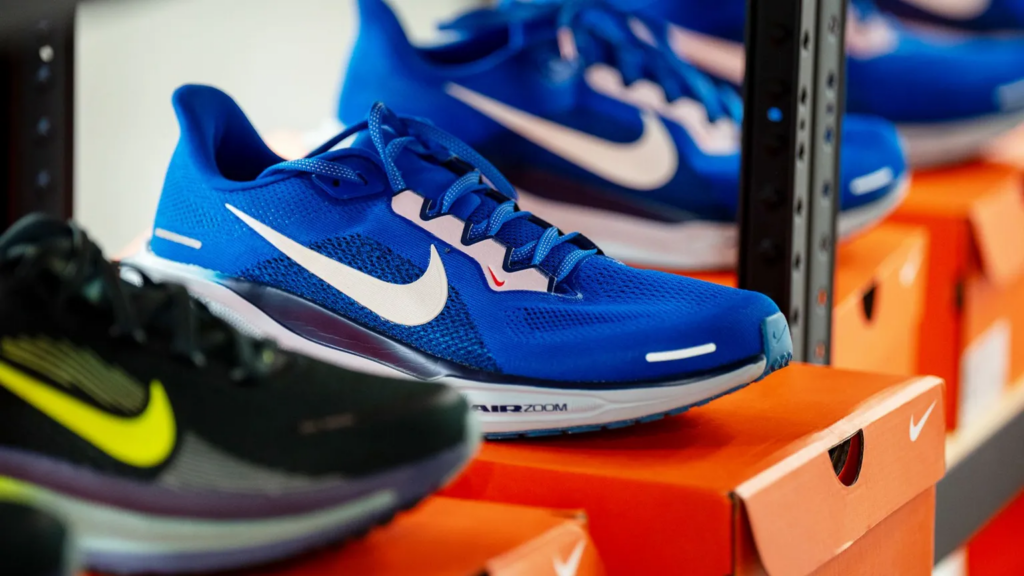
Since becoming an industry disruptor, Nike has faced a series of setbacks. Despite being the world's largest sportswear brand, the company has experienced declining sales, customer loss, and ground lost to competitors. The once-disruptive brand is now in the midst of a challenging turnaround plan, aimed at retaining its market dominance under the leadership of veteran Elliott Hill.
Nike's latest financial results indicate that changes implemented by Hill are showing results, albeit at a slower pace than a sprint. However, the recovery effort has been hampered by the loss of football star Kylian Mbappé, who ended his 20-year partnership with Nike to join Swiss rival On. This departure raises questions about Nike's ability to remain a top choice for elite athletes as well as their fans who idolize them.
While Nike remains a mega brand and popular worldwide, strategic errors have resulted in significant losses of market value, with the company's share price falling 75% over five years. In recent months, Nike was even removed from the S&P 100 index of the largest blue-chip firms in the US. To understand what went wrong and whether Hill can turn things around, Matt Powell, a veteran analyst in the sports retail industry, points to several strategic errors that have been difficult to rectify.
One of these errors includes Nike's decision to cut ties with retailers and sell products directly to customers online, while making limited-edition items more available. Powell argues that the wider availability of these shoes led to decreased interest in them. Other self-inflicted wounds include the company's focus on digital operations through research and development spending instead of new product development.
This stance has led to accusations that Nike is turning into eBay. These criticisms were directed at John Donahoe, the former eBay boss who took over as Nike's CEO, after leaving the company. Donahoe's four-year tenure coincided with the share price plunge, with sales initially surging due to pandemic restrictions boosting online shopping, but subsequent cost-of-living pressures curbing consumer spending.
As demand weakened, especially in key markets like China, Nike had to announce cost cuts and redundancies. The digital distraction allowed newer footwear firms to capitalize on emerging trends, replacing Nike's shelf space. This development came as a warning to a company that prided itself on innovation and built itself on it. Nike's association with top athletes like Michael Jordan, Tiger Woods, Serena Williams, and Cristiano Ronaldo was a significant gamble.
The company spent its entire basketball budget on Jordan before he even played in the NBA, creating the Air Jordan brand. Despite the initial success, the company has since lost its biggest footballing star, Kylian Mbappé, who joined On. Mbappé's departure highlights Nike's struggle to maintain its top athlete roster, alongside World Cup winner Lamine Yamal.
Written by urgent.news from MyJoyOnline Ghana's reporting — not their text. Machine-written — may contain errors; check the original before relying on it.