Immobilien: Krise am Immobilienmarkt trifft nun auch Gutverdiener
Experten zufolge soll die Zahl der Neubauten in diesem Jahr zehn Prozent unter dem schwachen Vorjahreswert liegen. Die wachsende Zahl an Ein- und Zwei-Personen-Haushalten verstärkt das Wohnproblem.
Germany's real estate market is facing a crisis, with the housing shortage set to worsen in the coming years, according to Felix von Saucken, the head of Colliers Germany. Even high-earning individuals now struggle to find a home in major urban centers due to a widening gap between supply and demand. This inhibits workers' relocation from rural areas, negatively impacting the economy.
Only 185,000 new homes are expected to be built this year, 10% fewer than the previous year, marking the lowest point in 13 years. The surge in costs and bureaucratic hurdles are major contributors, as are the numerous apartments handed over to owners annually, which are not available for rent. Population growth, particularly among single and two-person households, exacerbates the situation, with the number of households in the 50 largest German cities expected to increase by 408,400 by 2040.
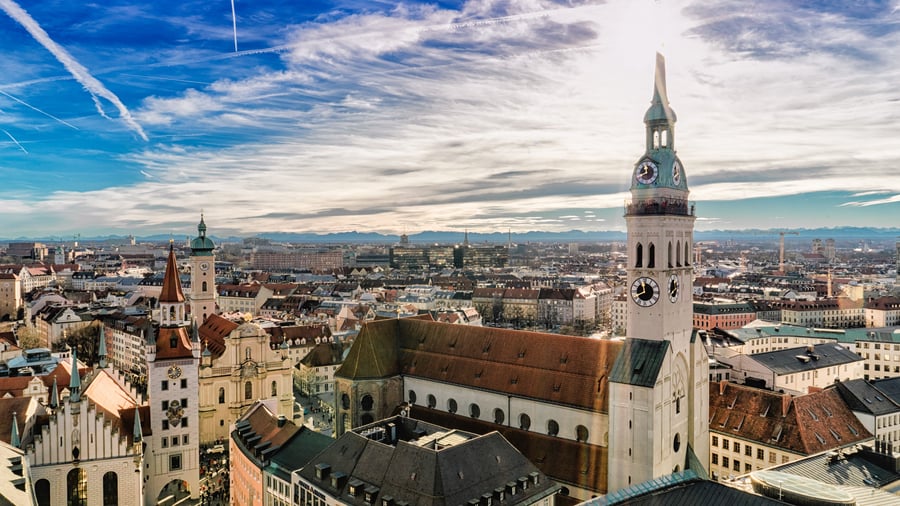
Colliers predicts an above-average rise in demand for small apartments, especially in Berlin, Hamburg, Düsseldorf, Cologne, Frankfurt, Stuttgart, and Munich, where over 5.9 million households currently reside. Despite a lack of supply and increasing demand, there are some positive signs, such as a 10% rise in the number of construction permits in 2025.
However, due to a five to ten-year gap between approval and livable status, the housing supply will remain insufficient. Rising expectations for investor returns also pose challenges, with yields of 4.5% after costs, which may not be economically viable. Competing against risk-free assets like German government bonds, which yield around 3.6%, makes real estate investments less attractive.
Higher yields for newly built properties further intensify pressures. Investors require a return of 1.5 to 2 percentage points above and beyond that.
Written by urgent.news from Handelsblatt's reporting — not their text. Machine-written — may contain errors; check the original before relying on it.