Commentary: Flydubai incident puts cockpit security under scrutiny
Aviation security measures remain relatively poorly designed for rogue pilots, compared to external threat or hijacking, say these professors.
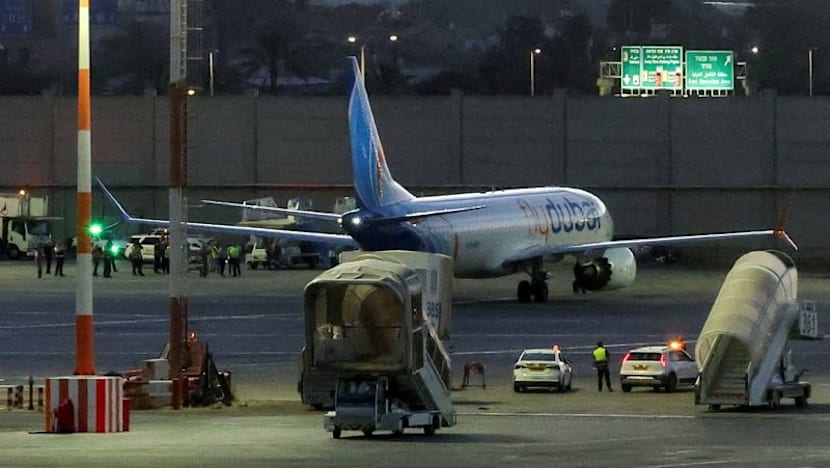
On Sep 30 (local time), Flydubai flight FZ1073 departed from Dubai International Airport on its way to Tel Aviv, Israel, carrying a passenger list predominantly composed of Israeli nationals. Two hours into the journey, the plane plummeted more than 4,000 meters within a span of one minute, followed by emergency alerts indicating an attempt of unlawful interference or hijacking.
A few minutes later, Israeli Prime Minister Benjamin Netanyahu and passengers reported that a pilot allegedly stabbed another pilot and attempted to crash the aircraft. The pilots managed to stabilize the plane and eventually made an emergency landing in Tabuk, Saudi Arabia.
Israel's defence minister, Israel Katz, later described the event as an "attempted jihadist terror attack." However, the full extent of the incident is still uncertain as Flydubai has confirmed an 'altercation,' urging people not to speculate. An investigation is underway.
The aviation industry is now grappling with the implications of this incident. It has raised questions about the effectiveness of current cockpit security measures, particularly the protection of passengers in the event of a threat originating from within the flight crew. Rapid descents like the one in this incident, while rare, are usually associated with emergency situations such as loss of cabin pressure, prompting the deployment of emergency oxygen masks for passengers.
In this case, these masks did not deploy, which may have exacerbated the passengers' fear and confusion.
The incident has also highlighted the need for a more comprehensive risk assessment, especially in light of emerging aviation trends such as single-pilot flights, remote pilot operations, and potential pilotless aircraft. The industry must now consider the possibility of the pilot as a security threat, which was not a primary focus in most training programs.
Written by urgent.news from Channel News Asia's reporting — not their text. Machine-written — may contain errors; check the original before relying on it.
Also reported by 1 other outlet
- Saudi hands Omani co-pilot in Flydubai flight incident to UAE timesofindia.indiatimes.com