U.S. trade court scrutinizes Trump’s forced labour tariffs
Four small businesses and 25 Democratic-led states argue that the tariffs, applied to imports from 60 trading partners, including Canada, far exceed the president's authority.
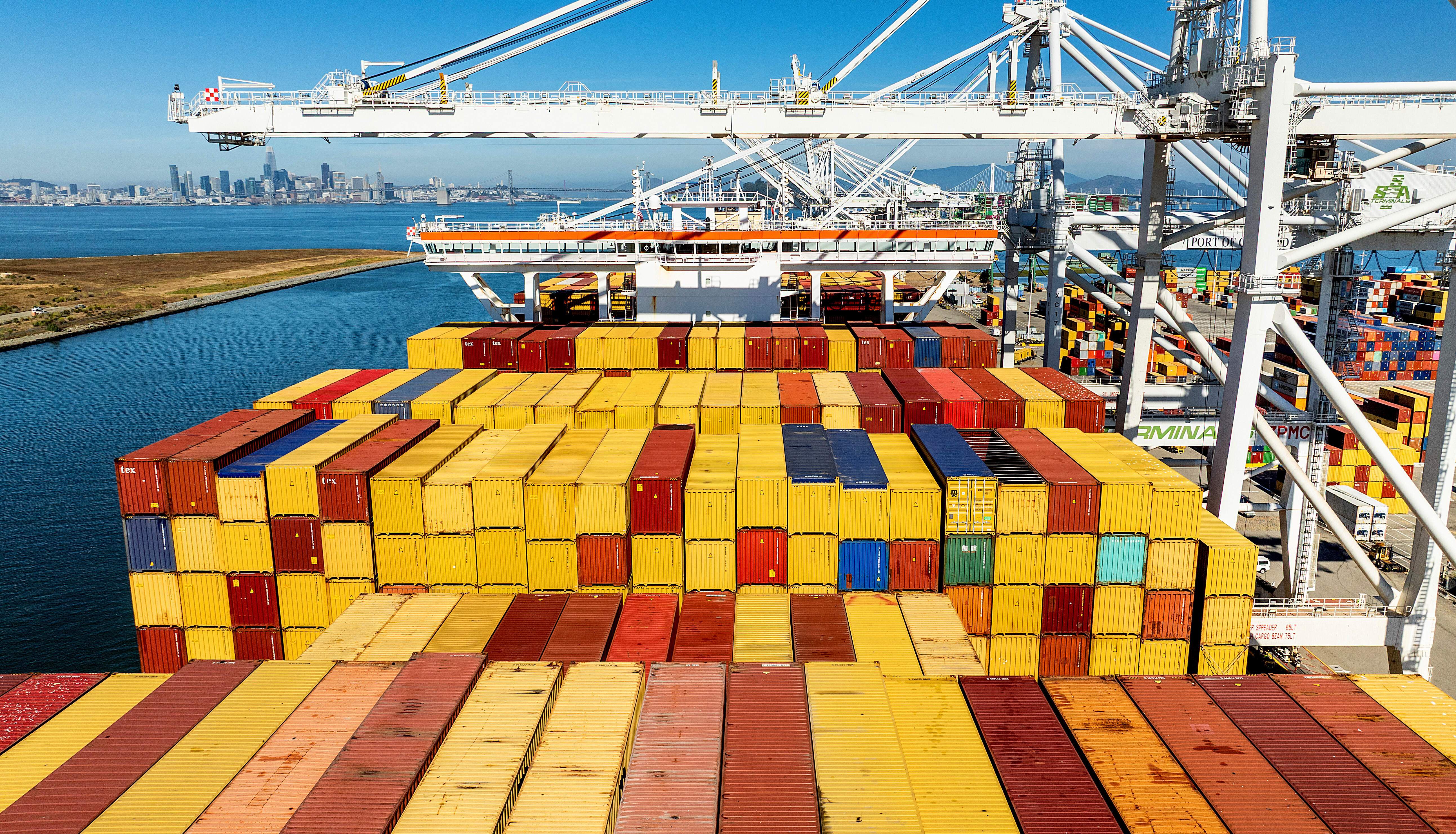
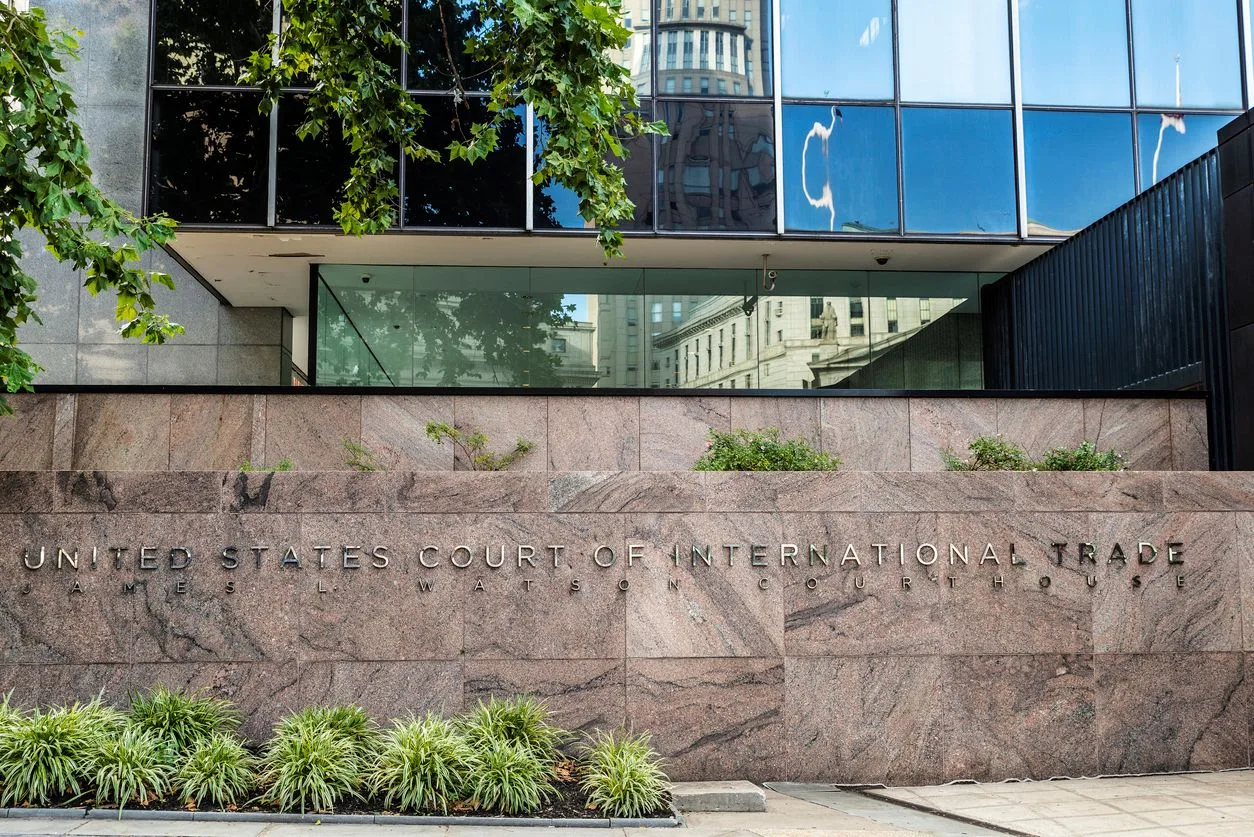
The U.S. Court of International Trade examined the legal and factual basis for President Donald Trump's recent global tariffs on nearly all U.S. imports, alleging that trading partners are not doing enough to address forced labor. A panel of three judges, appointed by Presidents Trump, Barack Obama, and Joe Biden, heard arguments in Manhattan about lawsuits claiming the tariffs are an effort to restore unchecked tariff power previously curtailed by the Supreme Court.
Four small businesses and 25 Democratic-led states argue the tariffs far exceed President Trump's authority. Pratik Shah, representing the plaintiffs, stated the Trump administration has misused a law offering only "carefully constrained" tariff authority. He criticized the administration's swift imposition of tariffs without making country-specific findings justifying each tariff.
In contrast, Eric Hamilton, representing the U.S. Department of Justice, asserted the Trade Representative had thoroughly evaluated goods produced with forced labor in international commerce, noting a legal standard does not require a "metaphysical certainty" that forced labor burdens U.S. commerce. The judges interrupted both sides early in the proceedings, questioning the level of detail required in the investigation into forced labor abroad.
They inquired whether Shah demanded "more paper" from the government and whether Hamilton ignored more specific statutory requirements regarding forced labor, instead relying on broader "unreasonable" trade practices authority. Trump has frequently used tariffs as a foreign policy tool, but the Supreme Court ruled against most of his broadest tariff measures in February.
The administration immediately imposed a temporary 10% global tariff under a different law when those tariffs expired. The tariffs now under scrutiny range from 10% to 12.5% and are challenged on the grounds that the administration failed to meet legal requirements for imposing them and is using the forced labor argument to revive a broad tariff authority repeatedly rejected by U.S. courts.
Written by urgent.news from Global News's reporting — not their text. Machine-written — may contain errors; check the original before relying on it.
This story
This is one outlet's version. Read the fullest account.
- G20 trade ministers open talks under strain of Trump tariffs bangkokpost.com
- U.S. trade court scrutinizes Trump’s forced labour tariffs globalnews.ca
- Trump's Section 301 forced-labor tariffs are being challenged in trade court again qz.com
- Modi, Trump discuss bilateral cooperation in trade, defence, energy, critical technologies thehindu.com
- Spoke To Trump, Reviewed Trade, Defence Cooperation: PM Modi ndtv.com
- G20 trade ministers open talks under strain of Trump tariffs freemalaysiatoday.com
- PM Modi, Trump review bilateral ties; discuss global peace, trade, defence hindustantimes.com
- Trump trade adviser’s outburst makes Carney laugh: ‘I take note of both comments. How’s that?’ nationalpost.com