Turn Energy Efficiency Into Strategic Advantage
Grundini/Ikon Images The Research The authors interviewed 39 executives representing 10 countries and multiple industries and hosted an online workshop with 36 executives responsible for enterprise data to learn how their companies were using digital technologies and data to address their sustainability challenges. In addition, they surveyed 360 respondents in Swiss manufacturing companies twice…

The authors conducted extensive research, interviewing 39 executives from various countries and industries, and organizing an online workshop with 36 executives in charge of enterprise data. They also surveyed 360 respondents in Swiss manufacturing companies twice to understand their approach to energy efficiency. The geopolitical conflict between the U.S. and Israel against Iran led to a surge in crude oil prices, from $67 in early March to $112 in early April, with a 25% year-over-year increase by early June.
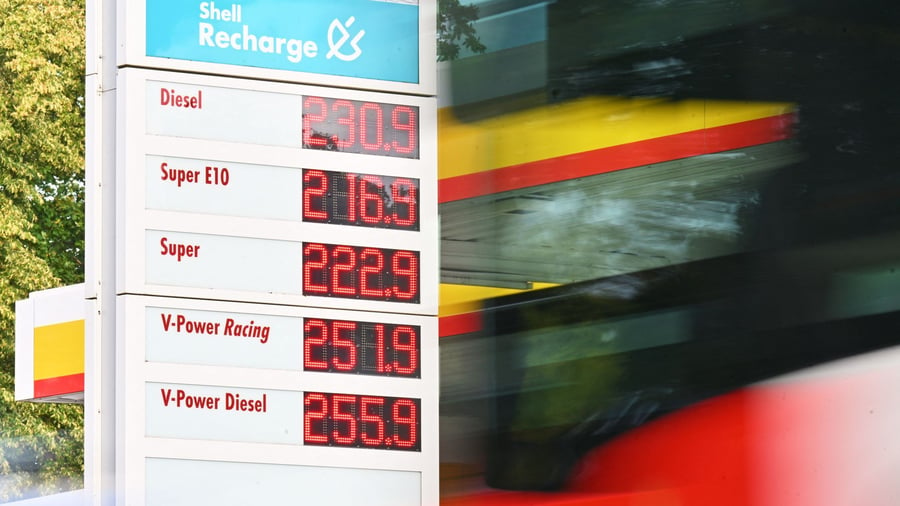
Despite the volatility, energy costs have been steadily rising since 2022, putting pressure on profit margins.
Energy-intensive industries like cement, chemicals, and metals consume a significant portion of industrial energy. Even companies with relatively lower energy consumption are affected by rising fuel and power costs. This pressure to reduce costs is expected to spur corporate efforts to improve energy efficiency, which can lead to measurable cost savings, resilience enhancement, and growth opportunities.
Our research found that energy efficiency can lower per-unit manufacturing costs, reduce sensitivity to energy-price volatility, and maintain margins during energy shocks. Companies that implemented energy efficiency measures reported energy use reductions of up to 50% at some facilities and efficiency gains of 10% to 20% in core industrial processes. However, these improvements were not achieved through isolated upgrades but rather through a comprehensive strategy that integrated various enhancements.
To effectively manage energy costs and leverage digital capabilities, successful companies follow three key strategies. First, they invest in collecting and analyzing energy use data from across their operations and ecosystems, making it accessible to managers. They achieve this by utilizing sensors, dashboards, and centralized data platforms for real-time energy management and cross-site benchmarking.
Second, they redesign their operations and systems to optimize energy use, minimize waste, and reduce dependence on energy-intensive inputs. By incorporating advanced analytics and AI into daily workflows, they can continually improve efficiency. Lastly, these companies tend to create products and services that support their customers' energy efficiency goals.
In our study, we explored energy efficiency practices among the companies we surveyed and provided insights on how managers can adopt similar approaches.
Written by urgent.news from MIT Sloan's reporting — not their text. Machine-written — may contain errors; check the original before relying on it.