The Ethernet spec was first drafted on this day in 1980
On this day in 1980, version 1.0 of the Ethernet specification was published by Digital Equipment Corporation (DEC), Intel, and Xerox.
On this day in 1980, Digital Equipment Corporation (DEC), Intel, and Xerox collaborated to publish version 1.0 of the Ethernet specification. This 'DIX' standard emerged nearly three years before the modern internet came into existence. Despite being in an experimental stage since the 1970s at Xerox PARC, Ethernet gained traction due to the DIX agreement, enabling vendors to incorporate Ethernet connectivity without compatibility concerns.
Initially, computer manufacturers were hesitant to integrate network adapter technology due to the fear of wasted investment in non-standard components. However, the DIX standard removed these barriers, allowing Ethernet to become the default technology for connecting computers in local networks worldwide. Over time, Ethernet underwent refinements and upgrades to maintain its competitiveness and relevance in the ever-evolving digital landscape.
In 1980, Ethernet operated using coaxial cable wiring with a top speed of 10 Mbps. A year later, the introduction of BNC connectors further enhanced Ethernet's adaptability. The first RJ45 implementation, which is still prevalent today, emerged in 1990 alongside the integration of 10BASE-T twisted-pair cabling, retaining a speed of 10 Mbps.
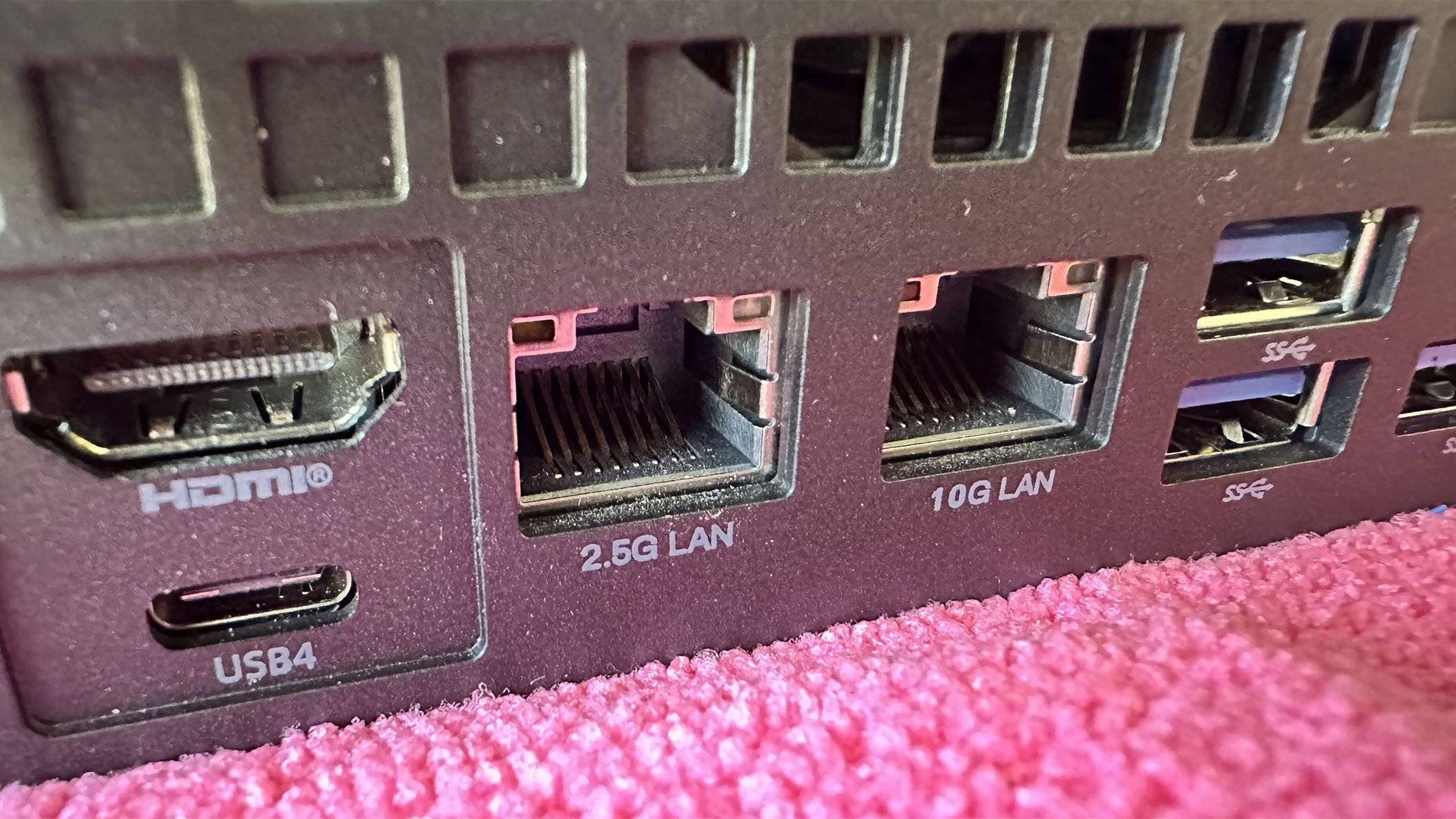
By 1995, data speeds had skyrocketed tenfold, reaching 100 Mbps. Just four years later, the debut of Gigabit (1 Gbps) Ethernet marked another significant leap in performance. Nowadays, high-speed Ethernet ports labeled 2.5G and/or 10G are commonly found in PCs, with the latter requiring Cat6a or better cabling for optimal performance.
Despite the advent of Wi-Fi 7, wired Ethernet remains the preferred choice for those prioritizing speed, low latency, and stability. From enthusiasts and home labbers to gamers and professionals, the demand for reliable wired connections persists, even in the era of wireless networking. While some smaller form factor devices may offer Wi-Fi 7 but lack RJ45 networking ports, users may still opt to utilize USB Type-C to RJ45 Ethernet dongles when wired connectivity is available.
Written by urgent.news from Tom's Hardware's reporting — not their text. Machine-written — may contain errors; check the original before relying on it.