Stocks temper gains as oil pares heavy losses, US data in focus
Investors shrug off a Wall Street retreat ahead of crucial US inflation data that could influence the Federal Reserve's interest-rate decisions.
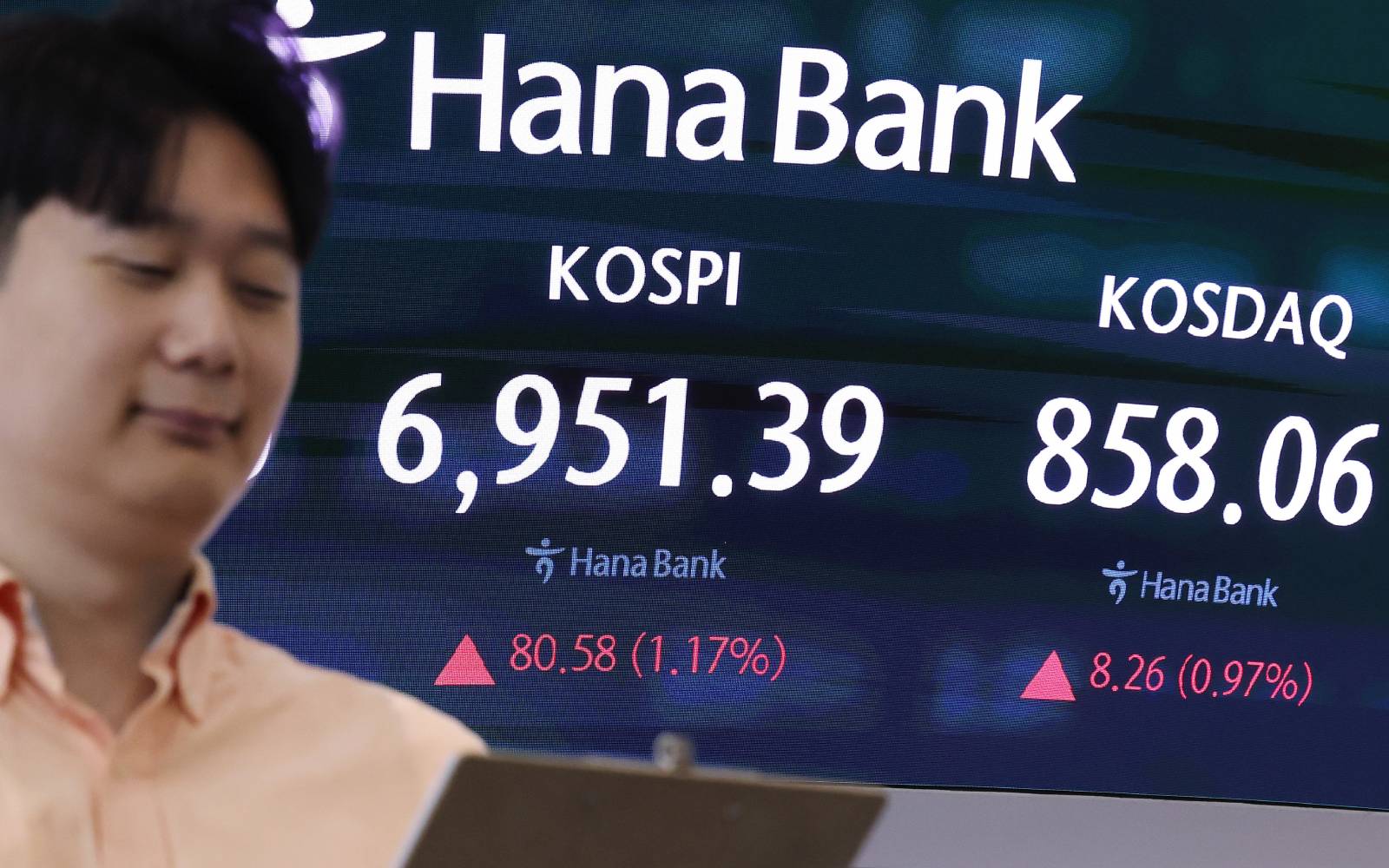
Stocks experienced mixed gains on Wednesday after a decline in oil prices the previous day, but the gains were dampened by a slight rebound in the commodity in Asian trading. Investors remained unfazed by the Wall Street decline as they prepared for the release of important US inflation data later in the day, which could significantly impact the Federal Reserve's decision on interest rates for the following month.
Both major crude contracts saw a drop on Tuesday due to lingering hopes for a resolution to the US-Iran war, which would restore the Strait of Hormuz, even though negotiations remained stalled and both parties provided inconsistent information. The news that Saudi Arabia had resumed nearly half of the flow through its East-West pipeline, following its closure this month due to drone attacks, also provided a significant boost.
Additionally, the Trump administration ordered the release of more oil from US emergency reserves. Although Brent crude fell more than two percent and West Texas Intermediate more than three percent, dropping below US$90 a barrel, both commodities managed to recover in early Asian trading. Tokyo, Shanghai, Sydney, Seoul, Wellington, Taipei, Singapore, and Manila all experienced slight increases.
Chinese factory activity data revealed a rise this month for the first time since June, but there was limited movement after that. The increase in crude prices has heightened inflation concerns and pressured central banks to raise interest rates. This has led to 30-year Treasury yields reaching a 24-year high of 5.6% and the 10-year yield surpassing 5.2%, which is its highest level since 2007.
Although a decline in crude prices should typically benefit risk, it has not had a substantial impact on the overall equity market. Chris Weston of Pepperstone noted that despite the lack of progress towards a diplomatic solution in the Middle East, oil supply and flows are gradually returning to pre-conflict levels. The combination of the Trump administration's decision to release additional barrels from the strategic petroleum reserve has driven a substantial shift in crude prices.
Investors are now eagerly awaiting the release of personal consumption expenditure data for October, which is expected to have a significant impact on the Federal Reserve's decision-making process during its policy meeting at the end of the month. While the jobs market is considered crucial, officials are primarily focused on controlling inflation, and an inflation reading higher than expected could make a second consecutive interest rate hike almost inevitable.
However, New York Fed President John Williams suggested there could still be a chance of a rate hike this year, stating that the September increase provided policymakers with the necessary flexibility to consider the upcoming data. He added, "The policy action we took at our September meeting, there is no need for urgency, and we have time to gather more information."
Written by urgent.news from Free Malaysia Today's reporting — not their text. Machine-written — may contain errors; check the original before relying on it.
Also reported by 1 other outlet
- Stocks temper gains as oil pares heavy losses, US data in focus freemalaysiatoday.com