Steel Stocks Soar on $54 Billion Alaska LNG Investment Hopes
Steel and pipe-related stocks rallied sharply in South Korea on the morning of Sept. 30, following reports that U.S. President Donald Trump was expected to announce South Korea’s large-scale investment plan in the United States, boosting investor sentiment.As of 9:34 a.m., Dongil Steelux had surged
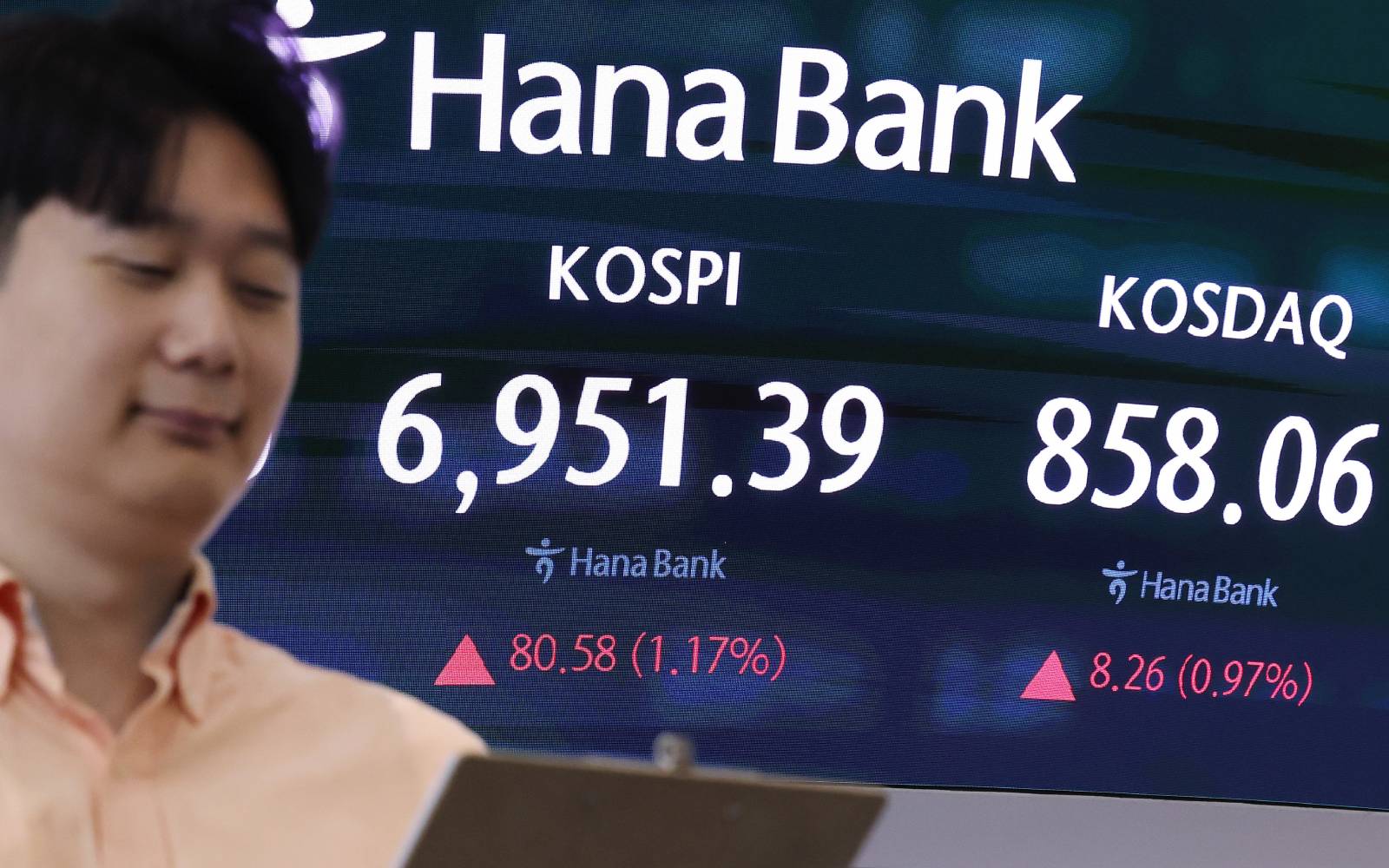
On September 30, steel and pipe-related stocks experienced a sharp rally in South Korea amid expectations of a large-scale investment plan in the United States by South Korea, led by U.S. President Donald Trump. As early as 9:34 a.m., Dongil Steelux surged 29.99% to 1,764 won, hitting the daily upper price limit on the KOSDAQ. The main KOSPI market also saw significant gains, with KBI Dongyang Steel Pipe up more than 20%, and several other steel stocks rising between 6% and 10%.
The rally was driven by hopes for the $200 billion investment plan, of which $54 billion was reportedly allocated to the Alaska liquefied natural gas (LNG) project. The Alaska LNG project, a major energy development initiative, would transport natural gas from Alaska's North Slope to Nikiski in southern Alaska via a 1,300-kilometer pipeline, where it would be liquefied for export.
If the project proceeds, it could create substantial demand for steel pipes and other steel products, potentially benefiting South Korean companies in the sector. Additionally, improved earnings for small and midsize steelmakers were expected, as higher raw material costs, such as iron ore prices, could be reflected in product prices, while a more stable exchange rate could alleviate cost pressures.
Despite this positive outlook, concerns remain regarding whether domestic companies will ultimately benefit from the project. The South Korean government has deemed the Alaska LNG project a matter for further consultation, leaving the scope of Trump's announcement and subsequent negotiations to be determined. A securities industry official cautioned investors to adopt a selective approach, closely monitoring raw material price volatility and downstream industry demand recovery.
Written by urgent.news from BusinessKorea's reporting — not their text. Machine-written — may contain errors; check the original before relying on it.