Radiotherapy trials shape future treatments of brain metastases
Studies presented at the ASTRO 2026 meeting provide new evidence that could help inform radiation treatments of patients with brain metastases The post Radiotherapy trials shape future treatments of brain metastases appeared first on Physics World .
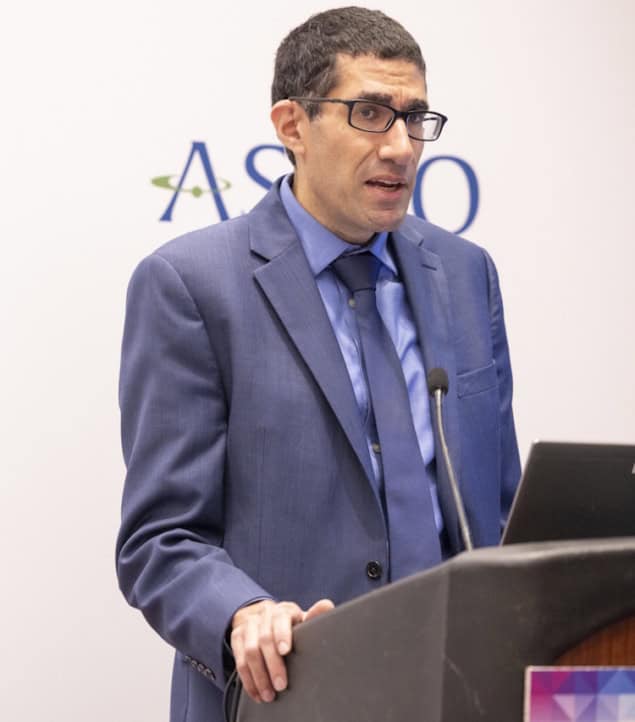
At the ASTRO 2026 conference in Boston, researchers unveiled promising findings from clinical trials that could transform how brain metastases are treated. Brain metastases, cancer cells that spread to the brain from other parts of the body, are often addressed through surgery or radiotherapy. The preferred method for most cancers is stereotactic radiosurgery (SRS), which delivers precise, high-dose radiation to individual lesions while sparing healthy brain tissue.
Studies have demonstrated that SRS results in better cognitive preservation and quality of life compared to whole-brain radiotherapy (WBRT), which irradiates the entire brain.
However, for brain metastases caused by small cell lung cancer (SCLC), a rare and aggressive form of cancer, WBRT has been the standard-of-care. A recent phase III randomized trial challenged this approach. Chad Rusthoven from the University of Colorado Anschutz School of Medicine presented the results of the clinical trial comparing SRS versus WBRT for SCLC brain metastases.
After adjusting for patient and disease characteristics, the study found that SRS was associated with a 40% lower risk of death than WBRT. Despite recent advancements, including the use of memantine to protect cognitive function and hippocampal avoidance techniques to minimize damage to the hippocampus, whole-brain treatment strategies have not significantly improved outcomes.
The NRG-CC009 trial, involving 151 patients from the United States and Canada, randomly assigned participants to receive either focused SRS or hippocampal avoidance WBRT plus memantine. The primary endpoint, the time before cognitive decline, showed no significant difference between the two groups. However, patients treated with SRS had a median overall survival of 17.4 months, compared to 8.6 months for those in the WBRT group.
Serious treatment-related side effects or deaths from neurologic causes were similar in both cohorts. These findings support SRS as a viable treatment option for patients with brain metastases from SCLC, addressing a long-standing concern that omitting WBRT might lead to worse overall survival in this population.
Written by urgent.news from Physics World's reporting — not their text. Machine-written — may contain errors; check the original before relying on it.