Children Are Back in School. Measles Is, Too
Now that children are back in school, we must use the tools we know work to keep this preventable disease out of the classroom, writes Dr. Debra Houry.
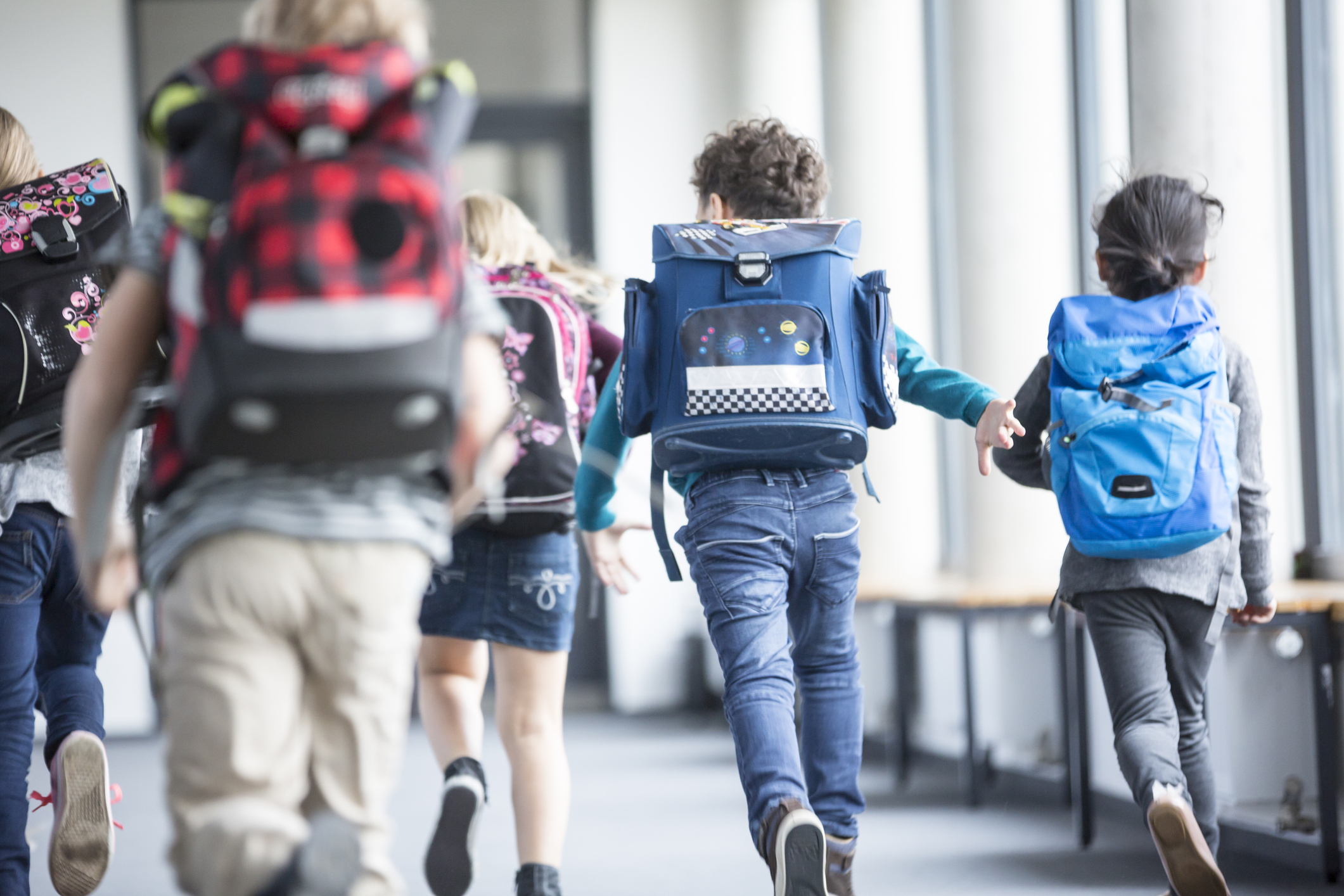
As children across the United States return to school this fall, a worrying resurgence of measles cases has emerged, a disease that has not been a significant threat in the U.S. for 35 years. Tragically, children have already succumbed to the virus, with 10 new infections linked to a single daycare in Georgia in just the last month.
This resurgence highlights the importance of vaccination, yet the U.S. Centers for Disease Control and Prevention (CDC) has largely remained silent on the issue, focusing on other health topics such as sleep, exercise, and bullying.
The CDC's lack of emphasis on vaccination is particularly concerning given the vulnerability of students to measles, a highly contagious and dangerous virus. During previous outbreaks, the CDC has advised families to ensure their children are up-to-date on routine vaccinations, but this vital message is now absent from their back-to-school communications.
In late August, PA reported two measles-associated deaths to CDC, but these deaths have since disappeared from CDC's national dashboard without clear explanation. This absence of vital information raises questions about transparency and the CDC's commitment to providing accurate data to families in need.
There is disagreement between federal and state officials about how to classify measles deaths, further complicating the situation. The CDC has acknowledged it is working to clarify its definitions, but until then, the public remains in the dark about the true severity of the outbreak. Former leaders of the National Center for Health Statistics have criticized these changes, claiming they delay reporting and add to confusion among the public.
One dose of the measles, mumps, and rubella (MMR) vaccine is approximately 93% effective, while two doses are about 97% effective in preventing measles. Unfortunately, national MMR coverage among kindergartners has declined, with approximately 280,000 children entering school without proof of completing the MMR series. This lack of vaccination leaves communities at risk of widespread outbreaks, as each case can expose dozens of classmates, teachers, and siblings, particularly young infants who are too young to be vaccinated.
The impact of measles extends beyond the individual case, with public-health costs averaging $58,600 per case, including contact tracing, quarantines, and other measures. Moreover, measles can lead to "immune amnesia," making children more susceptible to other infections for up to three years after recovery, and in rare cases, can cause subacute sclerosing panencephalitis, a brain disease that is fatal in one out of every 10,000 people who recover from measles.
Rather than debating numbers and classifications, federal health leaders should be using their platforms to prevent the spread of measles and provide clear, transparent guidance to parents and schools. Vaccination is the most effective tool we have to combat this outbreak, and the CDC has the responsibility to ensure accurate and timely reporting to protect public health.
Written by urgent.news from Time's reporting — not their text. Machine-written — may contain errors; check the original before relying on it.