Japan to survey animal cafes over welfare, public health concerns
Exotic animal cafes are popular with tourists, but researchers warn of welfare concerns and trade involving threatened species.
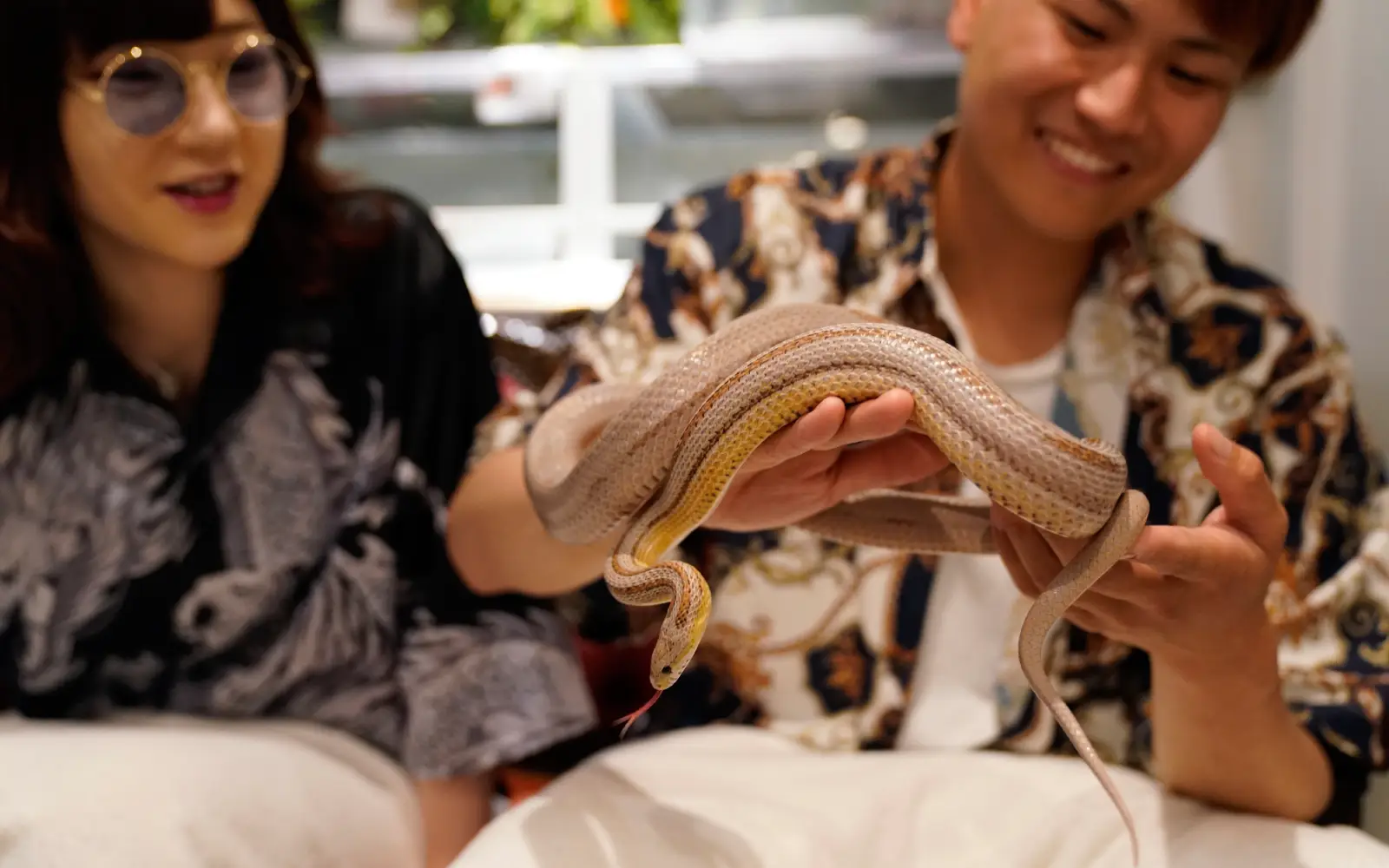
Japan has initiated its inaugural nationwide survey of animal cafes to address growing concerns over animal welfare, hygiene, and public health, according to a government official. The desk-based survey, initiated this month, aims to assess the number of facilities, the types of animals housed, their living conditions, and visitor interactions.
Exotic animal cafes, offering encounters with creatures ranging from otters to owls and marmots, have attracted both Japanese and foreign tourists. However, researchers warn that some establishments house threatened species, raising concerns about animal welfare and wildlife trade. Japan lacks specific regulations governing these cafes and the care of exotic species, noted Takuya Ishikawa, an official from the environment ministry.
There has been significant public interest, including from animal welfare groups, which have shared their research findings with the ministry. Government advisors have also expressed concerns about potential issues at such cafes. The survey will encompass cafes with domesticated animals like cats and dogs as well. The government also intends to launch a public awareness campaign to acknowledge its shortcomings in informing the public about the risks associated with interacting with exotic animals.
This move has been welcomed by some in the industry, with Syaina Nozaki, manager of Owl Otter Cafe in Kamakura, expressing hope that regulations will help differentiate responsible operators from those solely driven by profit. Japan, ranking as the world's second-largest importer of live reptiles and mammals by value in 2024, has a thriving domestic pet market.
A recent report by the World Wildlife Fund and Hokkaido University revealed that about 80 registered wildlife animal cafes in Tokyo and Osaka, three-quarters also registered to sell animals. Researchers visiting 25 cafes found over 1,700 animals on display, with 27% being threatened species. Over 90% of the cafes showcased animals deemed at high risk of causing injury, and samples from four cafes tested positive for enterohemorrhagic E coli (EHEC), causing bloody diarrhea.
Written by urgent.news from Free Malaysia Today's reporting — not their text. Machine-written — may contain errors; check the original before relying on it.
Also reported by 1 other outlet
- Japan to survey animal cafes over welfare, public health concerns freemalaysiatoday.com