US ends Iraq mission as ISIS threat fades and Iran influence grows
The US military on Wednesday will officially end its anti-ISIS operations in Iraq, concluding a 12-year mission to defeat the Islamist extremists. Operation Inherent Resolve was, by many measures, a success. ISIS is now reduced to a shadow of its former self, its self-proclaimed "caliphate" in Syria and Iraq long gone. But the completion of the latest chapter of America's military involvement in…
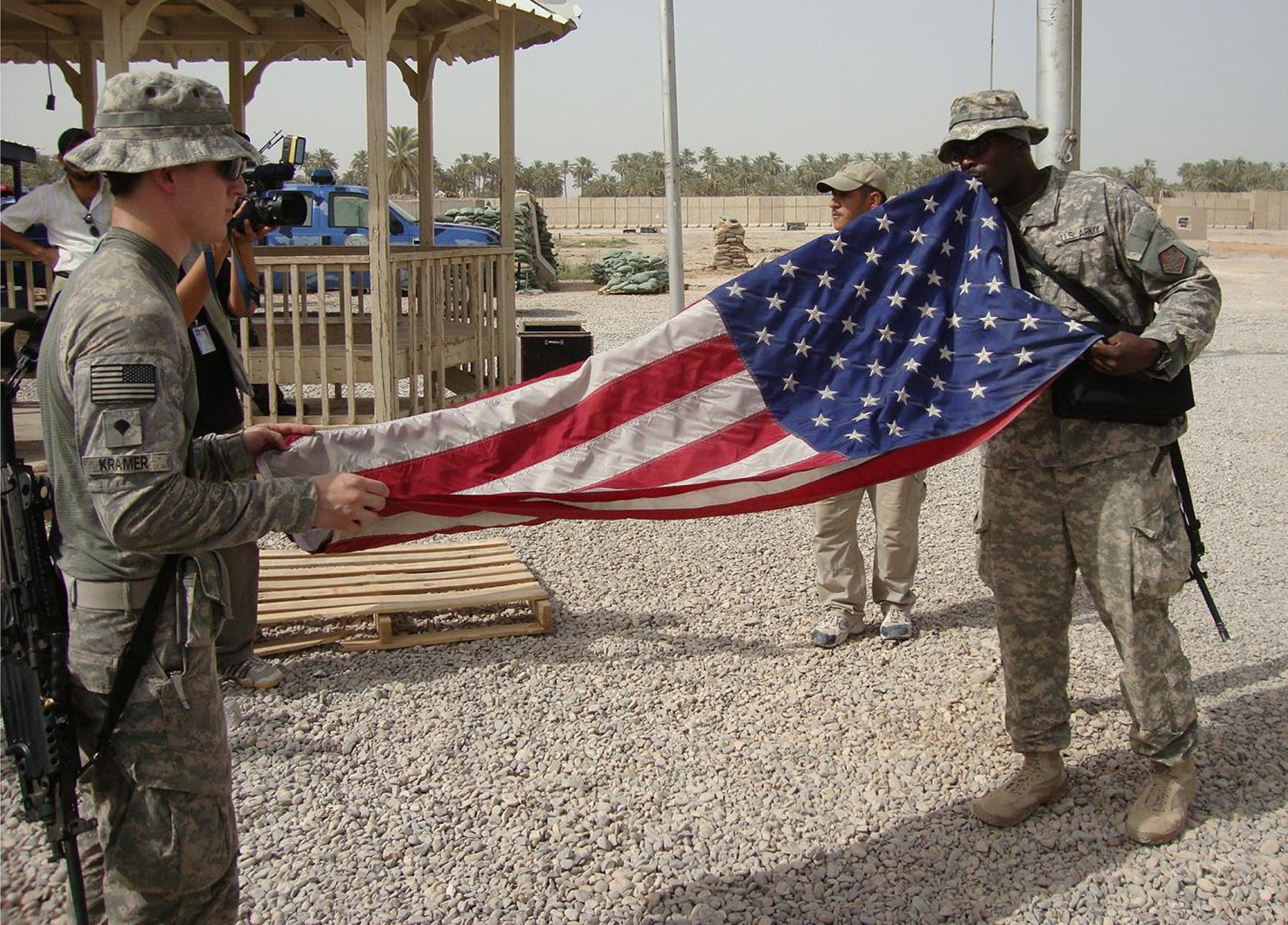
On Wednesday, the United States military will officially conclude its 12-year anti-ISIS mission in Iraq. Known as Operation Inherent Resolve, the endeavor successfully diminished ISIS to a shadow of its former self, eliminating their self-proclaimed caliphate in Syria and Iraq. However, the withdrawal brings new challenges, particularly concerning Iran's growing influence in the region.
While the removal of US forces removes a significant target for Iran-backed militias, potentially reducing the cycle of violence and fostering short-term stability, it also ends a key check on Iranian influence in Iraq. Iran has long supported Iraqi political groups, security forces, and the Popular Mobilisation Forces, and will likely increase its involvement now that the US presence is waning.
As Michael Knights, a strategic advisor, noted, "The Iranians are maintaining interest in Iraq, and the US is losing interest, and whenever that happens, it's not a good outcome, typically."
Despite the withdrawal, there may be a silver lining. The US departure could deprive Iran-backed groups of their justification for maintaining arms. However, in the short term, there will be some degree of PR win for Iran and its proxies, along with new vulnerabilities for Iraq's Kurds, who will lose air defences previously protected by US forces.
Iraq has maintained close ties with both the US and Iran, sometimes using Iraqi territory as a proxy battlefield. Prime Minister Ali Al Zaidi initially set a deadline for Iran-backed militias to be disarmed by September 30, but this has been pushed to the end of June 2027. Although Washington views Al Zaidi as inexperienced, it will adopt a hands-off approach to disarming militias, as long as they don't attack US interests.
While the US aims to remain pragmatic, the situation may change if Iran-backed militias continue to help Iran and target US interests, particularly in Saudi Arabia. Kurdish commander Sirwan Barzani expressed concern that without US intelligence, logistical support, and drones, ISIS could regroup and potentially increase its morale.
Written by urgent.news from The National UAE's reporting — not their text. Machine-written — may contain errors; check the original before relying on it.
This story
This is one outlet's version. Read the fullest account.
- US ends Iraq mission as ISIS threat fades and Iran influence grows thenationalnews.com