75 years of 17 Squadron: Kargil to Sindoor, how the Indian Air Force owned the skies
On May 27, 1999, Wing Commander B S Tony Dhanoa received a call while in the Officers' Mess dining hall at Air Force Station, Srinagar. The caller, Air Vice Marshal Tej Mohan Asthana, reported that Flight Lieutenant Kambampati Nachiketa was "safe," but Squadron Leader Ajay Ahuja was no more. During the Kargil war, Nachiketa's MiG-27 experienced an engine flameout while on a strike mission over the Batalik sector.
Ahuja, the Flight Commander of No. 17 Squadron, volunteered with his MiG-21 to locate Nachiketa's wreckage in order to guide a helicopter to rescue him. However, while orbiting the crash site, Ahuja's MiG was struck by a Pakistani Stinger missile and went down in flames. Ahuja ejected safely but landed in Pakistani territory, where his body was returned a day later.
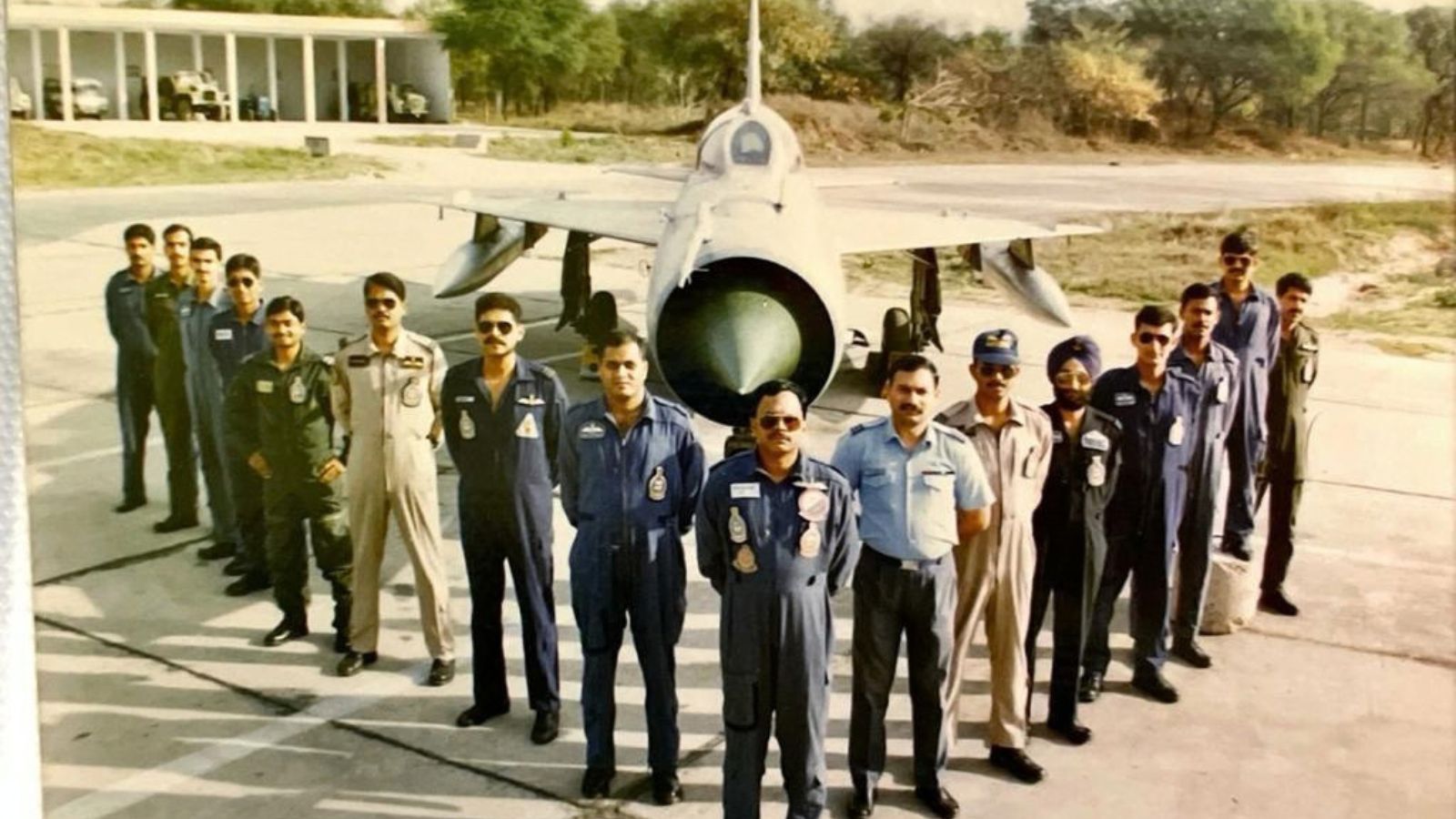
Since then, every May 27, there has been a call from Dhanoa, who later became Air Chief Marshal, to Ahuja's wife, Alka Ahuja. The strong camaraderie between the pilots of No. 17 Squadron, one of the Indian Air Force's elite fighter units, is credited for their numerous successful operations, including the 1961 Goa Liberation, the 1965 and 1971 India-Pakistan wars, the Kargil conflict, and more recently, the Balakot strikes and Operation Sindoor.
No. 17 Squadron is celebrated for its legendary status, which was further popularized through Netflix's dramatized representation of the IAF's air campaign over Kargil in 1999, dubbed Operation Safed Sagar. This year, on October 1, the Golden Arrows mark their 75th anniversary since taking to the skies at Ambala in 1951.
Written by urgent.news from The Indian Express's reporting — not their text. Machine-written — may contain errors; check the original before relying on it.