‘Hold the status quo’? US Congress reviews Xi-Trump summit outcomes
Chinese President Xi Jinping’s three-day state visit to Washington is over, but China watchers in Congress and the US-China policy community are still parsing a wide range of outcomes, with two more leadership summits expected before the end of the year. The talks between Xi and US President Donald Trump produced a series of joint announcements, including an extension of the US-China trade truce,…
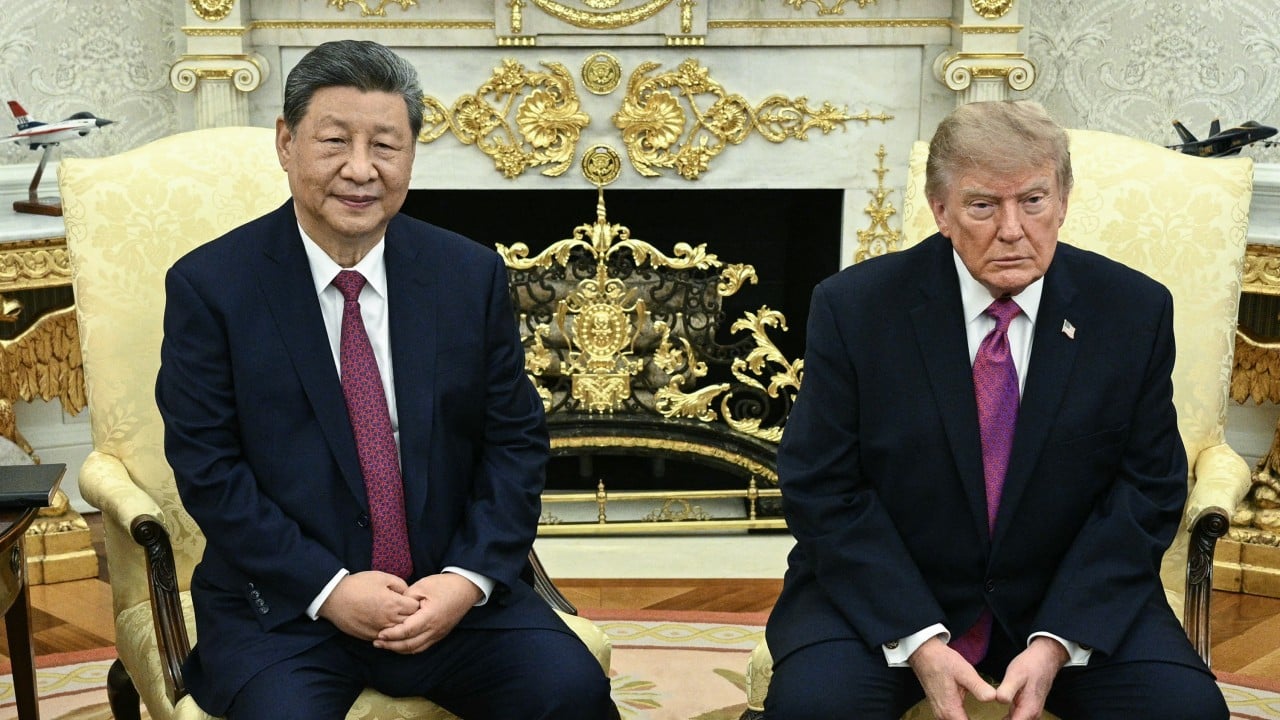
The United States Congress is reviewing the outcomes of President Xi Jinping's three-day state visit to Washington, with various perspectives on the results. During the summit, China and the US announced several joint agreements, including an extension of the US-China trade truce, new investment commitments, and continued dialogue on artificial intelligence.
The visit also saw the agreement to maintain high-level engagement and measures regarding visas, fentanyl precursors, and the exchange of giant pandas. However, some American China watchers argue that the outcomes fell short of a major breakthrough and were more about managing tensions rather than resolving fundamental differences between the two nations.
Mike Kuiken, the vice-chair of the US-China Economic and Security Review Commission, suggested that the summit focused on "how do we hold the status quo in place" and expressed doubt about significant breakthroughs being achieved. The two sides agreed to reduce tariffs on non-sensitive goods worth approximately $30 billion each way and established an agricultural trade working group.
On sensitive political issues, China urged the US to oppose Taiwan independence, while the US maintained its stance against both independence and coercion against Taiwan. Democratic members of Congress called for President Trump to uphold long-standing US commitments to the 'one China' policy, while some Republicans praised Trump's negotiating posture but criticized the administration's delay in approving a proposed $14 billion arms package for Taiwan.
The leaders are scheduled to meet twice more before the end of the year, at the Asia-Pacific Economic Cooperation summit in Shenzhen and the Group of 20 summit in Miami. Despite the additional meetings, some observers still believe the underlying differences between the two countries remain significant.
Written by urgent.news from South China Morning Post's reporting — not their text. Machine-written — may contain errors; check the original before relying on it.
This story
This is one outlet's version. Read the fullest account.